Collecting cap badges is a fascinating and rewarding hobby that brings together history, art, and military heritage. Whether you’re drawn to the detailed craftsmanship, the stories behind each emblem, or the thrill of the hunt, cap badge collecting offers something for everyone.
This guide will help beginners understand the basics of starting a badge collection—from identifying badges and understanding their history to storage, display, and resources for further exploration.
What Are Cap Badges?
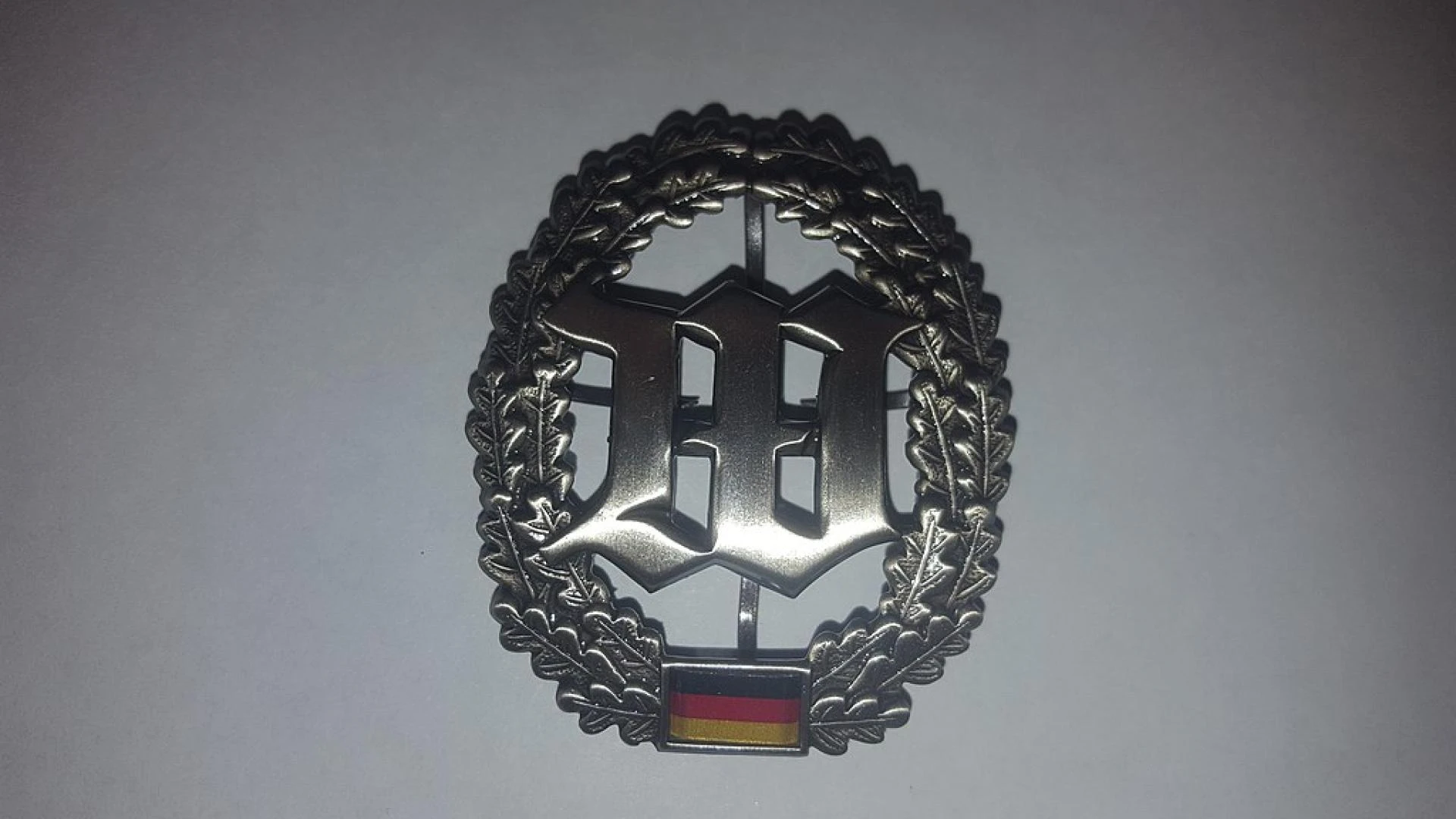
Cap badges are insignia worn on the headdress of military personnel to signify their branch, regiment, or unit. Originating in the 18th and 19th centuries, these badges serve as symbols of identity, pride, and tradition. They are typically made from metal such as brass, white metal, or anodised aluminium and often feature intricate designs, mottos, and heraldic symbols.
Each country has its tradition of badges. For example:
British Army badges often reflect regimental heritage, with symbols like lions, crowns, and sphinxes.
Canadian and Australian forces follow British traditions but with local emblems like maple leaves or kangaroos.
U.S. military cap badges (often referred to as insignia) vary by branch and include eagles, shields, and other national symbols.
Why Collect Cap Badges?
There are several compelling reasons to collect badges:
Historical Interest: Each badge tells a story of a regiment’s past, battles fought, and traditions upheld.
Aesthetic Appeal: The craftsmanship of many older badges is remarkable, combining detailed metalwork and symbolic design.
Educational Value: Badge collecting fosters an understanding of military organization, heraldry, and historical events.
Community and Connection: Many collectors find camaraderie in the hobby through clubs, forums, and fairs.
Investment Potential: Some rare or historic badges can be valuable, making them attractive to serious collectors.
Getting Started: What You Need to Know
Starting a badge collection doesn’t require a large investment or deep knowledge, but a few foundational tips will help you begin with confidence.
1. Choose a Focus
While it's tempting to collect everything, having a focus can make the hobby more rewarding. Consider specializing in:
Country (e.g., British, Canadian, German)
Branch of service (e.g., infantry, cavalry, navy, air force)
Period (e.g., World War I, World War II, modern era)
Regiment or unit (especially if you have a family or personal connection)
2. Learn Badge Anatomy
Familiarize yourself with the parts of a badge:
Crown: Often signifies allegiance to a monarch (like the King’s or Queen’s crown).
Motto: Many badges include Latin or English slogans reflecting regimental values.
Attachment: Badges may have sliders, lugs, or pins used to attach to caps.
3. Understand Originals vs. Reproductions
New collectors must learn to distinguish genuine badges from reproductions, which are common, especially online. Key tips:
Study reference books and guides to see authentic designs.
Inspect the construction: Older badges are typically heavier and may show signs of wear.
Look at the back: Many reproductions have modern fasteners or machine markings.
Building Your Collection
1. Where to Buy
Badges can be sourced from various places:
Militaria fairs and shows: Great for hands-on inspection and meeting other collectors.
Online marketplaces: eBay, Etsy, and specialist websites offer a wide range, but be cautious and research sellers.
Antique shops and auctions: Sometimes, good deals can be found.
Military surplus stores: These often carry more modern examples.
2. Storage and Preservation
Proper storage will help preserve the condition and value of your collection:
Avoid handling with bare hands to prevent oil transfer—use cotton gloves.
Store in dry, cool places to prevent corrosion.
Use acid-free materials if storing in albums or boxes.
Display cases can showcase your collection while protecting it from dust and damage.
3. Documentation
Keep a log or catalog of your collection:
Include photos, descriptions, provenance (if known), and purchase details.
This can help track your growing collection and provide information for future reference or resale.
Learning and Connecting
There’s a strong and passionate community around badge collecting. Tapping into it can significantly enrich your experience.
1. Books and Guides
Some recommended titles for beginners:
British Army Badges of the First World War by Peter Doyle and Chris Foster
Military Badge Collecting by John Gaylor
Cap Badges of the British Army 1939–45 by M.J. Kipling and H.L. King
2. Online Forums and Groups
Websites such as the British & Commonwealth Military Badge Forum, Reddit’s r/Militaria, and various Facebook groups provide spaces to ask questions, trade, and share finds.
3. Museums and Exhibits
Visiting military museums like the Imperial War Museum in London or the Canadian War Museum in Ottawa can provide context and inspiration. Many have extensive badge collections on display.
Avoiding Pitfalls
While badge collecting is enjoyable, beginners should watch out for common pitfalls:
Buying too quickly: Take your time to research and learn before making major purchases.
Overpaying: Always compare prices and seek second opinions.
Neglecting condition: Badges in poor condition (corroded, broken, missing parts) are often less desirable unless very rare.
Falling for fakes: If a deal seems too good to be true, it probably is.
The Joy of the Hunt
One of the greatest joys of collecting badges is the thrill of discovery. Whether it’s finding a rare WWII airborne badge at a flea market or tracking down the exact regiment your grandfather served in, every badge has a story to tell. Over time, your collection will not only reflect military history but your journey through it.
Conclusion
Cap badge collecting is more than a hobby—it’s a form of historical preservation and personal exploration. With patience, curiosity, and a discerning eye, anyone can begin to build a collection that is both meaningful and valuable. Whether you end up with a few prized pieces or a room full of mounted displays, the world of military badges is one worth exploring.