
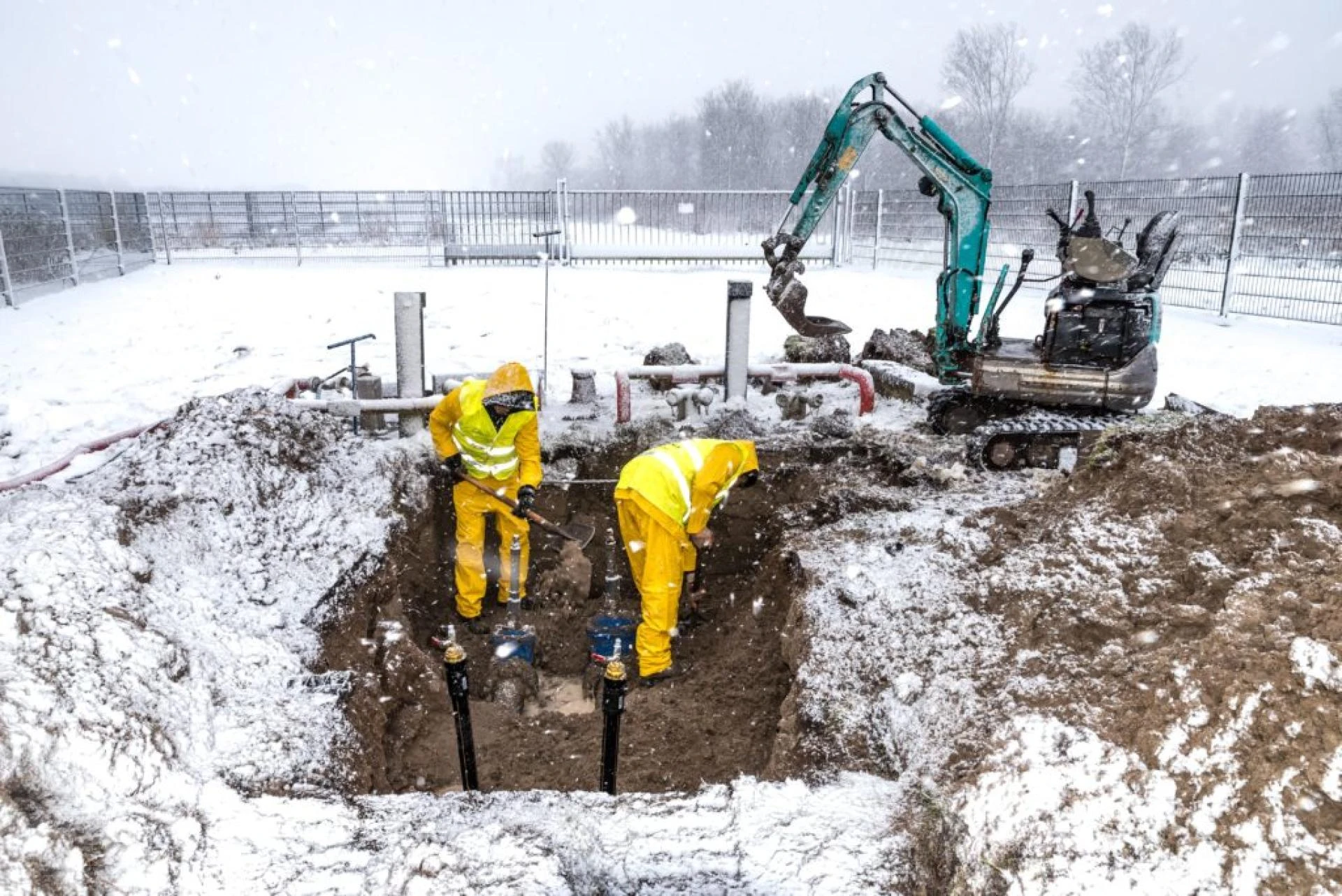
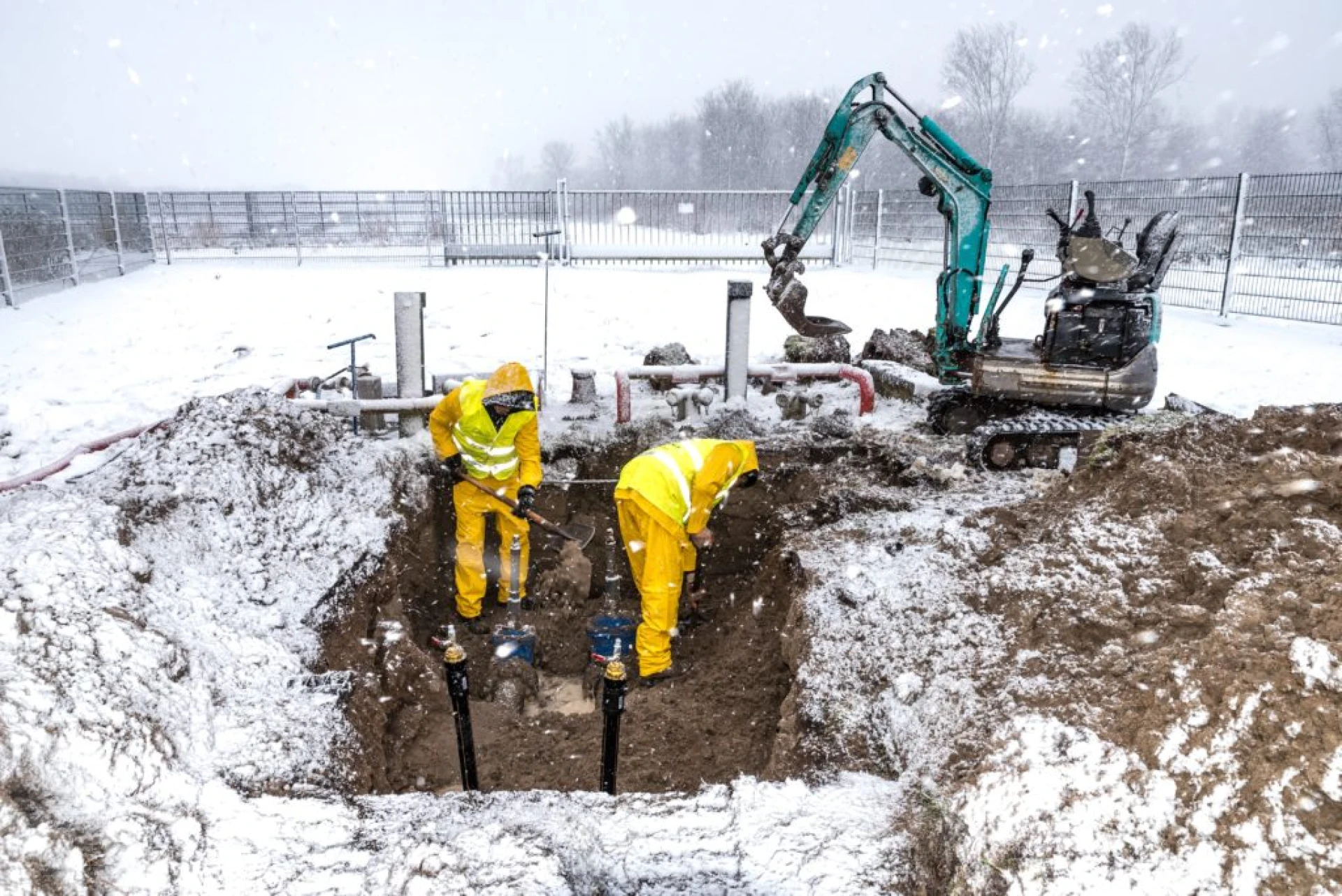
Construction work doesn’t stop when the temperature drops, but cold weather introduces a unique set of challenges that can significantly affect site safety, worker health, and project timelines. From frostbite risks to equipment malfunctions, winter conditions demand strategic planning and targeted protective measures to ensure safe and efficient operations.
Understanding Cold Weather Hazards
Cold weather can impact construction sites in several critical ways. Understanding these hazards is the first step in preparing to mitigate them.
1. Health Risks to Workers
Extended exposure to cold temperatures can lead to hypothermia, frostbite, and cold stress. Even moderately cold environments can affect the body’s ability to regulate temperature, especially when workers are physically active or wet from rain, snow, or perspiration.
Frostbite typically affects extremities such as fingers, toes, ears, and the nose, while hypothermia can be life-threatening if not addressed promptly. Symptoms include uncontrollable shivering, confusion, slurred speech, and loss of coordination.
2. Slips, Trips, and Falls
Ice, snow, and sleet dramatically increase the risk of slips and falls on construction sites. Surfaces like scaffolding, ladders, and walkways become hazardous, particularly if not cleared or treated regularly.
3. Equipment Malfunctions
Cold temperatures can affect machinery and tools, making them harder to operate or increasing the likelihood of mechanical failure. Hydraulic systems may slow down, batteries may drain more quickly, and materials like concrete or mortar may not set correctly without proper temperature management.
4. Reduced Visibility and Shorter Days
Winter months bring fewer daylight hours and weather conditions like fog, snow, and heavy cloud cover, reducing visibility. Poor visibility can lead to increased chances of accidents and miscommunication on site.
Protective Measures for Winter Construction
Proactive planning and implementation of protective measures are essential to ensure safety and maintain productivity throughout the colder months.
1. Winter Safety Training
Before winter sets in, all site personnel should receive training on the specific risks posed by cold weather. This includes recognising signs of cold-related illnesses, knowing emergency procedures, and understanding how to properly use winter gear.
Training sessions led by a CDM Consultant can help reinforce the importance of compliance with health and safety regulations and ensure all hazards are adequately addressed in the construction phase plan.
2. Proper PPE and Clothing
Workers must be equipped with appropriate cold-weather Personal Protective Equipment (PPE). This includes:
- Insulated gloves and boots with slip-resistant soles
- Thermal underlayers and moisture-wicking fabrics
- Windproof and waterproof outer layers
- Hats and face coverings to protect exposed skin
Encouraging a "layered" approach to clothing allows workers to adjust their insulation based on activity levels and weather conditions.
3. Site Management and Ground Preparation
Effective site management is crucial in cold weather:
- Ensure walkways and access points are regularly cleared of snow and treated with grit or sand to reduce slipping hazards.
- Use temporary heating solutions in enclosed workspaces or rest areas.
- Provide dry areas for workers to warm up during breaks.
- Keep lighting well-maintained and add temporary lighting to poorly lit areas.
These measures are vital for maintaining safe working conditions, especially in regions where compliance standards such as Health and Safety Kent are rigorously enforced.
4. Tool and Equipment Maintenance
Cold temperatures can degrade equipment performance. Regular inspections and maintenance schedules should be intensified during winter to ensure tools and machines function safely. For example:
- Store tools in temperature-controlled environments when possible.
- Check batteries and fluid levels frequently.
- Use cold-weather-rated lubricants and fuels.
In addition, workers should be trained on how to operate machinery safely in icy or snowy conditions.
5. Monitoring Weather and Adjusting Schedules
Weather can change rapidly in the winter, so staying updated with forecasts is crucial. Establish a protocol for delaying or suspending work during extreme conditions like snowstorms, high winds, or sub-zero temperatures.
Using real-time weather apps and planning flexible work schedules can help reduce risk without severely impacting project deadlines.
Legal Responsibilities and Compliance
Construction managers and employers have a legal duty to protect workers from foreseeable risks, including those introduced by cold weather. Compliance with the Construction (Design and Management) Regulations 2015 (CDM 2015) is essential.
Health and safety practices should be reviewed and adjusted seasonally, and risk assessments must be kept up to date. In regions like Health and Safety Hertfordshire, where local regulations may further influence site requirements, it's important to work closely with health and safety advisors to maintain full compliance.
Conclusion
Cold weather poses real hazards on construction sites, but with proper planning, awareness, and equipment, these risks can be effectively mitigated. From protecting worker health to maintaining safe and functional work environments, each step taken contributes to a safer, more productive winter construction season.
Employers must take their responsibility seriously, ensuring their teams are well-equipped, well-informed, and supported by robust safety systems. Whether you're operating in Kent, Hertfordshire, or anywhere else in the UK, proactive safety measures and expert guidance from professionals like a CDM Consultant are invaluable in navigating the challenges of cold weather construction.
Also prefer our other Blog :
https://wwwmlassoccouk.livepositively.com/heat-stress-and-hydration-management-for-outdoor-workers/