
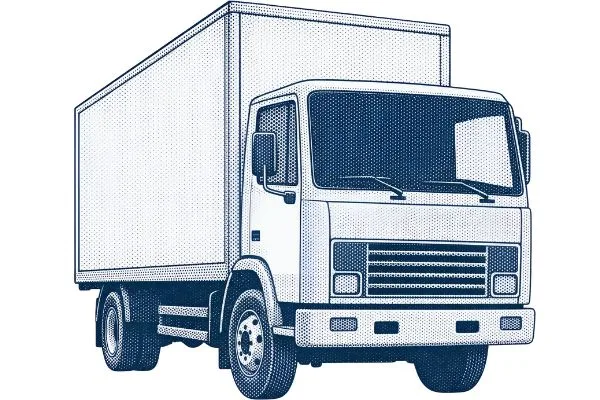
Temperature-sensitive products require more than ordinary transportation. In Singapore’s warm and humid climate, chilled food, frozen products, pharmaceuticals, seafood, dairy, and other perishables can quickly lose their required quality when exposed to unsuitable temperatures. This is where a cold truck Singapore service becomes an important part of the supply chain.
A cold truck is designed to maintain a controlled environment inside the cargo compartment throughout transportation. Depending on the goods being moved, the vehicle may be configured for chilled, frozen, or other temperature-controlled requirements.
What Is a Cold Truck?
A cold truck is a refrigerated vehicle equipped with a cooling system that helps maintain a specified temperature during delivery. Unlike a standard delivery vehicle, it is designed specifically for products that cannot safely or effectively be transported under normal ambient conditions.
Cold trucks are commonly used to transport:
- Fresh fruits and vegetables
- Meat and seafood
- Dairy products
- Frozen food
- Prepared meals
- Pharmaceuticals and healthcare products
- Temperature-sensitive ingredients
- Certain specialty and perishable products
The required temperature depends on the product. Singapore's cold-chain standards cover temperature control across transportation, storage, processing, and retail for chilled and frozen food.
Why Is Cold Truck Transportation Important in Singapore?
Singapore's tropical environment makes temperature control particularly important during logistics operations. A shipment can experience heat exposure while being loaded, transported, transferred between locations, or delivered to the customer.
An effective cold-chain operation therefore involves more than simply placing products inside a refrigerated vehicle. Temperature monitoring, suitable loading practices, route planning, equipment maintenance, and minimising unnecessary exposure are all important.
For pharmaceutical and healthcare products, Singapore's Ministry of Health states that temperature should be monitored during transportation and that records should be maintained.
Cold Truck vs Standard Delivery Truck
A conventional truck transports products at ambient conditions, while a refrigerated vehicle is designed to control the temperature of its cargo area.
A cold truck can offer several advantages when transporting temperature-sensitive goods:
Controlled Temperature
The refrigeration system helps maintain the required environment for the cargo throughout the journey.
Better Product Protection
Maintaining appropriate conditions can help reduce spoilage, quality deterioration, and temperature-related losses.
Greater Delivery Flexibility
Businesses can transport temperature-sensitive goods between warehouses, distribution centres, retailers, restaurants, healthcare facilities, and other destinations without relying solely on short-distance delivery.
Improved Cold-Chain Visibility
Modern refrigerated transport can incorporate temperature monitoring and recording systems. These records can provide useful evidence that the shipment remained within its required conditions.
What Products Can Be Transported in a Cold Truck?
The appropriate vehicle depends on the product, required temperature range, packaging, quantity, and delivery distance.
Chilled Products
Fresh produce, dairy, fresh meat, seafood, and other refrigerated products may require chilled transportation.
Frozen Products
Frozen meat, seafood, frozen meals, and other frozen goods require substantially colder conditions than ordinary chilled cargo.
Pharmaceutical Products
Some medicines and healthcare products require tightly controlled transportation. The required conditions should always be determined from the product's specific storage and transportation requirements rather than assuming that every pharmaceutical shipment uses the same temperature range.
Singapore's health authorities require appropriate transportation conditions for products requiring special storage conditions, with temperature monitoring and recording for temperature-controlled vehicles.
Key Features to Look for in a Cold Truck Singapore Service
Businesses comparing refrigerated transport providers should consider more than vehicle availability.
1. Suitable Temperature Range
The truck should be capable of maintaining the temperature required by the particular cargo.
2. Temperature Monitoring
Monitoring equipment can help track conditions during transportation and provide records for quality-control purposes.
3. Pre-Cooling
The cargo compartment should be prepared appropriately before temperature-sensitive goods are loaded. This helps prevent products from entering a warm vehicle at the beginning of their journey.
4. Proper Loading
Cargo should be arranged to support appropriate airflow and avoid unnecessarily blocking refrigeration outlets.
5. Clean and Well-Maintained Equipment
The cargo area should be maintained in a suitable condition, particularly when transporting food or healthcare products.
6. Efficient Route Planning
Long delays, unnecessary stops, and extended loading or unloading periods can create additional temperature-control challenges.
How Does a Cold Truck Support the Cold Chain?
Cold-chain logistics is an end-to-end process. Refrigerated transportation is only one part of it.
A typical journey may involve:
Supplier → Pre-cooling → Cold storage → Cold truck → Distribution centre → Retailer or customer
Every transition matters. If goods are properly refrigerated in storage but left outside for an extended period during loading, the overall cold chain can still be affected.
Singapore's SS 668 cold-chain framework considers transportation alongside processing, packaging, storage, and retail, highlighting the importance of maintaining temperature control across multiple stages.
How to Choose the Right Cold Truck for Your Business
Before arranging a cold truck Singapore service, businesses should identify several requirements.
Product type: Determine whether the shipment is chilled, frozen, pharmaceutical, or another temperature-sensitive category.
Temperature requirement: Establish the exact acceptable temperature range for the goods.
Shipment volume: Consider pallet count, carton quantity, dimensions, and total weight.
Delivery schedule: Same-day, scheduled, urgent, and multi-drop deliveries may require different logistics arrangements.
Monitoring requirements: Ask whether temperature data can be monitored and recorded throughout transportation.
Loading and unloading: Consider how quickly the cargo can move between controlled environments and the vehicle.
Delivery locations: Islandwide distribution, warehouse transfers, retail deliveries, and last-mile fulfilment may require different vehicle configurations.
Why Temperature Monitoring Matters
Temperature monitoring is an important part of cold-chain transportation because the condition of the cargo cannot always be judged visually.
A shipment may appear normal while having experienced unsuitable temperatures during transportation. Monitoring equipment provides a more objective record of the conditions encountered during the journey.
For pharmaceutical products, Singapore's regulatory guidance specifically highlights temperature monitoring and the retention of temperature records.
Cold Truck Transportation for Singapore Businesses
From food distributors and restaurants to pharmaceutical suppliers and manufacturers, many businesses rely on temperature-controlled transportation to move products safely between locations.
A suitable refrigerated truck service can support warehouse transfers, distribution, retail replenishment, food-service deliveries, airport or seaport movements, and last-mile delivery.
The key is to select transportation based on the cargo's actual requirements rather than simply choosing the largest or coldest vehicle available.
Final Thoughts
A cold truck Singapore service plays an important role in protecting temperature-sensitive products throughout transportation. The right vehicle, monitoring system, loading process, route, and handling practices can help businesses maintain product quality and support a more reliable cold chain.
When selecting a provider, look beyond the truck itself. Consider temperature capability, monitoring, maintenance, handling procedures, delivery schedules, and experience with the type of goods being transported. A well-managed temperature-controlled transport process can help reduce avoidable losses while keeping sensitive cargo moving efficiently.