
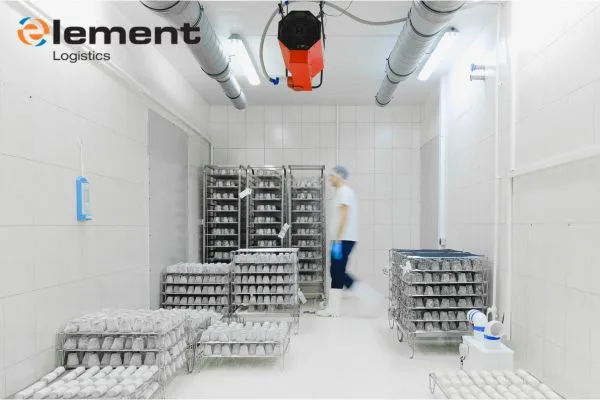
Singapore’s food, healthcare, pharmaceutical, and retail industries depend heavily on efficient temperature-controlled logistics. From fresh produce and frozen foods to vaccines and sensitive medical products, many goods must remain within a specific temperature range throughout the delivery process. This makes cold chain transportation Singapore an essential part of modern supply chain operations.
A reliable cold chain system helps businesses protect product quality, reduce spoilage, maintain compliance, and deliver temperature-sensitive goods safely. With the right logistics partner, companies can achieve greater consistency and improve customer satisfaction.
What Is Cold Chain Transportation?
Cold chain transportation refers to the movement of temperature-sensitive products through a controlled environment. Refrigerated vehicles, insulated storage systems, temperature-monitoring technology, and trained logistics professionals work together to maintain the required conditions during transit.
Depending on the product, deliveries may require chilled, frozen, or specialised temperature settings. The temperature must remain stable from collection to final delivery to prevent quality loss or product damage.
In Singapore, temperature-controlled transport supports a wide range of industries, including:
Food and beverage
Pharmaceuticals
Healthcare and medical supplies
Biotechnology
Grocery and retail distribution
Catering and hospitality
Frozen and chilled product suppliers
Why Temperature Control Is Important
Many products can lose their quality when exposed to unsuitable temperatures. Fresh food may spoil, frozen products may partially thaw, and pharmaceutical items may become less effective if storage requirements are not maintained.
Professional cold chain transportation Singapore services help reduce these risks by using properly maintained refrigerated vehicles and reliable temperature-control systems. Consistent monitoring also allows logistics teams to identify potential issues before they affect the shipment.
Maintaining the correct environment can support:
Better product freshness
Longer shelf life
Reduced product wastage
Improved food safety
Protection of sensitive medical products
Greater customer confidence
The Role of Refrigerated Vehicles
Refrigerated trucks are an important component of temperature-controlled logistics. These vehicles are designed to maintain suitable conditions while products are transported across Singapore.
Different goods require different temperature ranges. Chilled products may need cool storage, while frozen items require much lower temperatures. A suitable logistics provider should have vehicles that can support the specific requirements of each shipment.
Modern refrigerated transport may also include digital monitoring systems that record temperature data throughout the journey. This provides greater visibility and helps businesses maintain quality standards.
Supporting Singapore’s Food Supply Chain
Singapore imports a significant amount of its food, making reliable logistics essential for maintaining freshness and product quality. Cold chain services support the transportation of seafood, meat, dairy products, fruits, vegetables, ready-to-eat meals, and frozen goods.
Efficient delivery planning helps businesses move products from warehouses and distribution centres to supermarkets, restaurants, retailers, and customers. Proper handling during loading, transportation, and unloading is equally important because temperature exposure can occur at multiple stages.
By using dependable temperature-controlled transport, food businesses can improve inventory management and reduce losses caused by spoilage.
Cold Chain Logistics for Pharmaceutical Products
Pharmaceutical and healthcare products often have strict storage and transportation requirements. Vaccines, medicines, laboratory materials, and other medical supplies may require stable temperature conditions to maintain their quality.
A specialised logistics provider understands the importance of careful handling, accurate documentation, and continuous monitoring. Reliable cold chain operations can help healthcare businesses reduce supply chain risks and maintain the integrity of sensitive products.
For pharmaceutical companies, choosing an experienced transport partner can also support operational efficiency and regulatory compliance.
Benefits of Professional Cold Chain Transportation
Working with an experienced temperature-controlled logistics provider offers several advantages. Businesses can access specialised vehicles and trained professionals without managing the entire transport infrastructure internally.
Key benefits include:
1. Consistent Temperature Management
Refrigerated transport systems help maintain suitable conditions throughout the delivery journey. This reduces the possibility of temperature fluctuations that may affect product quality.
2. Lower Risk of Product Loss
Proper cold chain handling can reduce spoilage, damage, and unnecessary waste. This may help businesses improve cost efficiency over time.
3. Reliable Delivery Operations
Professional logistics companies use organised delivery schedules and route planning to support timely transportation across Singapore.
4. Improved Supply Chain Visibility
Temperature monitoring and delivery tracking can provide businesses with useful information about the movement and condition of their goods.
5. Flexible Logistics Solutions
Some providers offer customised transport services based on product type, delivery volume, temperature requirements, and business schedules.
Choosing the Right Cold Chain Transport Partner
When selecting a provider for cold chain transportation Singapore, businesses should consider more than vehicle availability. The logistics company should understand the specific needs of the products being transported.
Important factors include:
Availability of well-maintained refrigerated vehicles
Suitable chilled and frozen transport options
Temperature-monitoring capabilities
Experience in the relevant industry
Reliable delivery scheduling
Trained handling teams
Flexible service arrangements
Clear communication and operational support
A provider with strong logistics experience can help businesses manage complex delivery requirements more effectively.
The Future of Temperature-Controlled Logistics
Technology continues to improve the efficiency of cold chain operations. Digital temperature sensors, real-time tracking, automated reporting, and data-based route planning are helping logistics providers achieve greater visibility and control.
As Singapore’s demand for fresh food, online grocery services, healthcare products, and specialised deliveries continues to grow, the importance of reliable cold chain infrastructure is expected to increase.
Businesses that invest in dependable temperature-controlled logistics can improve product protection while creating a more responsive and efficient supply chain.
Conclusion
Cold chain transportation Singapore plays a vital role in protecting temperature-sensitive products across food, healthcare, pharmaceutical, retail, and other industries. Reliable refrigerated vehicles, accurate monitoring, proper handling, and efficient delivery planning all contribute to maintaining product quality during transit.
By choosing a trusted temperature-controlled logistics partner, businesses can reduce product losses, improve operational performance, and deliver chilled or frozen goods with greater confidence. A well-managed cold chain is not only important for product safety but also for building long-term customer trust and supporting sustainable business growth.