
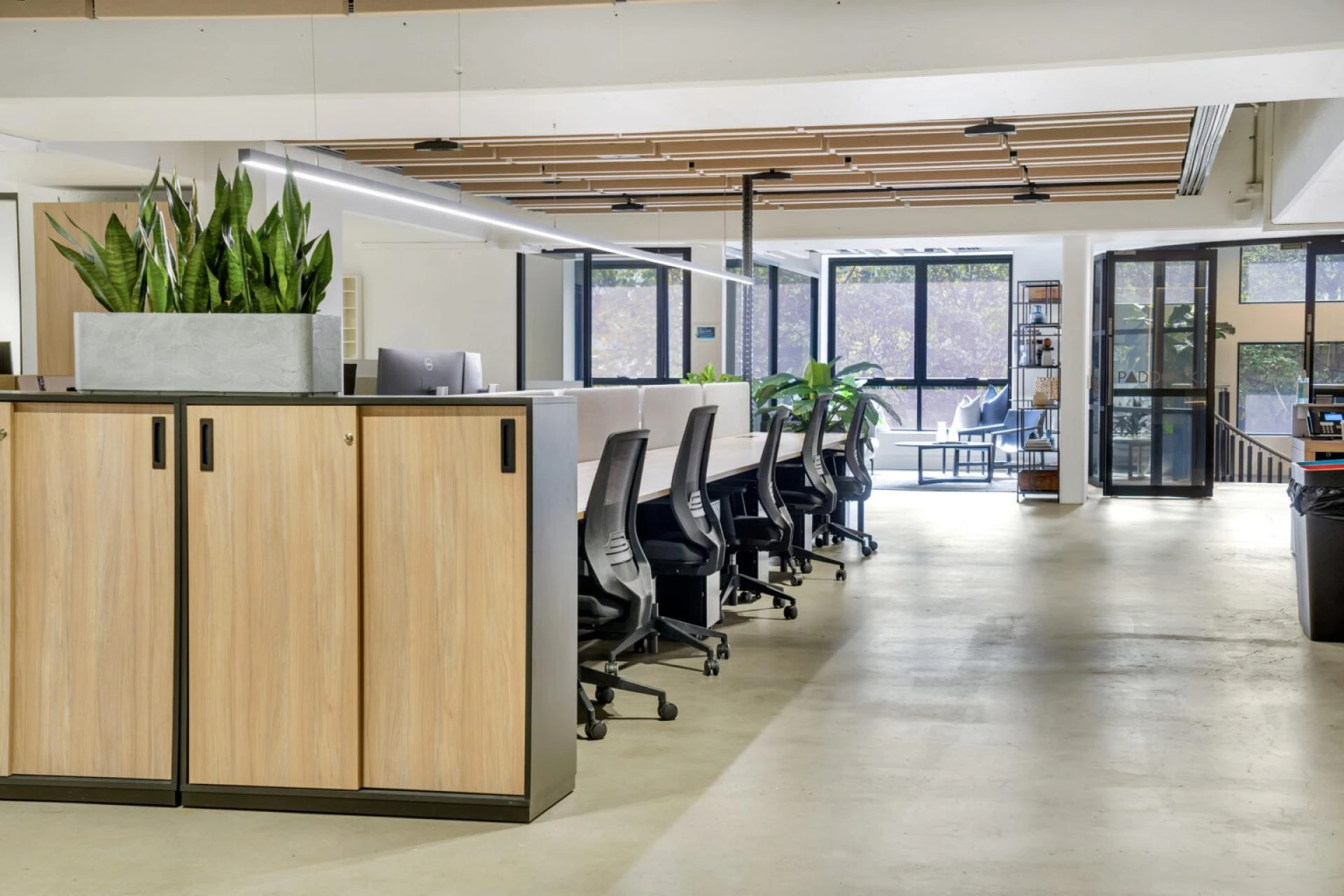
The way we work has changed permanently. Whether you’re a freelancer, remote team, or scaling startup, traditional office leases no longer fit the bill. Enter co-working space and flexible office solutions: two terms that are reshaping the modern workplace.
Below, we answer the most common questions people are asking about these spaces
1. What is a Co-Working Space?
A co-working space is a shared work environment where individuals and businesses can rent desks or offices on flexible terms. These spaces come with amenities like internet, meeting rooms, kitchen areas, and printing minus the long-term leases.
2. How Do Co-Working Spaces Work?
You sign up for a membership or pay-per-use access. Members can drop in for a day, rent a dedicated desk, or secure a private office. Most spaces include admin support, meeting rooms, mail handling, and community events.
3. Who Uses Co-Working Spaces?
They’re used by freelancers, startups, digital nomads, remote workers, creatives, consultants, and even larger companies seeking satellite offices or project hubs.
4. Why Co-Working?
Because it’s flexible, affordable, and social. Co-working offers the professionalism of an office, without the cost or hassle of managing one. You get to work alongside other motivated people—without watercooler politics.
5. Do Co-Working Spaces Actually Work?
Yes. Many workers report improved productivity, better work-life balance, and less isolation. Businesses benefit from low overheads and the ability to scale space up or down as needed.
6. Why Are Co-Working Spaces Important?
They make professional space accessible. Whether you’re just starting out or downsizing, co-working allows you to operate in prime locations without huge commitments, helping businesses grow sustainably.
7. Can Co-Working Spaces Be Profitable?
For both operators and users, yes. Businesses save on utilities, maintenance, and long-term leases. Operators generate revenue through memberships, office rentals, virtual services, and meeting room hire.
8. What Is Flexible Office Space?
Flexible office solutions refer to workspaces that adapt to your needs. You might rent by the day, week, or month with options ranging from hot desks to private suites. It’s office space that flexes with your business.
9. What Is Shared Office Space?
Shared office space means you’re working in a communal environment with others. It’s more structured than a café, but more relaxed than a traditional office. Think desks, lounges, and meeting rooms all shared and professionally managed.
10. How Does Shared Office Space Work?
Just like a gym membership. You choose your access level casual, part-time, full-time, or private and pay accordingly. All amenities are provided, and you can focus solely on your work.
11. What Is Virtual Office Space?
A virtual office gives you a professional business address and mail handling, without renting physical space. Great for online businesses or freelancers wanting a credible presence.
12. What Is a Serviced Office?
A serviced office is a ready-to-move-in space with all facilities included: desks, internet, reception, cleaning, utilities. It’s perfect for teams who want their own space, without handling the logistics of office management.
13. Why Co-Working Spaces Are the Future of Work
They combine the best of both worlds: structure and flexibility. As remote and hybrid work models dominate, co-working provides scalable, professional environments that allow businesses to adapt quickly.
14. How Does Office Space Impact Well-Being?
Huge. Natural light, comfortable seating, noise control, greenery, and social interaction all improve mental health and productivity. Co-working spaces often prioritise these design features to create healthier work environments.
15. How Do I Choose the Right Office Space?
Here’s a quick checklist:
- What’s your budget?
- Do you need flexibility?
- Are you hosting clients?
- What amenities are essential?
- Does the vibe match your brand?
Once you’ve nailed this down, start touring local options.
Is Co-Working Right for You?
If you value flexibility, convenience, and a modern work environment, the answer is likely yes. Co-working spaces and flexible office solutions aren’t just trends, they’re smart business moves that reflect how we work today.
Whether you’re scaling a business, freelancing full-time, or just looking for a better way to work, the right workspace can make all the difference.