In today’s precision-driven manufacturing world, flatness is not just a quality feature — it’s a process requirement. Even minor material distortion can disrupt bending accuracy, robotic welding, laser cutting, and final assembly. That’s why leveling technology has become a critical step in modern production lines.
When sheet metal leaves the cutting stage, internal stresses often remain hidden within the material. These stresses can cause parts to warp, twist, or behave unpredictably during downstream operations. CNC leveling technology eliminates these risks before they turn into costly production issues.
The Evolution of Leveling in Manufacturing
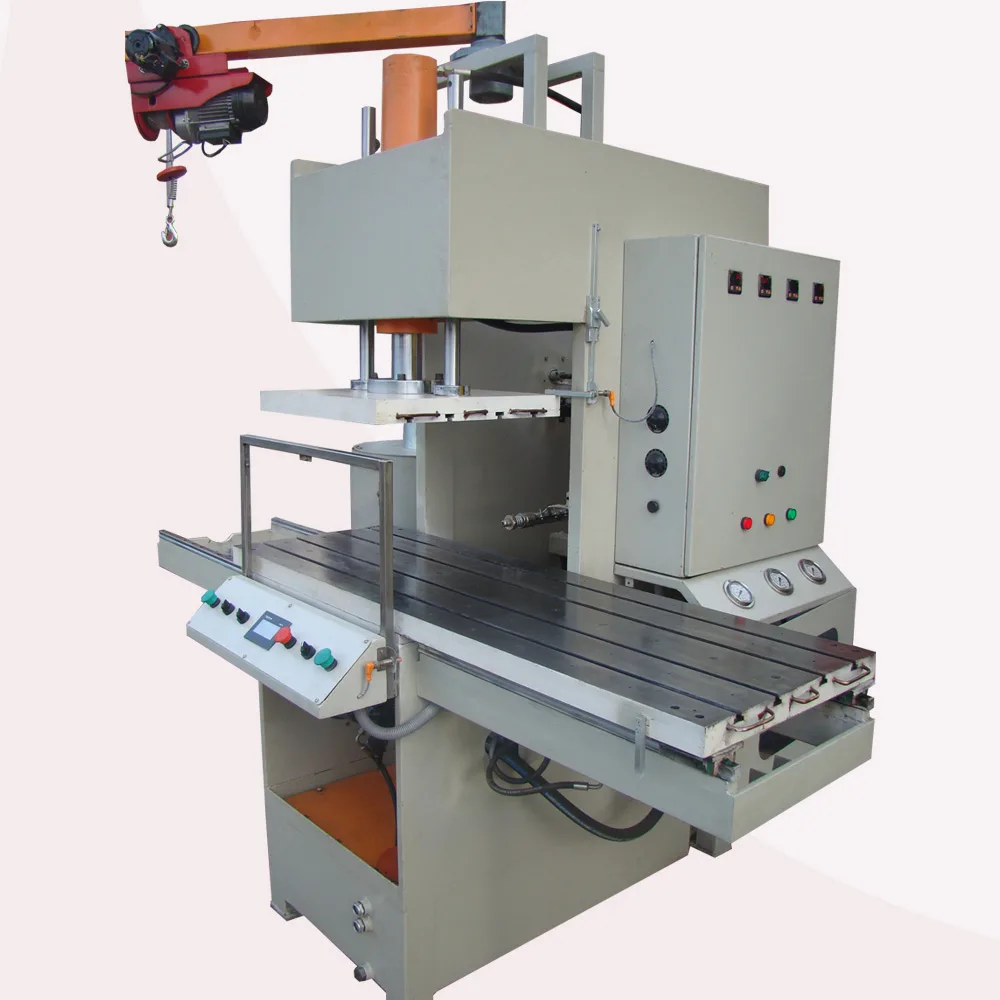
Traditional straightening methods once relied heavily on operator skill. While a Manual Leveling Machine can still be effective for smaller workshops or less complex parts, modern production environments demand higher precision, repeatability, and speed.
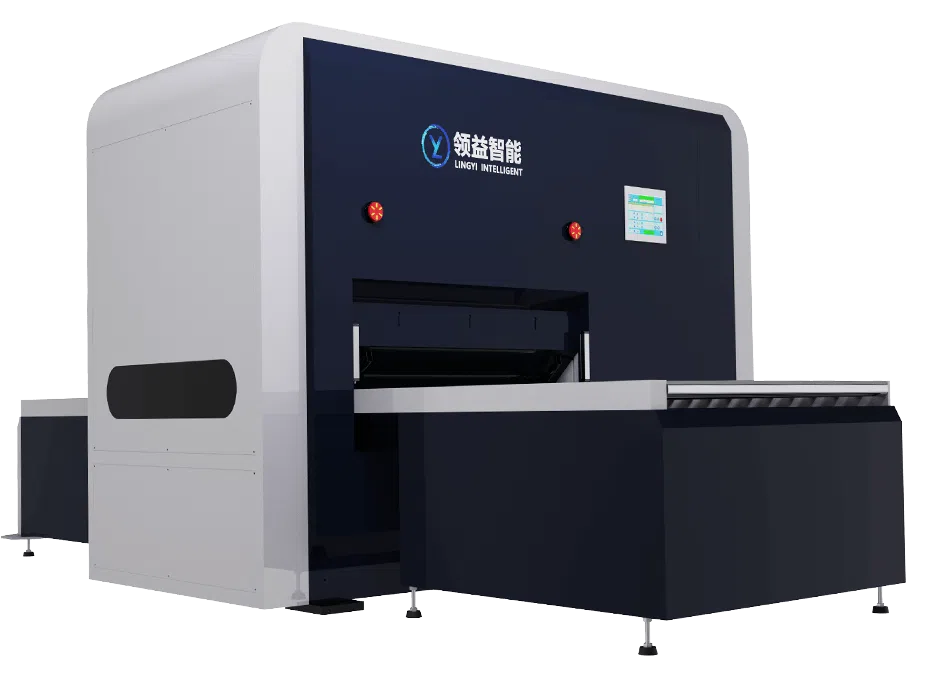
This is where the CNC Leveling Machine makes a measurable difference.
Unlike manual systems, CNC-controlled equipment:
- Automatically adjusts roller pressure and positioning
- Stores programmable recipes for different materials
- Ensures consistent flatness across large production batches
- Reduces operator dependency
- Improves repeatability and traceability
By integrating smart controls and automation, manufacturers gain stability not only in part geometry but also in overall workflow performance.
Why Flatness Directly Impacts Process Stability
Unleveled or poorly leveled material can lead to:
- Inconsistent bending angles
- Welding misalignment
- Poor coating adhesion
- Assembly complications
- Increased scrap rates
CNC leveling redistributes internal stress throughout the sheet, restoring structural balance. The result is material that behaves predictably in every downstream process.
Choosing the Right Partner Matters
As demand for precision increases, many leveling machine manufacturers are investing in advanced roller designs, intelligent control systems, and durable machine frames to meet modern industry standards. Selecting the right technology partner ensures long-term performance, minimal downtime, and reliable technical support.
The Bigger Picture: Stability Equals Productivity
Perfect flatness isn’t just about aesthetics — it’s about creating a stable foundation for automation and precision manufacturing. When material quality is consistent, everything else runs smoother:
- Machines require fewer adjustments
- Operators spend less time correcting errors
- Production schedules stay on track
- Quality metrics improve
CNC leveling technology ultimately transforms unpredictability into control — and in modern manufacturing, control is the key to sustainable growth.
Experience precision without compromise with Imachine CNC Leveling Solutions.