
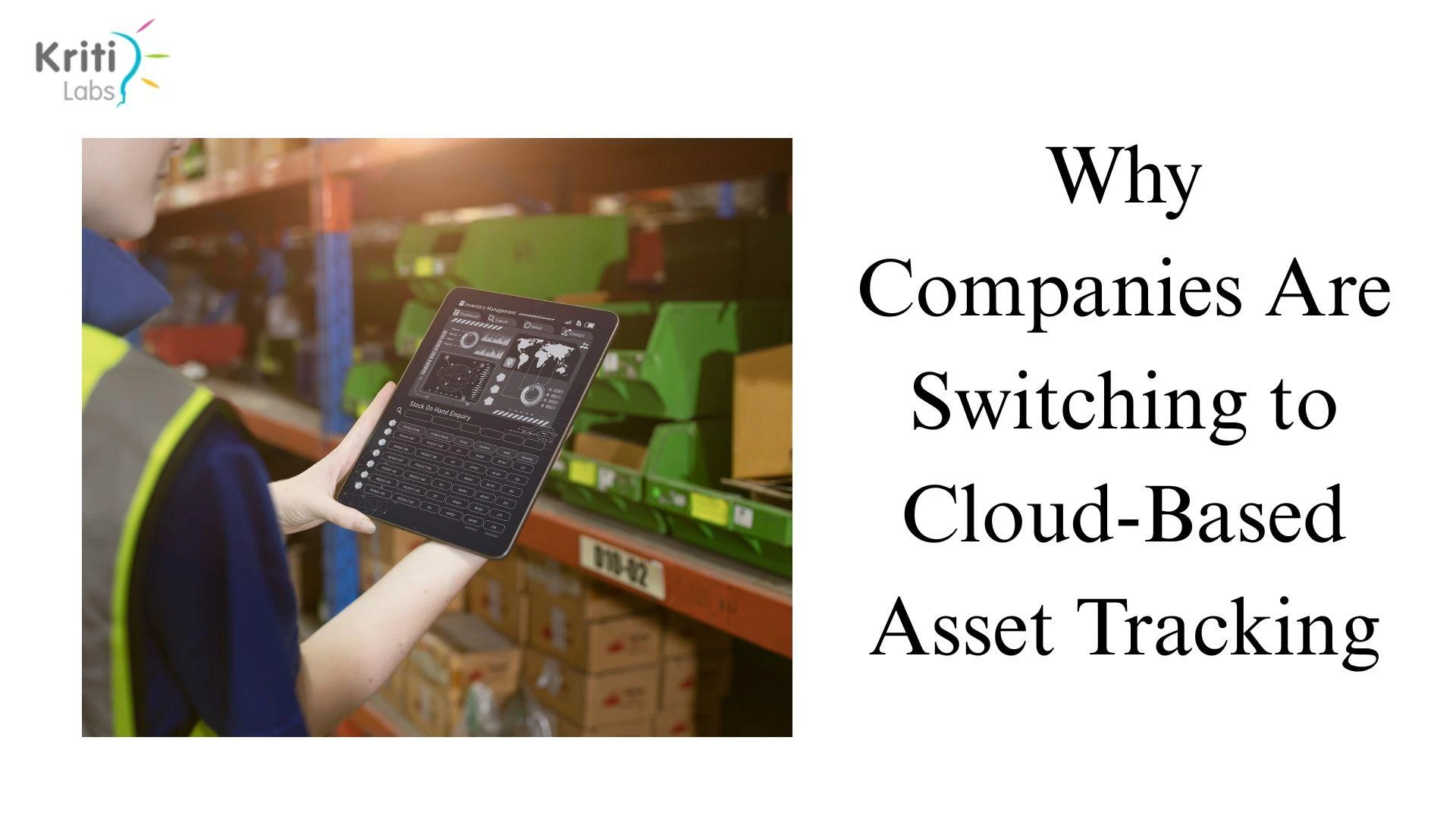
In today’s fast-paced business environment, efficiency, accuracy, and real-time visibility are essential for managing valuable assets. Traditional tracking methods, such as spreadsheets or manual logs, are no longer enough to meet modern demands. This has led many organizations to adopt a cloud-based asset tracking system, which offers a smarter, more scalable way to monitor and manage assets across multiple locations.
Cloud solutions not only enhance productivity but also provide better control, improved decision-making, and long-term cost savings. Let’s explore why more companies are making the switch.
1. Real-Time Visibility Across Multiple Locations
One of the biggest advantages of a cloud-based asset tracking system is its ability to provide real-time visibility. Unlike manual methods or on-premise systems, cloud platforms allow managers to see the exact location and status of assets instantly.
- Example: A logistics company with warehouses in different cities can track equipment, vehicles, or inventory all from a single dashboard.
- Benefit: Reduces the risk of lost or misplaced assets, improving overall accountability.
2. Improved Accuracy and Reduced Human Error
Manual asset tracking often results in mistakes, duplication, or outdated information. With cloud technology, every update is stored instantly and accurately.
- Automated data entry reduces human error.
- Centralized records eliminate conflicting reports.
- Built-in alerts notify teams of overdue maintenance or misplaced assets.
This ensures organizations can trust their data, leading to smarter business decisions.
3. Scalability and Flexibility for Growing Businesses
Companies that expand operations often struggle with asset management across new locations. Cloud-based systems are highly scalable, meaning you can add more users, assets, or sites without major infrastructure costs.
- For small businesses: Start with basic asset tracking features.
- For large enterprises: Expand to advanced features like GPS tracking, predictive analytics, and integration with ERP systems.
This flexibility makes cloud solutions future-proof investments.
4. Enhanced Security and Data Protection
Data security is a top concern for businesses handling valuable assets. Cloud-based providers use advanced encryption, role-based access controls, and regular security updates to keep sensitive information safe.
- Secure backups: Protect against data loss from system failures or disasters.
- Access controls: Ensure only authorized personnel can view or edit asset records.
- Compliance support: Helps organizations meet industry standards and regulations.
By storing asset data in the cloud, businesses minimize the risks associated with local storage or physical records.
5. Cost-Effectiveness and Higher ROI
Switching to a cloud-based asset tracking system reduces both short-term and long-term costs:
- No expensive hardware installations.
- Lower IT maintenance expenses.
- Subscription-based models allow predictable budgeting.
In addition, improved asset utilization, reduced downtime, and fewer replacements directly increase return on investment (ROI).
6. Integration With Other Business Tools
Cloud-based platforms can integrate seamlessly with other software tools, such as accounting systems, inventory management solutions, and customer relationship management (CRM) platforms.
- Example: Maintenance alerts can be linked with scheduling software.
- Benefit: Provides a holistic view of business operations, streamlining workflows.
This interconnectivity ensures businesses operate more efficiently across departments.
7. Remote Access for Distributed Teams
In an era of remote work and global teams, cloud technology ensures accessibility from anywhere. Employees can log in via desktop or mobile devices, updating or retrieving asset data on the go.
- Field workers can update asset status in real time.
- Managers can approve requests or generate reports while offsite.
This mobility creates a seamless flow of information and reduces delays.
8. Predictive Maintenance and Lifecycle Management
Modern cloud platforms do more than just track assets—they help manage their lifecycle. Using analytics and IoT integrations, they provide insights into maintenance schedules and performance patterns.
- Predictive alerts notify teams before breakdowns occur.
- Lifecycle tracking helps businesses plan replacements or upgrades efficiently.
This proactive approach prevents downtime and extends the life of critical assets.
As organizations grow and operations become more complex, traditional asset management systems no longer meet the demand for efficiency and transparency. A cloud-based asset tracking system offers real-time visibility, enhanced security, and scalable solutions that support both small businesses and large enterprises. By adopting cloud technology, companies reduce costs, improve productivity, and gain a competitive edge in today’s digital landscape.