Gaps between teeth, also known as diastemas, are a common dental concern for both children and adults. While some people embrace these natural spaces as part of their unique smile, others feel self-conscious or worry about the long-term health implications of misalignment.
With modern orthodontics, closing dental gaps is more achievable than ever. One of the most popular treatment options is Invisalign—clear aligners designed to move teeth gradually into more desirable positions. But can Invisalign really help close gaps, and is it the right choice for you?
This article explores the causes of gaps, how Invisalign works, the effectiveness of aligners in closing spaces, and what to expect throughout treatment.
Why Do Gaps Between Teeth Happen?
There are many reasons why noticeable gaps may appear in the smile:
- Jaw-to-Teeth Size Imbalance: If the jaw is larger than the size of the teeth, spaces can appear between them.
- Natural Tooth Size Differences: Some people naturally have smaller teeth that don’t fill the arch fully, leaving extra space.
- Frenum Positioning: An oversized labial frenum (the small tissue connecting the upper lip to the gum) can prevent the two front teeth from meeting.
- Childhood Habits: Thumb sucking or tongue thrusting can push teeth apart during development.
- Tooth Loss: Missing teeth allow surrounding teeth to shift, creating gaps.
- Gum or Bone Issues: Periodontal disease can lead to bone loss, which may result in shifting and spaces.
Understanding the cause is important—because the right solution depends on whether the gaps are caused by tooth alignment, jaw structure, or underlying health conditions.
How Invisalign Works
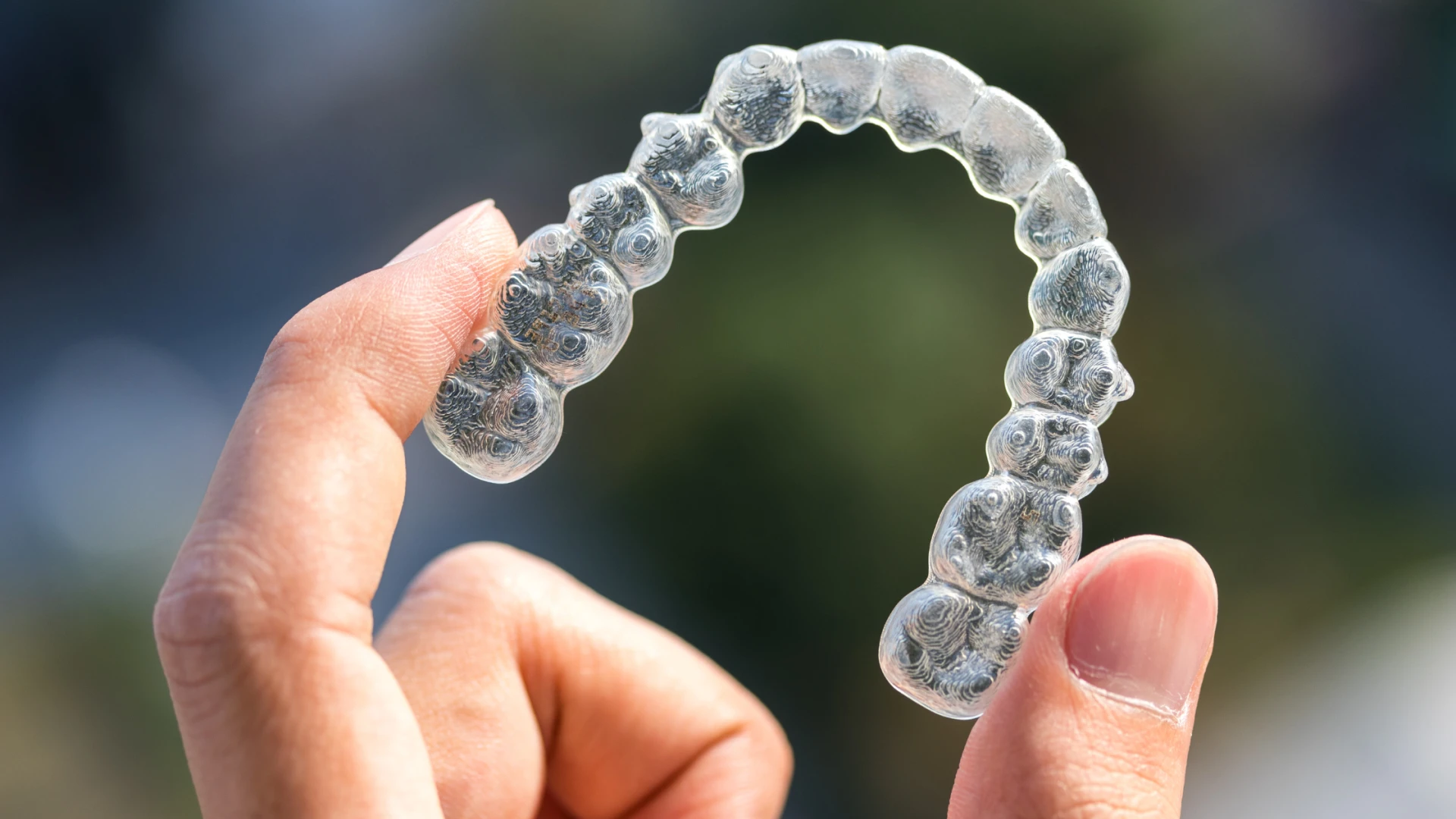
Invisalign is an orthodontic system that uses clear, removable aligners to move teeth into better alignment. Unlike traditional braces, there are no brackets or wires. Instead, patients wear a series of trays, each slightly adjusted to push teeth closer together.
The process generally includes:
- Initial Consultation – Digital scans or impressions of your teeth are taken.
- Custom Treatment Plan – A 3D model is created to map out tooth movements, including how gaps will close over time.
- Aligner Series – Patients receive a set of aligners, each worn for 1–2 weeks before switching to the next.
- Check-Ups – Periodic appointments (virtual or in-office) ensure progress is on track.
- Retention Phase – After gaps close, retainers are used to keep teeth in their new positions.
Aligners should be worn 20–22 hours per day for maximum effectiveness, only removed for meals and oral hygiene.
Can Invisalign Close Gaps Between Teeth?
The short answer: Yes, Invisalign is very effective at closing gaps—especially small to moderate ones.
Best Cases for Invisalign Gap Closure
- Front tooth gaps (diastema between upper incisors).
- Multiple small gaps are spread across the upper or lower arch.
- Relapse gaps after braces due to not wearing retainers.
- Gaps caused by minor spacing rather than severe skeletal issues.
When Invisalign Alone May Not Be Enough
- Very large gaps may require longer treatment or combined dental work, such as bonding or veneers.
- Missing teeth often need replacement with implants or bridges alongside orthodontics.
- Jaw bone discrepancies might need braces or surgical expansion in addition to aligners.
For most patients with mild to moderate spacing, however, Invisalign provides predictable, safe, and discreet results.
Benefits of Using Invisalign for Gaps
- Discreet Appearance: Clear aligners are nearly invisible, making them a great choice for adults and teens.
- Removable Convenience: Patients can eat, brush, and floss without restrictions, unlike with braces.
- Comfort: Smooth plastic aligners don’t irritate gums or cheeks the way brackets sometimes do.
- Digital Treatment Preview: Patients can often see a digital simulation of how their smile will look once gaps are closed.
- Gradual but Steady Results:Teeth move in small, controlled increments, reducing discomfort and improving precision.
Treatment Timeline
The length of treatment depends on the size and number of gaps:
- Small gaps – Some may close in as little as 3–6 months.
- Moderate spacing – Average treatment lasts 9–18 months.
- Complex spacing or multiple issues – May take 18–24 months, sometimes longer.
Patience and compliance are key. Wearing aligners as instructed ensures progress stays on track.
The Importance of Retainers After Closing Gaps
Even after Invisalign treatment, teeth naturally shift over time. Retainers are critical to keeping gaps from reopening.
- Removable retainers – Clear trays worn at night help maintain alignment.
- Fixed retainers – A thin wire bonded behind the teeth provides continuous support.
Most orthodontists recommend long-term or lifetime retainer use for best results.
Living With Invisalign During Gap Treatment
Patients often wonder what daily life is like with aligners. Here are common experiences:
- Speech – A slight lisp may occur at first, but usually resolves in a few days.
- Eating – Aligners must be removed for meals, but this allows freedom from food restrictions.
- Cleaning – Aligners should be rinsed and brushed daily to stay clear and odor-free.
- Discomfort – Mild pressure or soreness when switching to a new tray is normal and temporary.
Most patients adjust quickly and find aligners much easier to manage than they expect.
Who Is the Ideal Candidate?
You may be a good candidate for Invisalign gap treatment if you:
- Have healthy gums and no active gum disease.
- Are committed to wearing aligners for the recommended hours.
- Have mild to moderate gaps without severe jaw misalignment.
- Want a discreet, comfortable treatment method.
If you’re unsure, a consultation with an orthodontic provider can help determine the right plan.
Final Thoughts
Gaps between teeth are common and, for many, a source of self-consciousness. Fortunately, modern orthodontics makes closing these spaces more accessible than ever. Invisalign offers an effective, nearly invisible, and comfortable solution for many patients with spacing issues.
By wearing aligners consistently, following a custom treatment plan, and committing to long-term retainer use, it’s possible to achieve a more even, confident smile.
If you’re considering whether invisalign space between teeth is right for you, a professional consultation is the best next step. With the right plan, you can move closer to a smile that feels both healthy and harmonious.