
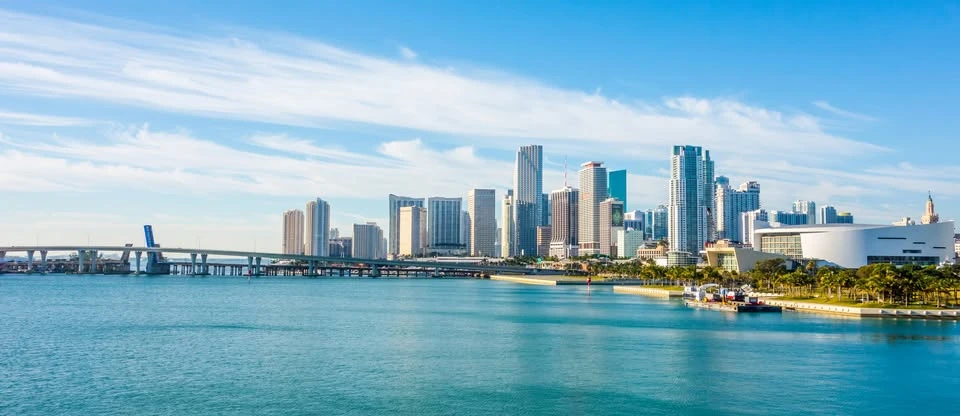
Miami is famous for its sunshine, beaches, and vibrant culture—but it’s also no stranger to heavy rains. From sudden summer downpours to the intense storms of hurricane season, the city experiences frequent and sometimes severe rainfall. To handle this, Miami relies on an extensive network of storm drains designed to channel rainwater away from streets and neighborhoods.
When these drains become clogged, however, the consequences can be serious. Clogged storm drains contribute to street flooding, property damage, traffic hazards, and even environmental problems. For residents and businesses in Miami, understanding why storm drains clog, how to prevent it, and what to do if it happens can make a big difference during the next rainstorm.
Why Storm Drains Are Critical in Miami
Storm drains are designed to prevent flooding by collecting rainwater from streets, parking lots, and other paved areas, and then channeling it to local waterways or stormwater treatment systems. In a flat, low-lying city like Miami—where the water table is already high—storm drains play a crucial role in preventing standing water from overwhelming roads and properties.
Unlike sanitary sewers, storm drains don’t carry wastewater to treatment plants. Instead, they lead directly into natural waterways such as canals, rivers, or Biscayne Bay. This means that when they get clogged, not only does water back up onto streets, but pollutants and debris can also enter fragile ecosystems.
Common Causes of Clogged Storm Drains in Miami
There are several reasons why storm drains in Miami become clogged, many of which are made worse by the city’s unique environment.
1. Yard Waste and Landscaping Debris
Miami’s lush greenery is beautiful but produces a lot of organic waste. Grass clippings, palm fronds, leaves, and mulch often get washed into storm drains, where they accumulate and block water flow.
2. Trash and Litter
Plastic bottles, food wrappers, bags, and other litter commonly end up in the street. During rainstorms, these items are swept into storm drains, causing blockages.
3. Construction Runoff
With Miami’s rapid growth and development, construction sites generate dirt, sand, and debris. If not properly contained, these materials can wash into drains, clogging them.
4. Oil and Grease
Drippings from vehicles and businesses can coat the inside of storm drain pipes, catching debris and making clogs more likely.
5. Tree Roots
In some cases, invasive tree roots find their way into stormwater pipes underground, restricting flow and causing backups.
6. Heavy Rainfall Overwhelming the System
Even when drains are clear, Miami’s intense storms can overwhelm the system, leading to backups that mimic clogs. But if drains are already partially blocked, the problem becomes much worse.
Risks of Clogged Storm Drains
A clogged storm drain isn’t just an inconvenience—it can have wide-reaching consequences for homes, businesses, and the environment.
- Street Flooding: Miami already struggles with flooding during king tides and heavy rains. Blocked drains worsen standing water, creating dangerous conditions for drivers and pedestrians.
- Property Damage: Water that can’t drain properly can seep into yards, basements, and even ground-level structures, leading to costly repairs.
- Traffic Hazards: Flooded intersections and roadways increase the risk of accidents, especially when drivers underestimate water depth.
- Health Concerns: Standing water becomes a breeding ground for mosquitoes and can contain bacteria or pollutants harmful to humans.
- Environmental Impact: Pollutants trapped in storm drains eventually flow into Biscayne Bay and other waterways, damaging marine life and coral reefs.
Who Is Responsible for Storm Drain Maintenance in Miami?
In most cases, Miami-Dade County and local municipalities are responsible for maintaining public storm drains. They regularly inspect and clean drains to prevent clogs, but with thousands of drains across the city, it’s not always possible to keep up—especially during storm season.
For private properties such as shopping centers, condos, and gated communities, the responsibility falls on property managers or owners to maintain on-site stormwater systems. Failing to do so can result in flooding and potential fines.
How to Prevent Clogged Storm Drains
While residents can’t control every factor, there are proactive steps individuals and businesses in Miami can take to reduce storm drain clogs:
- Properly Dispose of Yard Waste
- Bag grass clippings, leaves, and palm fronds instead of blowing them into the street.
- Pick Up Trash
- Keep parking lots, sidewalks, and yards free of litter, especially before storms.
- Maintain Construction Sites
- Developers and contractors should install barriers to prevent dirt and debris from washing into drains.
- Avoid Dumping
- Never pour oil, grease, or chemicals into storm drains. These substances not only clog drains but also harm waterways.
- Report Blockages
- Miami-Dade County has hotlines and online reporting tools where residents can notify authorities of clogged or damaged storm drains.
- Community Cleanups
- Many Miami neighborhoods organize cleanups to collect debris before it reaches storm drains, especially ahead of hurricane season.
What to Do if a Storm Drain Near You Is Clogged
If you notice standing water or a blocked storm drain near your home or business:
- Stay Safe
- Don’t attempt to clear the drain during heavy rain or flooding. Moving water can be dangerous.
- Remove Surface Debris if Possible
- If it’s safe, you can clear away leaves, trash, or visible obstructions on top of the grate.
- Report the Issue
- Contact Miami-Dade County’s 311 hotline or use the county’s online reporting system to alert public works.
- Hire a Professional for Private Property
- If the drain is on private property, contact a licensed stormwater maintenance company for cleaning and inspection.
Professional Storm Drain Cleaning in Miami
When drains become clogged beyond surface debris, professional cleaning is necessary. Storm drain specialists in Miami use techniques such as:
- Vacuum Truck Services: Powerful vacuums remove debris, sludge, and standing water from catch basins.
- Hydro Jetting: High-pressure water jets clear grease, sand, and buildup inside pipes.
- CCTV Camera Inspections: Cameras are used to identify blockages, root intrusion, or damaged pipes.
- Repairs and Maintenance: If pipes are cracked or collapsed, professionals can repair or replace them.
The cost of professional cleaning typically ranges from $200 to $1,000 per drain, depending on severity and location. For large commercial properties, maintenance contracts are common to prevent recurring issues.
Final Thoughts
Clogged storm drains in Miami are a recurring challenge in Miami, especially during rainy season and hurricanes. While city and county crews work hard to maintain the system, residents and businesses also play a role in prevention. Simple steps like keeping debris out of streets, disposing of waste properly, and reporting issues quickly can help reduce flooding risks.
For homeowners and property managers, staying proactive is key. Regular maintenance and professional storm drain cleaning can prevent costly damage and keep Miami’s streets safer and drier.
In a city where water is both a source of beauty and a constant challenge, keeping storm drains clear is one of the most effective ways to protect homes, businesses, and the environment.