
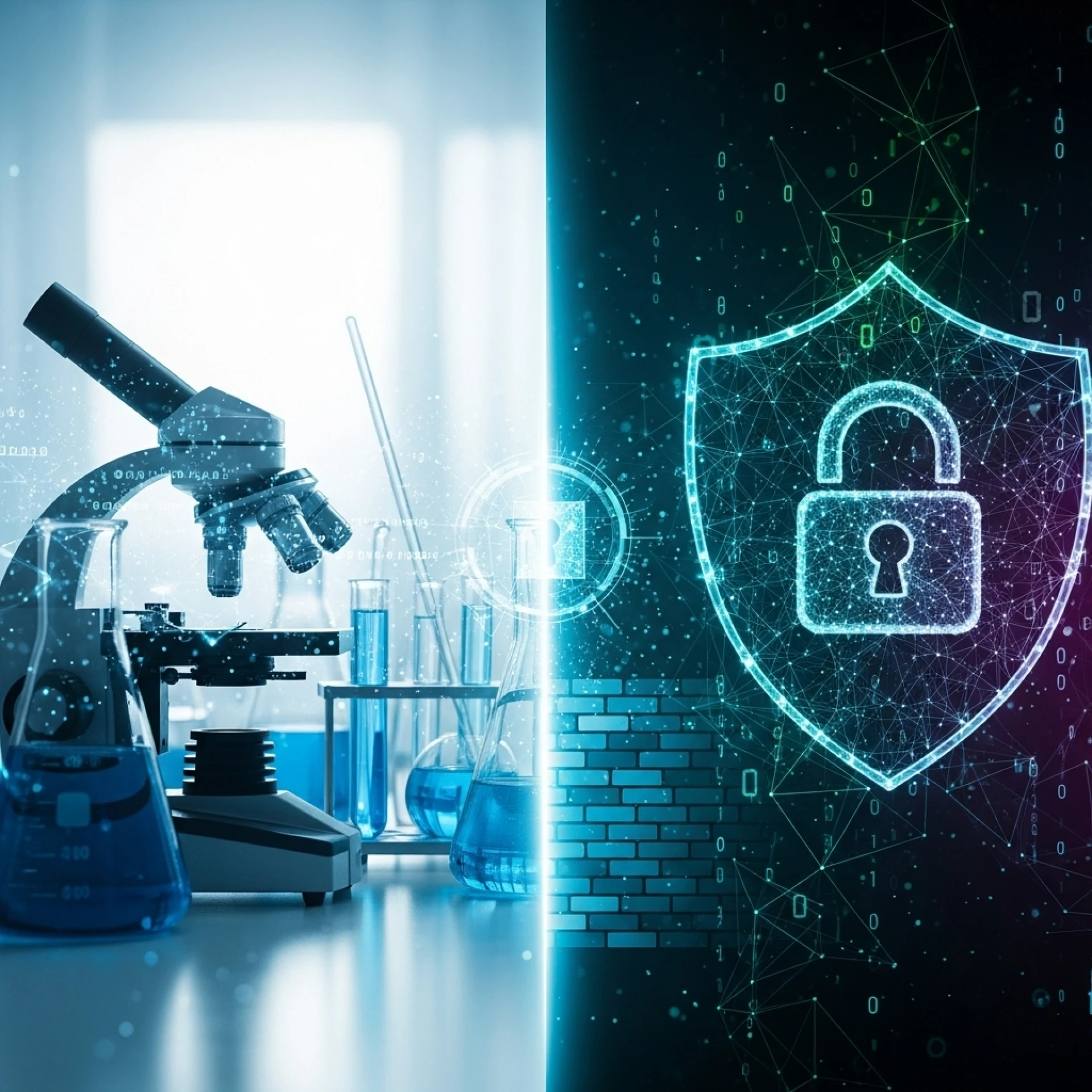
Clinical research has always been about trust patients trust researchers with their data, sponsors trust sites with accurate reporting and regulators trust results to guide decisions but with more trials shifting online, new risks have appeared today cybersecurity is no longer just an IT concern it is a vital part of how studies are designed and run if you are considering a career in this field a clinical research course can give you a clear picture of how science and security now go hand in hand.
Why cybersecurity matters in clinical trials
Every clinical trial generates sensitive data medical histories, lab results even genetic details this information is invaluable for science but it is also highly attractive to cybercriminals a single breach can harm patients, delay a study or damage the reputation of a sponsor that is why strong security is not just about following regulations it is about protecting people and keeping research on track.
Common risks researchers face
Cyber threats in research are not abstract they happen every day some of the most common include:
· Phishing emails tricking staff into sharing login details.
· Ransomware attacks that lock entire systems until money is paid.
· Accidental data leaks from sending files to the wrong person or using unsecure devices.
· Weak vendor systems that give hackers a back door into trial data.
Even a small mistake like reusing a weak password can open the door to bigger problems.
What good security looks like
Cybersecurity in clinical research does not have to be complicated in fact simple habits can make a huge difference for example:
· Use strong passwords and multi factor authentication.
· Share data only through approved platforms never email attachments.
· Give team members access only to the information they need.
· Keep software updated to patch known weaknesses.
· Track activity with audit logs so it is always clear who accessed what.
These steps may seem small but together they create a safer environment for everyone involved.
The role of regulations
Most countries have clear guidelines on how research data must be handled whether it is GDPR in Europe, HIPAA in the US or ICH-GCP globally the message is consistent protect patient privacy, document how you do it and respond quickly if something goes wrong following these rules not only avoids penalties but also builds trust with regulators and participants.
People are the first line of defense
While technology is important people are often the weakest link that is why building awareness is crucial short, practical training sessions help staff spot suspicious emails, use secure systems and report issues early when everyone from investigators to coordinators takes security seriously trials run more smoothly visiting a clinical research institute can be eye opening in this regard you will see how professional research teams manage data securely, train staff and prepare for audits these real world practices highlight that security is not separate from research it is part of daily operations.
Tips for future professionals
If you are just starting in clinical research here are a few ways to strengthen your security mindset:
· Learn the basics of privacy laws in your region.
· Use password managers instead of writing passwords down.
· Keep personal and work devices separate.
· Do not be afraid to ask vendors about their security measures.
· Think of data flow the same way you think of protocol flow clear, traceable and documented.
In addition to keeping you in compliance these behaviors will help you establish yourself as a trustworthy professional.
Why security makes research better
Secure systems also help studies stay on schedule, avoiding expensive delays strong cybersecurity is not just about preventing attacks; it also improves the quality of research when data is well protected and access is clearly managed audits become easier and sponsors have more faith in the results.
Conclusion
As clinical research becomes increasingly digital cybersecurity is no longer optional it is essential it protects patient trust, keeps data reliable and helps trials move forward without unnecessary risks for those entering the field investing in clinical research training that covers both research fundamentals and data protection is a smart step the more you understand how to safeguard information, the more valuable you become to research teams.
In the end, cybersecurity and clinical research share the same goal protecting people and ensuring reliable outcomes by making security part of everyday practice we not only protect sensitive data but also strengthen the credibility of the science itself.