Orthodontic care has moved well beyond metal brackets alone. Clear aligners now sit beside traditional braces as a standard option, and Invisalign is the best-known system. This article explains where aligners fit within orthodontics, what to ask before starting and how patients describe their experience, using Trinity House Dental Care in Wilmslow, Cheshire, as the reference point.
Where aligners sit within orthodontics
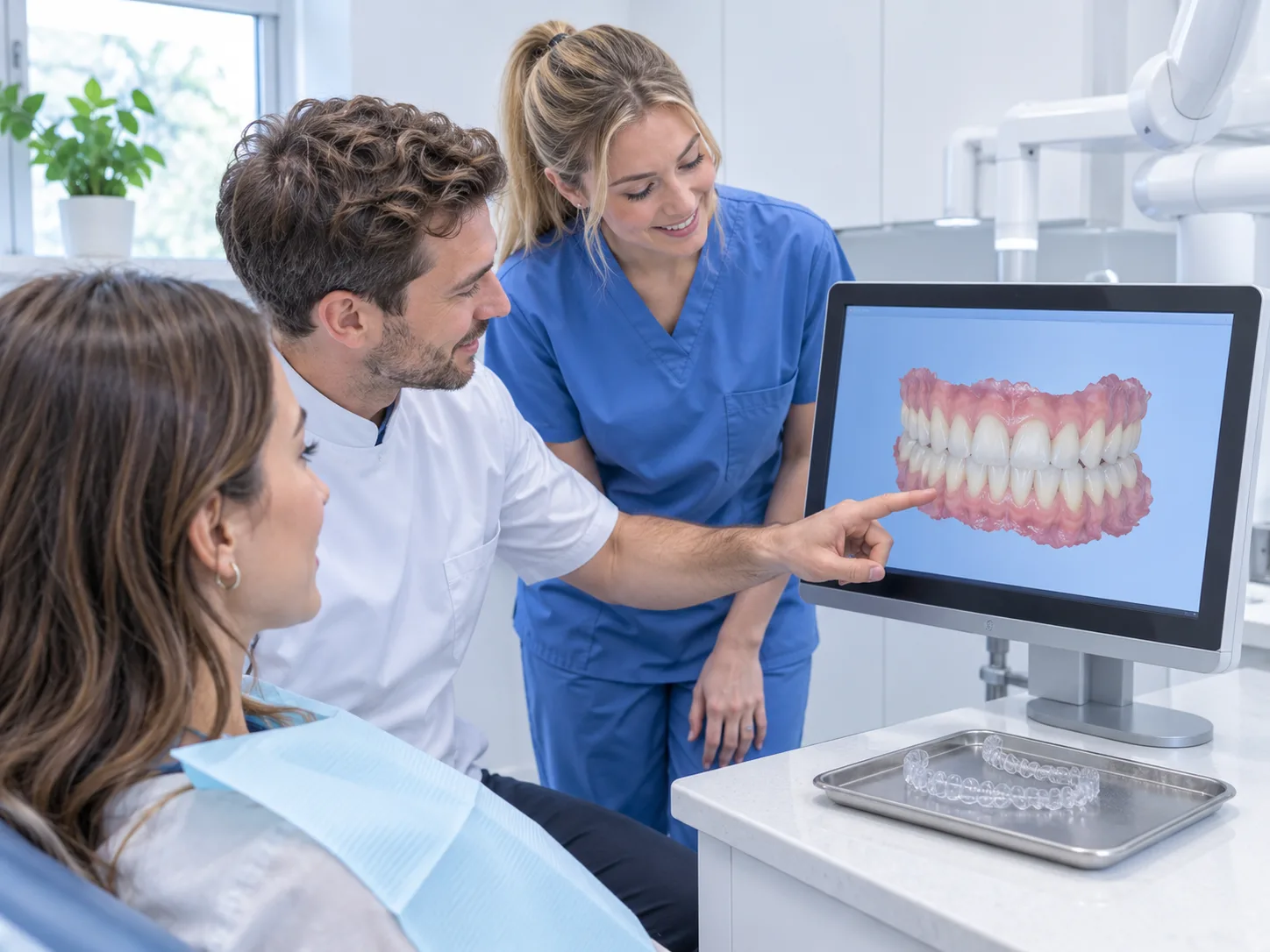
The practice groups its orthodontic work into traditional braces, clear aligners and other solutions tailored to individual needs. Invisalign appears alongside fixed and hidden braces on its list of services. The practice says its orthodontists guide patients through treatment, and that the aim is an outcome that looks good and works well. In other words, aligners are one tool among several, not a default choice.
Assessment comes first
Before any appliance is chosen, the dentist reviews the state of your teeth and gums. Crooked or misaligned teeth are the common reason for referral, but gum health, existing dental work and personal priorities all affect the plan. The practice uses digital X-rays, which give out significantly less radiation than traditional film and show what cannot be seen by eye. A sound plan depends on that information, which is why a clear explanation at this stage is worth asking for.
How treatment works in daily life
Clear aligners are removable plastic trays worn in a planned sequence. Because you can take them out to eat and clean your teeth, many adults find them easier to fit around work and social life than fixed appliances. The trade-off is discipline. They only do their job when worn as directed, so the person wearing them carries more of the responsibility. Anyone who knows they will struggle with that should say so, and a dentist can then discuss fixed braces instead.
Keeping teeth and gums healthy
Moving teeth does not pause the need for ordinary care. The practice recommends brushing at least twice a day with a soft brush and fluoride toothpaste, flossing daily and limiting sugary and acidic food and drink. Hygiene visits add a professional clean that removes plaque and tartar, and check-ups are advised every six months, though individual needs vary. One family review describes using orthodontic care, check-ups and hygienist appointments together over ten years.
Combining aligners with cosmetic treatment
Straightening is sometimes only the first step. The practice also offers whitening, veneers, composite bonding and smile makeovers, and describes whitening as safe and effective under professional supervision. One patient wrote about having Invisalign and whitening and said it was definitely worth it. Whether to combine treatments, and in what order, depends on the condition of your teeth, so it is a question for the dentist.
Comfort for nervous patients
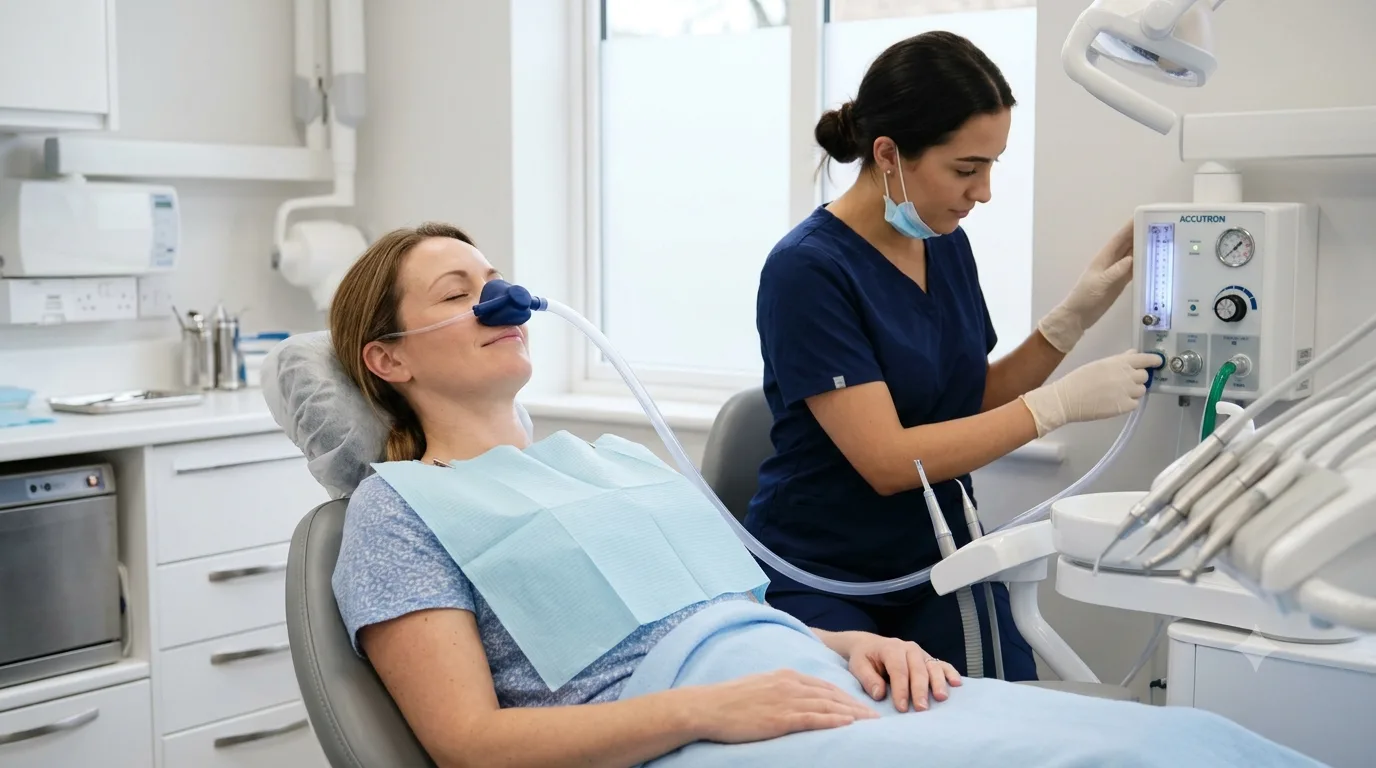
Longer treatments mean more appointments, which can be hard for people who dislike the dentist. The practice responds with open conversation before treatment, sedation using nitrous oxide or oral sedatives, and distraction through calming music or virtual reality headsets. Reviewers describe the atmosphere as calm and welcoming, and some say they arrived feeling anxious and left feeling at ease.
Standards and recognition
All dentists working in the UK must be registered with the General Dental Council, and the register is open to the public. The practice has also received three industry awards, for Practice of the Year, Team of the Year and Practice Principal. Patients describe long relationships with the team, including one family of more than thirty years, and one who travels some distance to attend. Those accounts are individual, yet they suggest consistent care over time.
Fees and access
Costs vary with the treatment, so no figures are quoted here. The practice publishes its fees on its website and offers payment plans to spread the cost. It is open on weekdays, with evening and weekend appointments by arrangement, and patients travel in from Sale, Cheadle and Macclesfield as well as from across Cheshire.
Frequently asked questions
What is the difference between aligners and braces?
Aligners are clear and removable, while fixed braces stay on the teeth. The practice offers both, and your dentist can explain which suits you.
Who decides whether Invisalign is suitable?
The dentist, after assessing your oral health.
Do I still need regular check-ups?
Yes. Every six months is the usual advice, although your dentist may recommend something different.
Are dental X-rays safe?
The practice uses digital X-rays, which emit significantly less radiation than traditional film.
Is help available for nervous patients?
Yes. Options include nitrous oxide, oral sedatives, calming music and virtual reality headsets.
Can the cost be spread?
Yes, payment plans are offered.