
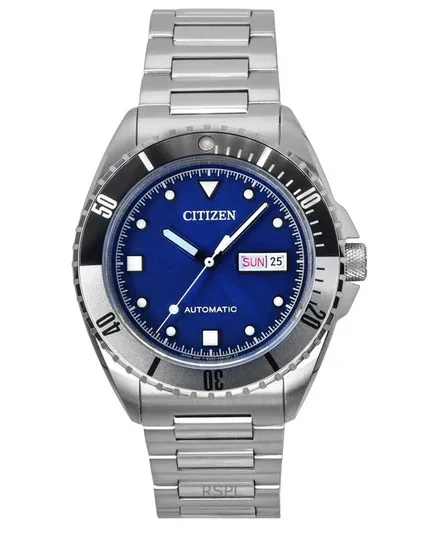
Citizen Aqualand occupies a specific niche within dive watches — built around a depth sensor and dive-logging function rather than being purely a water-resistant timepiece, positioning it closer to a basic dive computer than a standard diver's watch.
Quick Answer
The Citizen Aqualand line is a Promaster sub-series built specifically for scuba diving, featuring a depth sensor, maximum depth memory, and dive-time tracking alongside standard timekeeping — most current references run on Eco-Drive light-powered movements. This makes Aqualand a functionally different product from a standard dive-rated watch; the depth-sensing feature is the core differentiator, not just an additional water resistance rating.
Depth Sensor: What Makes Aqualand Distinct
Unlike most dive watches, which are simply water-resistant to a stated depth without measuring anything, Aqualand includes an actual depth sensor that tracks current depth and logs maximum depth reached during a dive — a genuinely different feature set from a standard analog or digital dive watch's static water resistance rating.
Depth Sensor: What Makes Aqualand Distinct
Unlike most dive watches, which are simply water-resistant to a stated depth without measuring anything, Aqualand includes an actual depth sensor that tracks current depth and logs maximum depth reached during a dive — a genuinely different feature set from a standard analog or digital dive watch's static water resistance rating.
History and Development of the Aqualand Name
Aqualand has existed within Citizen's Promaster catalogue for an extended period, building a reputation among diving enthusiasts specifically for the combination of digital depth data and Citizen's underlying durability standards. This history matters for buyers seeking either a current-production reference or a well-regarded older Aqualand model on the secondary market, since the line's core depth-sensing concept has remained consistent across product generations even as specific case designs and movement details have evolved.
Reading the Depth Display Correctly
Aqualand's depth display typically shows current depth in meters via a digital sub-display alongside the analog time-telling hands, and understanding how to read and interpret this display — including any depth-alarm or maximum-depth-memory functions specific to the reference — should be confirmed against the watch's included instructions before relying on it during an actual dive, since misreading dive-critical data carries genuine safety implications beyond a typical watch feature.
Eco-Drive Power in a Dive Context
Most current Aqualand references use Citizen's Eco-Drive light-powered movement, which is particularly practical for a dedicated dive instrument — no battery replacement needed, reducing the risk of gasket disturbance from opening the case for battery service, which matters more for water-resistance integrity on a dive-specific watch than on an everyday piece.
Who Actually Needs This Feature Set
Aqualand is built for people who actually dive and want depth data on the wrist as a backup or supplement to a dedicated dive computer, rather than for buyers wanting a dive-styled watch for everyday wear. Someone not actually diving gains little practical benefit from the depth-sensing feature specifically, though the watch functions perfectly well as a rugged everyday piece too.
Water Resistance and Certification
Specific water resistance rating and any ISO 6425 dive certification status should be confirmed per Aqualand reference against Citizen's official documentation, since these details matter significantly for anyone considering actual diving use rather than casual water exposure.
Buying Strategy
If actual scuba diving with depth tracking is the goal, Aqualand's depth sensor is a genuine functional advantage over a standard dive-styled watch. If the goal is simply a rugged, water-resistant everyday watch with dive-watch aesthetics, a standard Citizen Promaster diver without the depth sensor may be a more cost-effective choice.
Caring for a Dive Instrument Between Uses
A dedicated dive watch like Aqualand benefits from a rinse in fresh water after saltwater exposure and periodic gasket inspection if used for actual diving regularly, since gasket integrity directly affects the water resistance rating the watch depends on for its core function — this maintenance step matters more for a genuinely dive-purposed watch than for a similarly water-resistant watch that mostly sees swimming pool or shower exposure rather than open water diving.
FAQ
**What does the Aqualand depth sensor actually measure?**
It tracks current depth during a dive and logs the maximum depth reached, functioning similarly to a basic dive computer rather than a standard static water-resistance rating.
**Is Citizen Aqualand suitable for actual scuba diving?**
It's specifically designed for dive use with genuine depth-tracking function, though specific certification and depth rating should be confirmed per reference before relying on it as a primary dive instrument.
**Does Aqualand run on Eco-Drive?**
Most current references use Eco-Drive light-powered movement, though this should be confirmed per specific model.
**Should I buy Aqualand if I don't dive?**
The depth-sensing feature offers little practical benefit without actual diving use, though the watch still functions as a rugged, water-resistant everyday piece.
**How does Aqualand compare to a dedicated dive computer?**
Aqualand offers basic depth tracking as a watch feature rather than the full functionality (decompression calculation, nitrogen loading) of a dedicated dive computer, making it a supplement rather than a replacement for serious technical diving instruments.
**Should I rely on Aqualand as my primary dive safety instrument?**
Aqualand's depth-tracking function is a useful supplement, but serious or technical diving should rely on a dedicated, properly certified dive computer as the primary safety instrument rather than a watch feature alone.
**Are older Aqualand references still worth buying on the secondary market?**
This depends on the specific reference's condition and whether its depth sensor and movement still function correctly — a pre-purchase inspection or servicing check is worthwhile for any older dive instrument bought second-hand given the functional (not just cosmetic) stakes involved.
Verdict
Citizen Aqualand's depth-sensing function is a genuine, distinct feature for actual divers rather than just dive-watch styling — check current stock and specific reference details on the Citizen Aqualand collection.