
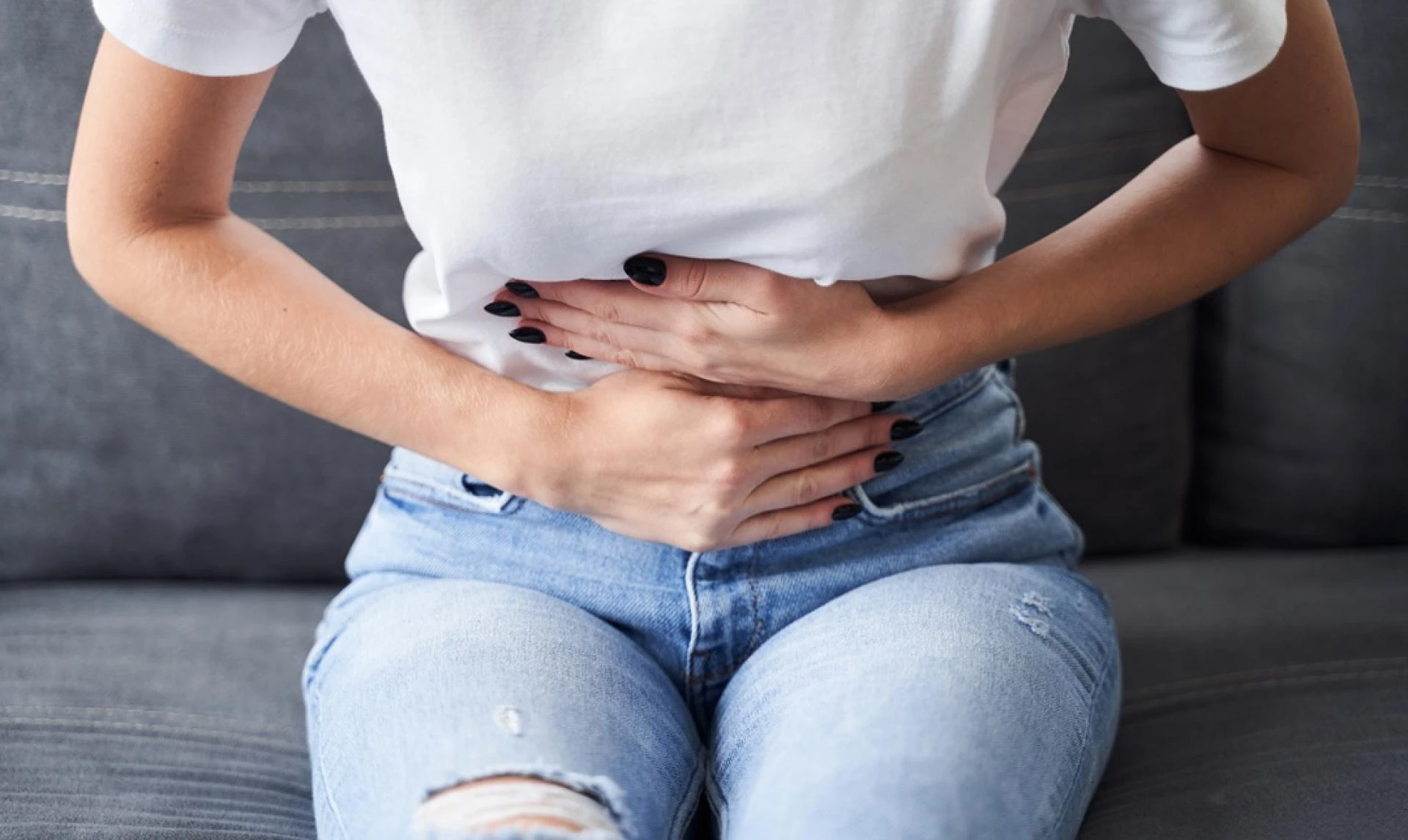
When persistent discomfort hovers in the lower abdomen or pelvis, life can feel misaligned and frustrating. That’s because what you may be facing is chronic pelvic pain — a condition far more common than we often realise, especially among women. In this article, we’ll walk through what chronic pelvic pain looks like, why it happens, how it’s diagnosed and treated, and what meaningful steps you can take towards relief.
If you’ve been shrugging off your symptoms or wondering when it’s time to seek help, you’ll find this guide helpful and empowering. And yes — if you’re looking for a women's health GP who understands pelvic-pain complexities, you’ll also discover how to find the right partner in care.
Understanding Chronic Pelvic Pain
Rather than a one-off ache, chronic pelvic pain is defined by its persistence. It’s pain situated in the pelvis — the area below the belly button and above the thighs, between the hip bones — that lasts for six months or more.
In many cases, it may have started after an acute episode (e.g., surgery, infection, or injury) but continues long after the original trigger has resolved.
It’s estimated that as many as one in six women may experience chronic pelvic pain.
What makes it particularly challenging is that the pain may be constant or intermittent, sharp or dull, deeply internal or superficially tender. It may flare around certain activities — such as sitting for long periods, pelvic floor strain, movement, or sexual intercourse. Over time, living with chronic pelvic pain can impact mood, relationships, work, and your sense of self.
Recognising the Symptoms
In many cases, the first step toward relief is recognising that “this pain isn’t normal and I shouldn’t have to simply live with it.”
Common features include:
- A dull ache, throbbing, or sharp pain in the pelvis, lower abdomen, or lower back region.
- Pain located on one side or both sides of the pelvis (or shifting sides). It may also radiate into the lower back, groin, or thighs.
- Tingling, numbness, pins-and-needles, or muscle tenderness in the pelvic floor, abdominal wall, or surrounding soft tissues.
- Pain related to or aggravated by certain triggers: sitting for long stretches, standing, lifting, bowel or bladder activity, and intercourse.
- In women, pain might also coincide with menstrual cycles, ovulation, or pelvic floor muscle tension.
- Associated symptoms may include urgency/frequency of urination, constipation or diarrhoea, bloating or gastrointestinal upset.
- Emotional and psychological effects: frustration, anxiety, even depression, especially when relief feels elusive.
- When symptoms appear suddenly, worsen, or are accompanied by red-flag signs — like unexplained weight loss, fevers, bleeding, or leg weakness — immediate medical attention is advised.
Because the symptom profile is so diverse — overlapping with other conditions of the bladder, bowel, reproductive system, or musculoskeletal system — many women endure a long diagnostic journey before receiving proper management.
What Causes It?
In truth, chronic pelvic pain is rarely traceable to just one isolated cause. Often, multiple contributing factors — anatomical, neurological, muscular, psychological — intertwine.
Here are key contributing categories:
1. Reproductive/gynecological causes
Conditions such as Endometriosis (when uterine-lining-type tissue grows outside the uterus), Adenomyosis, fibroids, ovarian cysts, or pelvic inflammatory disease (PID) frequently appear in women with chronic pelvic pain.
2. Bowel/Gastrointestinal causes
Irritable bowel syndrome (IBS), diverticulitis, and adhesions (scar tissue from prior surgeries) can produce pelvic-region pain.
3. Bladder/Urological causes
For example, Interstitial Cystitis (painful bladder syndrome) or recurrent urinary tract infections can manifest as chronic pelvic discomfort.
4. Musculoskeletal / nerve / pelvic-floor muscle causes
The pelvic floor, hip joints, lower spine/sacroiliac joints, and associated nerves (such as the pudendal nerve) may all be sources of chronic pain. Muscle spasms, myofascial trigger points, or nerve entrapment can keep pain active long after a visible injury has healed.
In fact, the phenomenon of central sensitisation (where the nervous system becomes overly sensitive to pain signals) is known to occur in chronic pelvic pain syndromes.
5. Psychological/emotional factors & overlapping conditions
Long-term pain is intimately linked with emotional health. Trauma, stress, a history of surgical interventions, or concurrent conditions (like fibromyalgia) may increase the risk of chronic pelvic pain or make it harder to resolve.
It’s important to emphasise: just because a precise cause isn’t found, it doesn’t mean your pain isn’t real. Many women wind up with a “no clear pathology” diagnosis, yet their suffering remains genuine and significant.
When Should You See a Doctor?
If you’re wondering whether it’s time to make that appointment, here are helpful guidelines.
You should seek evaluation if:
- Your pelvic or lower abdominal pain has persisted for six months or more and is affecting your daily life.
- The discomfort is worsening or interfering with normal activity, relationships, work, or sleep.
- The pain is not clearly improving with simple home remedies (e.g., rest, heat, over-the-counter medication).
- Associated symptoms accompany the pain: abnormal bleeding, urinary changes, bowel changes, fever, unexpected weight loss, or symptoms of infection.
- You’ve had surgery, pelvic trauma, or a past diagnosis of a condition like endometriosis, and the pain is recurring.
- You are seeking support beyond “wait and see,” and you’d like to partner with a clinician who takes your pelvic pain seriously.
In that context, a compassionate and knowledgeable women's health GP is a valuable place to start. They can coordinate the initial assessment, arrange imaging or blood tests if needed, refer you to specialists (gynaecologist, urologist, pain clinic, pelvic-floor physiotherapist), and help ensure the multiple facets of your pain are addressed.
Diagnostic Approach – What to Expect
A supportive and thorough evaluation helps ensure nothing important is missed and sets the stage for thoughtful treatment.
Common elements of diagnosis include:
- A detailed medical and surgical history, including menstrual history, bowel/bladder symptoms, sexual pain, previous surgeries, or pelvic inflammations.
- A physical examination: pelvic floor muscle evaluation, assessment of nerves, hips, spine, abdominal wall, and possibly external and internal pelvic examination (depending on symptoms).
- Investigations: urine tests, STI screens, imaging like ultrasound or MRI (especially if a clear gynaecological or urological cause is suspected).
- Screening for psychological factors, sleep or mood disorders, trauma history — because these can affect pain perception and outcomes.
- Possibly referral to a multidisciplinary pain or pelvic-health service if the pain is complex, multifactorial, or persistent.
Keep in mind: in many cases, the “exact cause” remains elusive. According to recent reviews, up to half of people with chronic pelvic pain may remain undiagnosed in terms of a singular pathology.
That doesn’t mean the condition is untreatable — it simply means management often involves addressing multiple contributing factors rather than chasing one isolated culprit.
Treatment & Relief Strategies
The good news is that many women do find meaningful relief and improved quality of life when the right combination of therapies is applied. Effective management typically follows a multimodal approach — meaning more than one strategy at once.
Here are the key treatment domains:
1. Medical/pharmacological interventions
- For general pain and inflammation: NSAIDs (like ibuprofen), analgesics.
- If the pain is cyclical or hormone-driven (e.g., due to endometriosis), hormonal therapies such as oral contraceptives, progestins, or IUDs may be recommended.
- For neuropathic or nerve-pain features (burning, tingling, hyper-sensitivity): medications such as gabapentin, amitriptyline, or duloxetine may be considered.
- In cases where a clear structural issue is identified (e.g., fibroid, ovarian cyst, hernia), then surgery or intervention may play a role.
2. Pelvic floor and musculoskeletal therapy
- Pelvic-floor physical therapy is one of the cornerstones of non-surgical treatments for chronic pelvic pain. It includes exercises to strengthen, relax, and coordinate the pelvic floor muscles, plus myofascial release techniques, trigger point treatment, and sometimes biofeedback.
- Addressing hip, spine, and sacroiliac joint dysfunction: posture, alignment, movement patterns — all matter.
- Myofascial trigger points and muscle spasms in the pelvic region may contribute heavily to pain; finding a skilled pelvic physiotherapist can be transformative.
3. Psychological/behavioural approaches
- Cognitive behavioural therapy (CBT), mindfulness-based stress reduction, biofeedback, and similar interventions help address the emotional, behavioural, and pain-processing aspects of chronic conditions.
- Sleep optimisation, stress management, pacing activities, and lifestyle counselling all feed into better outcomes.
- Partnering with a health professional who treats your pain experience comprehensively (not just medication) can help break the cycle of pain–fear–avoidance.
4. Self-care and lifestyle modifications
- Gentle regular movement and stretching: even short walks, pelvic-floor friendly exercise, yoga, or Pilates can ease stiffness and improve blood flow.
- Heat (warm compresses or hot-water bottles) and cold packs can provide short-term relief during flare-ups.
- Reviewing bowel and bladder habits (avoiding constipation/straining, managing urinary urgency).
- Reviewing footwear, posture, sitting habits, and ergonomics: prolonged sitting, for example, can aggravate pelvic pain.
- Mindful of diet triggers: for people with overlapping IBS or bladder-pain symptoms, elimination of common irritants (caffeine, alcohol, spicy food) may help.
- Engaging in self-compassion and pacing: recognising that you have a legitimate pain condition and that gradual improvement is often the goal rather than immediate “fix”.
5. Interventional/surgical options (for selected cases)
- When conservative treatments have not succeeded, pain-management specialists may consider nerve blocks (such as pudendal nerve, hypogastric plexus), radio-frequency ablation, neuromodulation, or even surgical correction of structural causes.
- In conditions like persistent endometriosis or adhesions, laparoscopy to remove scar tissue may be considered, though success varies and it carries risks.
Real-Life Relief: What You Can Do Tomorrow
You don’t have to wait weeks or months for relief. Here are some practical steps to start now:
- Book an appointment with a women-friendly GP (or pelvic-health GP) and mention clearly: “I’ve had pelvic pain for … months, I’d like a comprehensive assessment.”
- Keep a pelvic-pain diary for 1–2 weeks: note pain intensity, location, triggers, bladder/bowel symptoms, menstrual or ovulation timing, movement/sitting habits, mood/stress levels.
- Begin gentle pelvic stretches or pelvic floor “check-in” exercises: maybe 5 minutes each morning of hip-openers or glute activation, and see how your body responds.
- Try heat application once or twice a day or when a flare-up starts — many people get short relief just by applying warmth to the lower abdomen/pelvis.
- Evaluate your sitting posture and ergonomics: if you spend many hours seated, use a supportive chair, consider a cushion, and take standing/stretching breaks every 30–60 minutes.
- Review other health factors: Are you getting enough sleep? Are you under chronic stress? Do you experience anxiety, tension, or a sense that pain is limiting your life? If yes, you’re not alone, and it helps to start addressing these along with the physical symptoms.
- Stay hopeful. Chronic pelvic pain might feel overwhelming, but many women improve significantly when they combine targeted therapy + self-care, + specialist guidance.
Why Early and Multidisciplinary Action Matters
It’s easy to fall into the trap of “I’ll wait and see if it resolves” when pelvic pain starts shortly after a procedure, a cyst, or even heavy menstruation. However, the longer the pain persists, the more likely the nervous system changes (central sensitisation) and the more complex the treatment becomes.
Getting ahead of that progression improves your chances of better outcomes, fewer medications, and improved quality of life.
Because chronic pelvic pain often overlaps multiple domains (gynecology, urology, gastroenterology, physical therapy, psychology), the best outcomes come from collaborative care — when your women's health GP coordinates referrals and integrates care rather than treating one symptom in isolation.
Special Considerations for Women
Because women’s pelvic anatomy includes reproductive organs, menstrual cycles, pregnancy/postpartum changes, and hormonal fluctuations, there are some additional things to keep in mind:
- If you notice pain that strongly correlates with your menstrual cycle (for example, much worse around ovulation or menstruation), speak to a GP/gynaecologist about hormone-driven causes such as endometriosis or adenomyosis.
- If you’ve had pelvic surgery (e.g., C-section, hysterectomy, laparoscopy), scar tissue/adhesions may be contributing to pain. The team approach becomes even more relevant here.
- Pregnancy and childbirth alter pelvic-floor musculature, ligaments, bladder/bowel function, and may increase the risk of chronic pelvic pain in the post-partum period.
- Reproductive life stages (menopause, hormonal shifts) may change how pain feels or how other conditions behave.
- Sexual pain (dyspareunia) is a common and deeply distressing aspect of chronic pelvic pain in women. It deserves attention — both physically (pelvic floor therapy, counselling) and emotionally (communication, therapy).
It’s important to remind yourself: you’re not “just imagining it”, “making too much of it”, or destined to suffer silently. Your pain matters, and there are pathways to relief.
When to Seek Urgent Care
Though chronic pelvic pain is often managed over time, there are situations where immediate attention is required. Contact your medical practitioner (or emergency department) if you experience:
- Sudden, unrelenting, severe pelvic or abdominal pain (especially if it moves or “shifts”)
- Fever, chills, signs of infection (especially after surgery)
- Abnormal vaginal bleeding, bleeding after menopause, or blood in urine/stool
- New onset of weakness, numbness, tingling in the legs
- Sudden inability to urinate or pass stool
- These may signal surgical emergencies (e.g., ectopic pregnancy, torsion of the ovary, obstructed bowel, abscess) and should not be delayed.
Final Thoughts
Chronic pelvic pain can feel isolating, confusing, and overwhelming — especially when standard treatments don’t seem to help or when the cause is “unclear”. But you deserve relief, clarity, and a path forward. With the right clinician partnering with you (a women's health GP who listens, understands, and coordinates), combined with focused therapies and self-care, many women improve their quality of life significantly.
Give yourself permission to seek help, to persist in finding what works for you, and to reclaim the parts of your life that pain has held back. Your experience matters — and relief is possible.