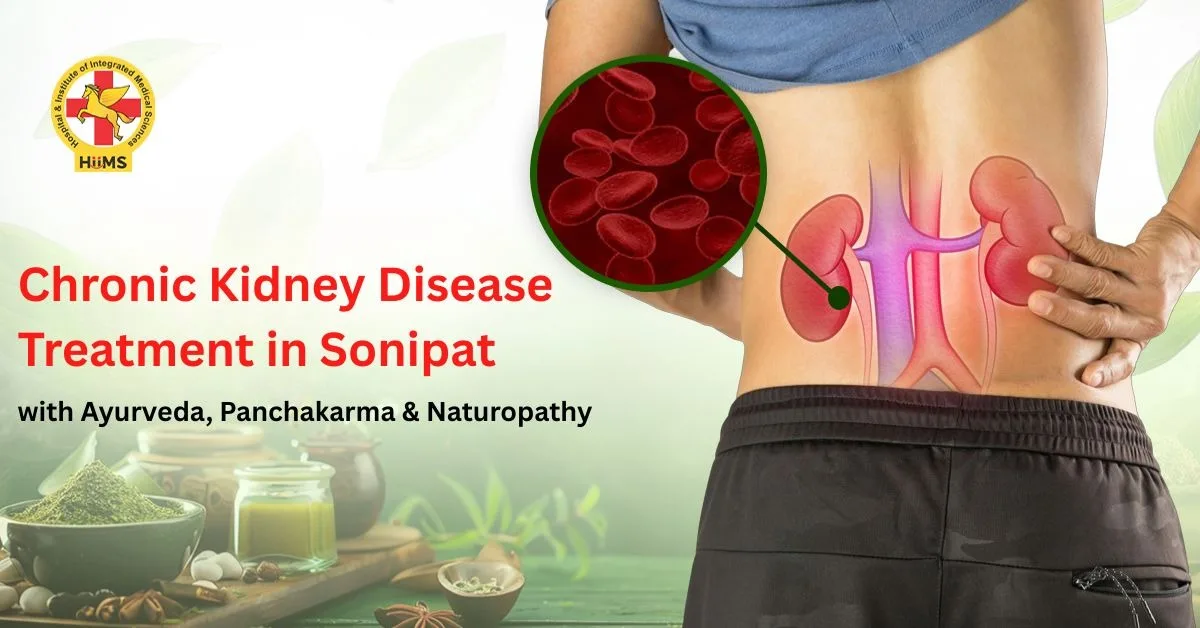
Kidneys are among the most important organs in the human body. They work continuously to remove toxins, maintain fluid balance, regulate blood pressure, and support overall health. When kidney function gradually declines over time, it can lead to a condition known as Chronic Kidney Disease (CKD). Many people living with CKD look for natural and supportive ways to improve their quality of life, and Ayurveda offers a holistic approach that focuses on balancing the body and supporting kidney health naturally.
If you are searching for Chronic Kidney Disease Treatment in Ayurveda, Jeena Sikho HiiMS Hospital Sonipat provides a comprehensive Ayurvedic, Panchakarma, Naturopathy, and lifestyle-based approach designed to support overall wellness and kidney function.
Understanding Chronic Kidney Disease (CKD)
Chronic Kidney Disease is a long-term condition in which the kidneys gradually lose their ability to function properly. This process often develops slowly and may not show noticeable symptoms during the early stages. As the condition progresses, individuals may experience:
- Swelling in the feet and ankles
- Fatigue and weakness
- High blood pressure
- Loss of appetite
- Difficulty sleeping
- Frequent urination
- Water retention
- Reduced energy levels
While conventional treatment focuses on managing symptoms and slowing progression, Ayurveda aims to address the root causes of imbalance while supporting the body's natural healing mechanisms.
Ayurvedic Perspective on Chronic Kidney Disease
According to Ayurveda, kidney disorders are often linked to imbalances in the body's doshas, particularly Vata and Kapha. Poor dietary habits, unhealthy lifestyle choices, stress, toxin accumulation, and improper digestion can contribute to these imbalances.
The Ayurvedic approach focuses on:
- Detoxification of the body
- Improving digestion and metabolism
- Supporting healthy kidney function
- Balancing the doshas
- Enhancing overall vitality and wellness
Rather than treating only the symptoms, Ayurveda aims to improve the body's internal environment and promote long-term health.
Panchakarma Therapy for CKD Management
One of the key components of Chronic Kidney Disease Treatment in Ayurveda is Panchakarma. Panchakarma is a traditional Ayurvedic detoxification process that helps remove accumulated toxins from the body.
At Jeena Sikho HiiMS Hospital Sonipat, Panchakarma therapies are incorporated as part of a personalized wellness plan. Depending on the individual's condition, therapies may include:
Abhyanga (Therapeutic Oil Massage)
This therapy helps improve circulation, relax the body, and support detoxification.
Swedana (Herbal Steam Therapy)
Swedana promotes sweating, which may assist the body in eliminating toxins naturally.
Basti Therapy
Considered one of the most effective Panchakarma procedures, Basti helps balance Vata dosha and supports overall systemic health.
Virechana
This cleansing process helps eliminate toxins through controlled purification methods under expert supervision.
Panchakarma therapies are always customized according to the individual's health condition and wellness goals.
Naturopathy Therapies for Kidney Wellness
Naturopathy complements Ayurvedic treatment by encouraging the body's natural healing abilities. At Jeena Sikho HiiMS Hospital Sonipat, various naturopathy therapies may be recommended as part of a holistic wellness program.
Hot Water Immersion Therapy
Hot Water Immersion Therapy is used to promote relaxation, improve circulation, and support the body's natural detoxification processes. Many individuals find this therapy soothing and beneficial for overall wellness.
Hydrotherapy
Water-based therapies may help improve circulation and support general health.
Mud Therapy
Mud applications are traditionally used in naturopathy to provide a cooling and relaxing effect on the body.
Yoga and Breathing Practices
Gentle yoga and pranayama help reduce stress, improve flexibility, and support physical and mental well-being.
Ayurvedic Diet for Chronic Kidney Disease
Diet plays a significant role in Ayurvedic health management. A balanced and personalized dietary plan can help support overall kidney health and reduce unnecessary strain on the body.
Some commonly recommended dietary principles include:
Eat Fresh and Natural Foods
Fresh fruits, vegetables, and easily digestible meals are preferred over processed foods.
Reduce Excess Salt Intake
Limiting excessive salt consumption may help support healthy blood pressure levels.
Stay Properly Hydrated
Hydration requirements vary for every individual, so fluid intake should be guided by healthcare professionals.
Include Kidney-Friendly Foods
Depending on individual needs, foods such as bottle gourd, pumpkin, cucumber, ridge gourd, and certain seasonal fruits may be included.
Avoid Processed Foods
Packaged foods often contain excessive sodium and preservatives that may not support kidney health.
An Ayurvedic diet plan is typically personalized according to a person's body constitution, health condition, and nutritional requirements.
Lifestyle Changes That Support Kidney Health
Along with therapies and dietary modifications, lifestyle improvements play an important role in overall wellness.
Maintain a Regular Routine
Consistent sleep and meal timings help support healthy digestion and metabolism.
Manage Stress Effectively
Stress can negatively impact overall health. Meditation, yoga, and relaxation techniques can be beneficial.
Stay Physically Active
Regular gentle exercise helps improve circulation and supports overall health.
Avoid Smoking and Alcohol
Limiting harmful habits contributes to better long-term wellness.
Prioritize Quality Sleep
Adequate rest allows the body to repair and rejuvenate naturally.
Why Choose Jeena Sikho HiiMS Hospital Sonipat?
Jeena Sikho HiiMS Hospital Sonipat is known for its integrated approach to wellness that combines Ayurveda, Panchakarma, Naturopathy, Yoga, and dietary guidance. The hospital focuses on addressing health concerns through natural and holistic methods while promoting healthy lifestyle habits.
Patients receive individualized wellness programs that may include:
- Ayurvedic consultations
- Personalized diet plans
- Panchakarma therapies
- Naturopathy treatments
- Hot Water Immersion Therapy
- Yoga and meditation sessions
- Lifestyle counseling
This holistic approach aims to improve overall well-being while supporting better health management.
Conclusion
Managing Chronic Kidney Disease requires a comprehensive approach that includes proper medical guidance, healthy lifestyle habits, balanced nutrition, and stress management. Ayurveda offers a natural framework that focuses on supporting the body's internal balance and overall wellness.
For individuals seeking Chronic Kidney Disease Treatment in Ayurveda, Jeena Sikho HiiMS Hospital Sonipat provides an integrated approach through Panchakarma, Naturopathy, Ayurvedic dietary guidance, Hot Water Immersion Therapy, and lifestyle modifications. By adopting healthier habits and personalized wellness strategies, individuals can take positive steps toward improving their overall quality of life and supporting long-term kidney health.