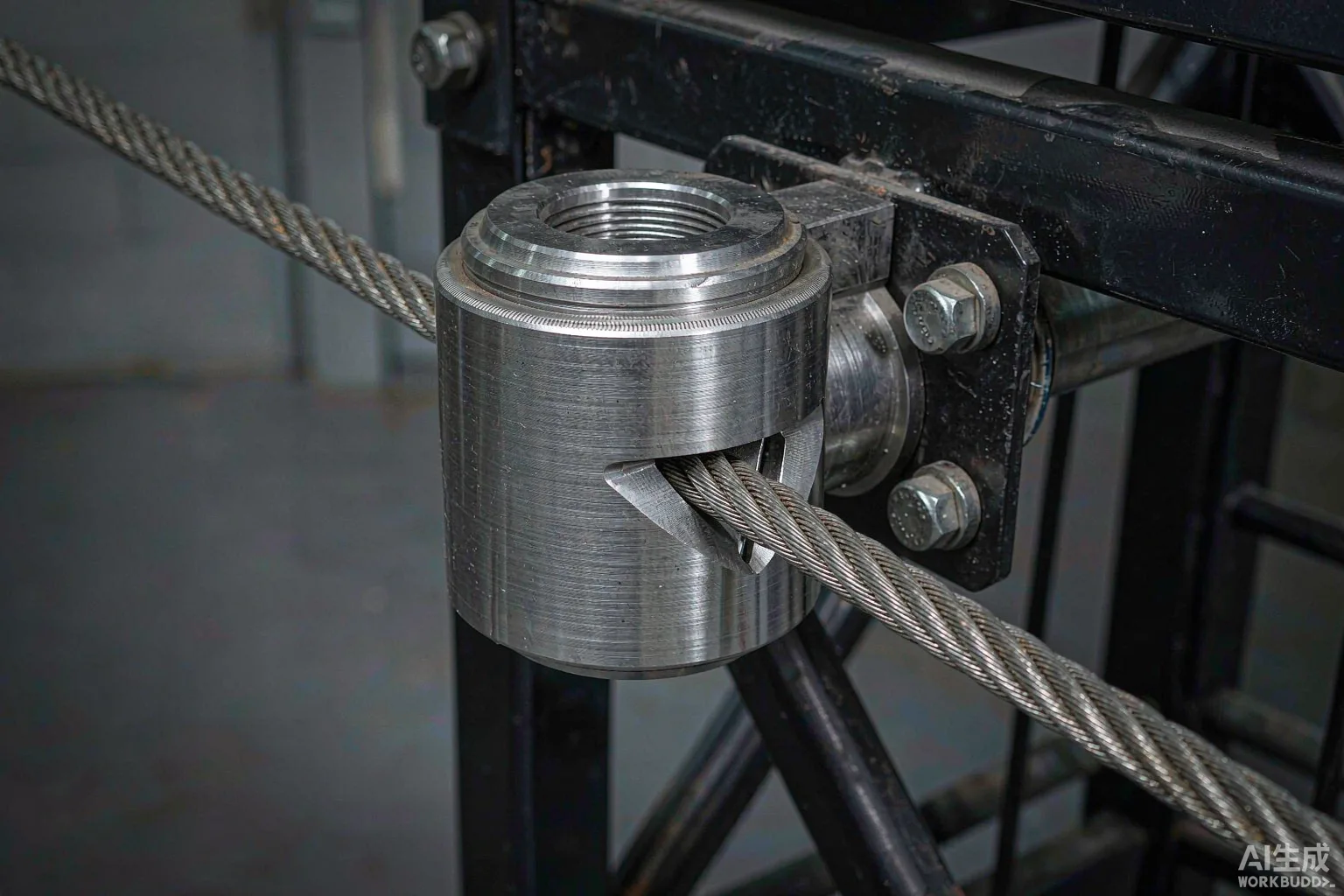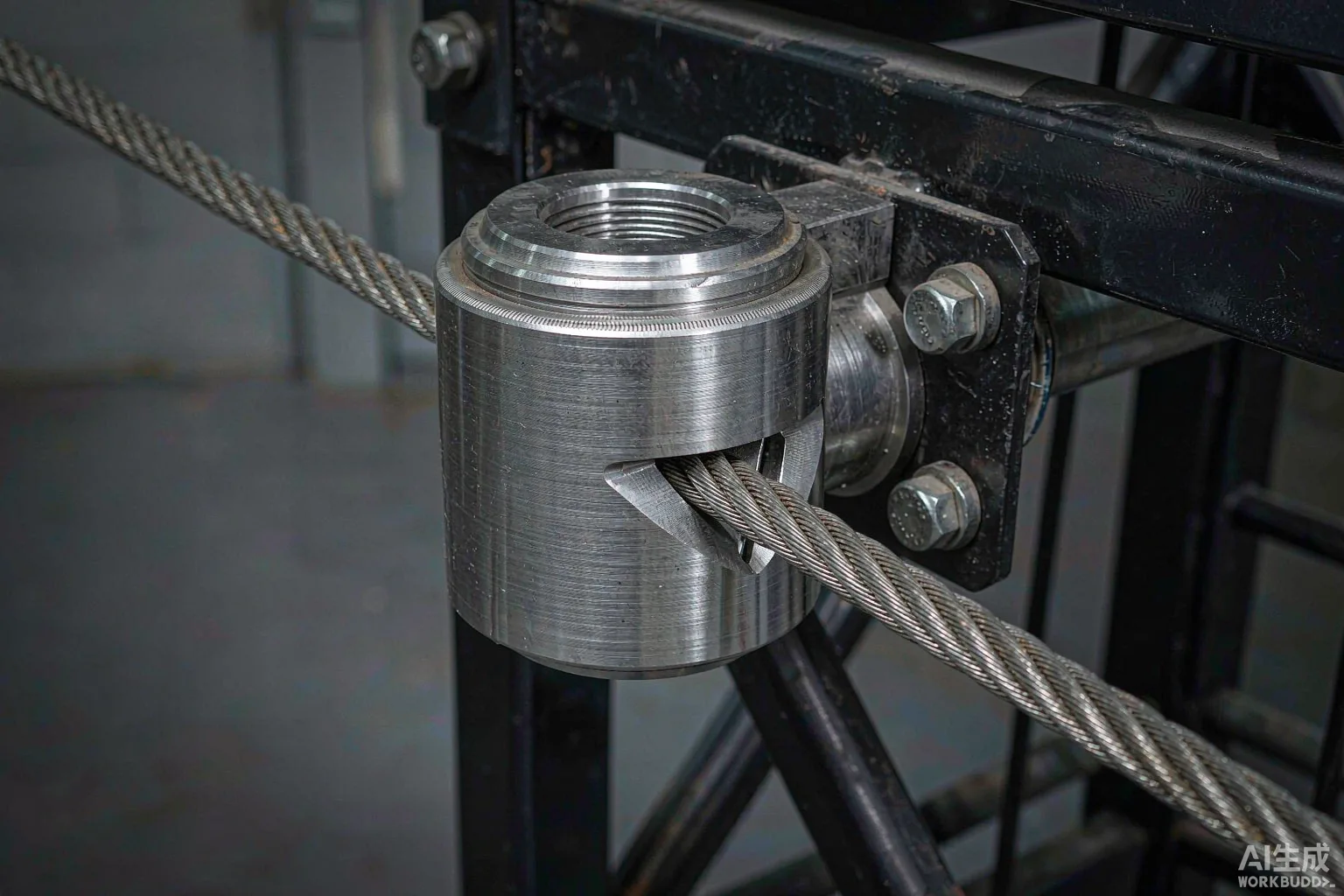
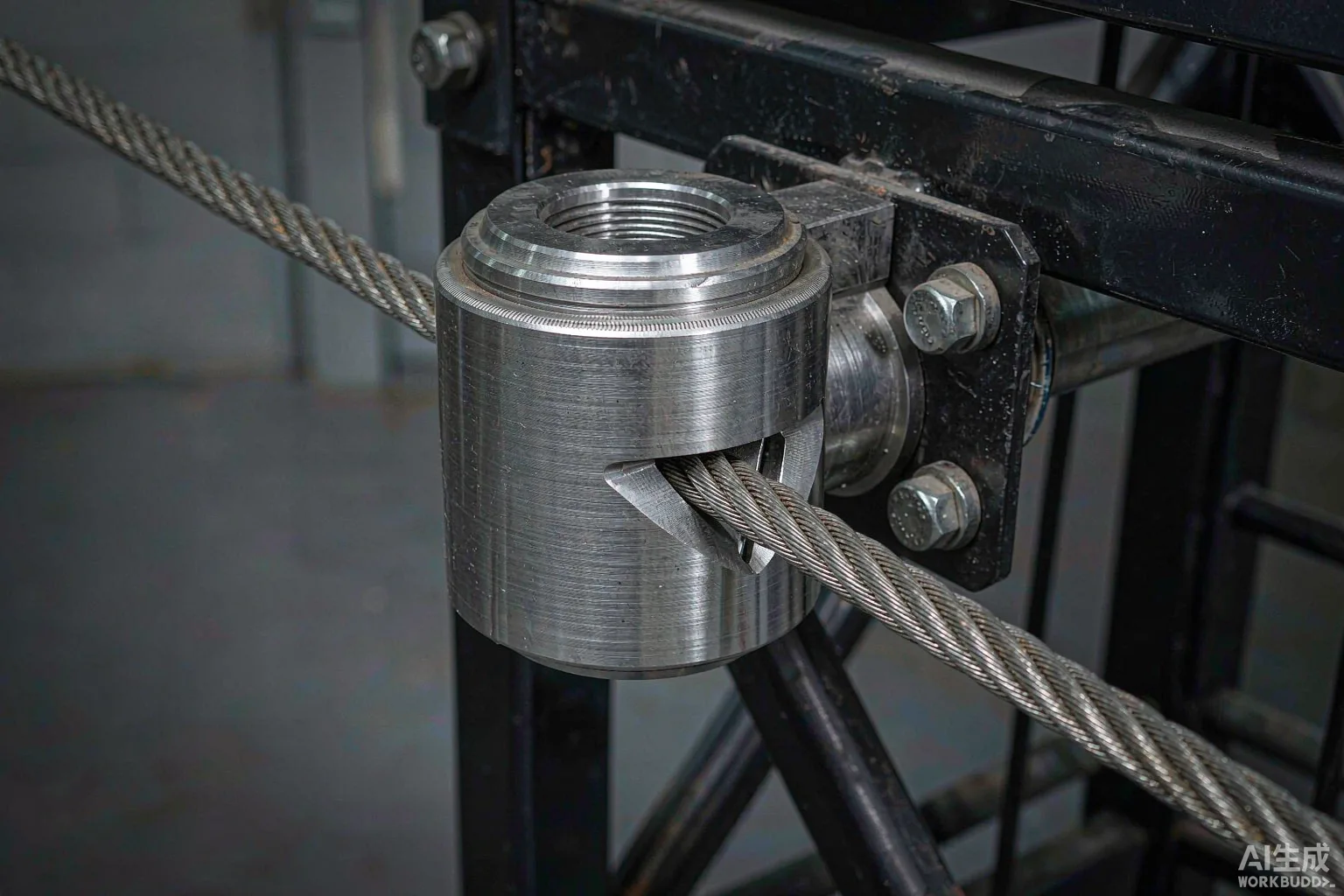
Chromium Coated Hollow Steel Bar: Properties and Industrial Applications
Hollow steel bar technology has become increasingly vital in modern engineering applications where weight reduction, structural integrity, and specialized functional requirements converge. The chromium coating process applied to hollow steel bar significantly enhances surface properties while maintaining the hollow core's advantageous characteristics. This article examines the material science, production techniques, and industrial applications of chromium coated hollow steel bar systems.
Material Properties and Coating Technology
The chromium coating applied to hollow steel bar provides exceptional corrosion resistance, wear protection, and surface hardness that significantly extends component service life. Electroplating or PVD (Physical Vapor Deposition) techniques ensure uniform chromium thickness typically ranging from 0.1 microns to 25 microns depending on application requirements. The base hollow steel bar material is commonly high-strength carbon steel (AISI 1045, 1060) or alloy steels (4140, 4340) selected for their tensile strength and fatigue resistance characteristics.
The hollow geometry of hollow steel bar provides a unique combination of high strength-to-weight ratio and design flexibility. Internal pressures can be contained or fluid/gas can be conveyed through the hollow core, making these components multifunctional elements in complex systems. Surface treatment through chromium coating preserves dimensional tolerances while preventing oxidation and chemical attack in aggressive environments.
Manufacturing Process and Quality Control
The production of chromium coated hollow steel bar involves a carefully controlled sequence of operations. Cold drawing establishes the base hollow geometry with precise wall thickness control. Subsequent heat treatment ensures proper grain structure and mechanical properties. Surface preparation involves degreasing, Pickling, and etching to ensure optimal adhesion of the chromium coating.
Quality control encompasses mechanical testing, coating thickness measurement, and adhesion testing. The hollow steel bar undergoes tensile testing to verify mechanical properties meet specification requirements. Coating uniformity is verified through X-ray fluorescence or eddy current testing methods that provide non-destructive evaluation of surface treatments.
Industrial Applications and Design Considerations
Chromium coated hollow steel bar finds extensive application in oil and gas pipelines, hydraulic cylinders, and pneumatic actuators. The corrosion-resistant chromium surface prevents rust formation in wet environments while the hollow core allows for fluid transport or wiring conduit inside the structural member. Aerospace applications utilize these components for lightweight structural elements where internal routing of hydraulic lines or cables improves system integration.
The hollow steel bar design must account for pressure containment requirements, buckling resistance, and fatigue life considerations. Wall thickness calculations balance structural demands against weight optimization. Surface finish requirements may include machining to specific tolerances after coating application to ensure proper assembly fit.
Environmental Resistance and Longevity
Chromium coatings provide outstanding resistance to atmospheric corrosion, making chromium coated hollow steel bar ideal for outdoor structures and marine environments. The passivation layer formed by chromium oxide protects the underlying steel from moisture penetration and oxidation. Salt spray testing demonstrates coating performance exceeding 1000 hours in aggressive coastal conditions before any signs of corrosion appear.
In industrial settings, chromium coated hollow steel bar maintains aesthetic appeal with bright, mirror-like surfaces that resist tarnishing. Chemical resistance extends to acids, alkalis, and solvents commonly encountered in processing equipment. These protective characteristics reduce maintenance requirements and eliminate the need for additional protective paints or enclosures. Environmental protection standards including REACH and RoHS directives are fully complied with through chrome recovery systems and wastewater treatment technologies used during coating processes.
Joining Methods and Fabrication
Fabrication of chromium coated hollow steel bar requires specialized techniques to preserve coating integrity. Welding practices include TIG, MIG, and laser welding with appropriate filler metals that match base material properties. Pre-heating and post-weld heat treatment may be necessary to prevent hydrogen embrittlement in high-strength grades.
Cutting operations using abrasive wheels or laser cutting must account for heat-affected zone development near the cut edge. Surface re-treatment after cutting may be required to restore corrosion protection. Threading operations benefit from the hardness provided by chromium coating, reducing thread wear and maintaining dimensional accuracy during assembly.
Automation and Modern Applications
The hollow steel bar is widely used in automation equipment where internal wiring or pneumatic tubing passes through the structural member. Robotics and automated guided vehicles employ these components for lightweight, high-strength frames. Medical equipment benefits from the smooth, cleanable chromium surface combined with the design flexibility of hollow sections for instrument handling and positioning systems.
Defense applications specify chromium coated hollow steel bar for vehicle armor, aircraft components, and maritime structures where corrosion resistance and structural integrity are mission-critical. The hollow geometry allows for integrated wiring conduits and fluid lines, reducing the number of external hoses and cables needed in complex assemblies.
Summary and Future Trends
The chromium coated hollow steel bar represents a sophisticated engineered component combining structural performance with environmental protection. As manufacturing continues toward lighter, more efficient designs, hollow section members with protective coatings gain market share across multiple industries. Development focuses on improving coating adhesion, reducing environmental impact of plating processes, and integrating smart features through embedded sensors within the hollow core. The convergence of materials science, surface engineering, and precision manufacturing defines the future of these versatile structural elements. Modern infrastructure projects extensively specify chromium coated hollow steel bar for bridge components, transmission towers, and seismic-resistant structures. The combination of lightweight hollow sections and corrosion-resistant surfaces enables longer spans and reduced foundation requirements. Wind turbine manufacturers utilize these components for blade spars and hub assemblies where weight reduction directly impacts energy generation efficiency and transportation costs. The future development of the hollow steel bar continues to drive innovation across sectors requiring high-performance, corrosion-resistant structural solutions for demanding applications worldwide.