Industrial equipment often works under harsh conditions where metal surfaces are exposed to constant wear, impact, and abrasion. In industries such as mining, cement, steel, power generation, and material handling, normal steel plates can wear out quickly.
Chromium Carbide Plates are designed to help solve this problem. They have a wear-resistant surface that can handle severe abrasion and extend the working life of equipment and components.
What Are Chromium Carbide Plates?
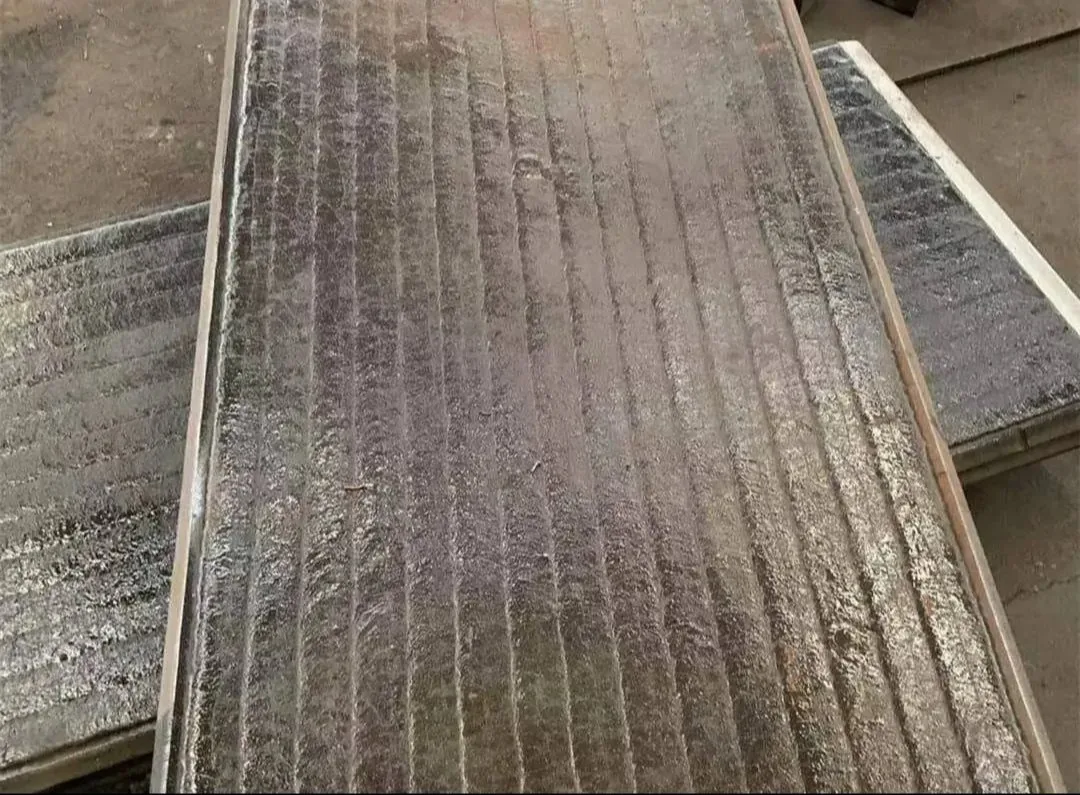
Chromium Carbide Plates are wear-resistant plates made by depositing a hard chromium carbide alloy layer onto a base steel plate. The hard overlay provides strong resistance against abrasive wear, while the base plate gives the component structural support.
These plates are commonly used in areas where materials such as coal, minerals, sand, rock, clinker, and other abrasive substances continuously move across a metal surface.
They are also commonly known as Chromium Carbide Overlay Plates or CCO Plates.
How Are Chromium Carbide Plates Made?
The manufacturing process generally involves depositing a chromium-rich alloy onto a steel base plate using an overlay welding process.
During welding, chromium and carbon combine to form hard chromium carbide particles. These particles are distributed through the wear-resistant layer and provide the hardness needed to resist abrasion.
The exact chemical composition, hardness, thickness, and manufacturing process can vary depending on the manufacturer and application.
Main Features of Chromium Carbide Plates
Chromium Carbide Plates have several features that make them useful for demanding industrial applications.
High Wear Resistance
The hard carbide layer helps protect the surface from continuous abrasive wear.
Long Service Life
When correctly selected for the application, these plates can last considerably longer than ordinary mild steel in severe abrasive conditions.
Strong Base Plate
The steel backing provides mechanical strength and allows the plate to be fabricated and installed on equipment.
Good Abrasion Resistance
They are particularly useful when equipment comes into contact with abrasive materials such as minerals, coal, sand, and rock.
Available in Different Sizes
Chromium Carbide Plates can be supplied in different thicknesses and dimensions according to equipment requirements.
Where Are Chromium Carbide Plates Used?
Chromium Carbide Plates are used in many industries where abrasion is a major concern.
Mining Industry
Mining equipment handles large quantities of rock, ore, and minerals. Components such as chutes, hoppers, crusher parts, and transfer points can experience severe wear.
Chromium Carbide Plates are used to protect these surfaces and reduce frequent replacement.
Cement Plants
Cement manufacturing involves abrasive materials such as limestone, clinker, raw materials, and cement. Wear plates are used in chutes, hoppers, conveyors, separators, and other equipment.
Power Plants
Coal handling and ash handling systems can expose equipment to continuous abrasion. Chromium Carbide Plates can be used in areas such as coal chutes, bunkers, hoppers, and transfer points.
Steel Industry
Steel plants use heavy machinery for handling raw materials, slag, coke, and other abrasive materials. Wear-resistant plates can help protect equipment from rapid surface damage.
Construction and Earthmoving
Equipment used for moving soil, stone, gravel, and other materials can experience significant abrasion. Wear plates can be installed in buckets, liners, hoppers, and other high-wear areas.
Recycling Industry
Recycling equipment may handle glass, metal, construction waste, and other abrasive materials. Chromium Carbide Plates can be used in selected areas to improve wear resistance.
Common Applications of Chromium Carbide Plates
These plates are used in many wear-prone components, including:
- Chute liners
- Hopper liners
- Crusher liners
- Conveyor liners
- Bucket liners
- Feeder liners
- Coal handling equipment
- Ash handling equipment
- Transfer chutes
- Wear liners
- Cyclone components
- Mining equipment
- Slurry handling equipment
The exact application depends on the type of wear involved and the operating conditions.
Benefits of Chromium Carbide Plates
Reduced Maintenance
Because the wear-resistant surface protects the equipment, maintenance and replacement requirements can be reduced.
Longer Equipment Life
Installing wear plates in high-wear areas can help extend the service life of the underlying equipment.
Less Downtime
Frequent wear-related repairs can interrupt production. A suitable wear-resistant lining can help reduce unplanned shutdowns.
Cost Savings
Although Chromium Carbide Plates can cost more than standard steel, their longer service life may reduce replacement, labor, and maintenance costs.
Suitable for Severe Abrasion
They are particularly useful in applications where ordinary steel wears too quickly.
Chromium Carbide Plates vs. Mild Steel
Mild steel is widely used for general fabrication because it is economical and easy to work with. However, it can wear quickly when exposed to continuous abrasive materials.
Chromium Carbide Plates have a specially designed wear-resistant layer that provides much higher resistance to abrasive wear.
For this reason, mild steel can be suitable for structural support, while Chromium Carbide Plates are often used on surfaces that directly experience severe wear.
What Factors Should Be Considered When Choosing Chromium Carbide Plates?
Not every application has the same wear conditions. Before selecting a plate, several factors should be considered.
Type of Wear
Determine whether the equipment is exposed mainly to abrasion, impact, sliding wear, or a combination of different wear mechanisms.
Material Being Handled
Coal, rock, sand, minerals, clinker, and other materials have different levels of abrasiveness.
Plate Thickness
The required thickness depends on the application, expected wear rate, available space, and structural requirements.
Base Plate
The base material should provide sufficient strength and support for the application.
Hardness
The hardness of the overlay is an important factor, but hardness should not be considered alone. The actual operating conditions also matter.
Operating Temperature
If the plate will operate at elevated temperatures, the material and overlay should be suitable for those conditions.
Installation of Chromium Carbide Plates
Proper installation is important for achieving good performance.
The plates may be cut, shaped, and attached according to the equipment design and manufacturer's recommendations. Welding procedures should be selected carefully because the wear-resistant overlay can behave differently from ordinary steel.
For curved surfaces, the plate may need to be formed using a suitable method. The installation process should be handled by trained personnel familiar with wear-resistant materials.
Maintenance of Chromium Carbide Plates
Even wear-resistant plates need regular inspection.
Operators should check for:
- Excessive wear
- Cracks
- Loose sections
- Damaged welds
- Distortion
- Uneven wear
- Damage to the supporting structure
Regular inspection helps identify problems early and allows maintenance to be planned before major equipment damage occurs.
Why Use Chromium Carbide Plates?
The main purpose of Chromium Carbide Plates is simple: to protect equipment from severe wear.
When abrasive materials continuously move through industrial equipment, replacing the complete component every time it becomes worn can be expensive and time-consuming. A wear-resistant plate can protect the surface and help the equipment operate for a longer period.
This makes Chromium Carbide Plates a practical choice for industries where abrasion is a regular part of production.
Conclusion
Chromium Carbide Plates are widely used wear-resistant materials for demanding industrial applications. Their hard chromium carbide overlay provides strong resistance to abrasive wear, while the steel base provides the necessary structural support.
They are commonly used in mining, cement, power generation, steel, construction, recycling, and material handling equipment.
Choosing the right plate requires consideration of the type of wear, material being handled, plate thickness, operating temperature, impact conditions, and installation method. When properly selected and installed, Chromium Carbide Plates can help reduce maintenance, extend equipment life, and minimize production downtime.
For more details contact us-
[email protected]
Phone-+91-98215-13630
Website-https://www.hard-tuff.com/hardtuff-cco-wearplate-grade-manufacturers-exporters-suppliers-stockists.html