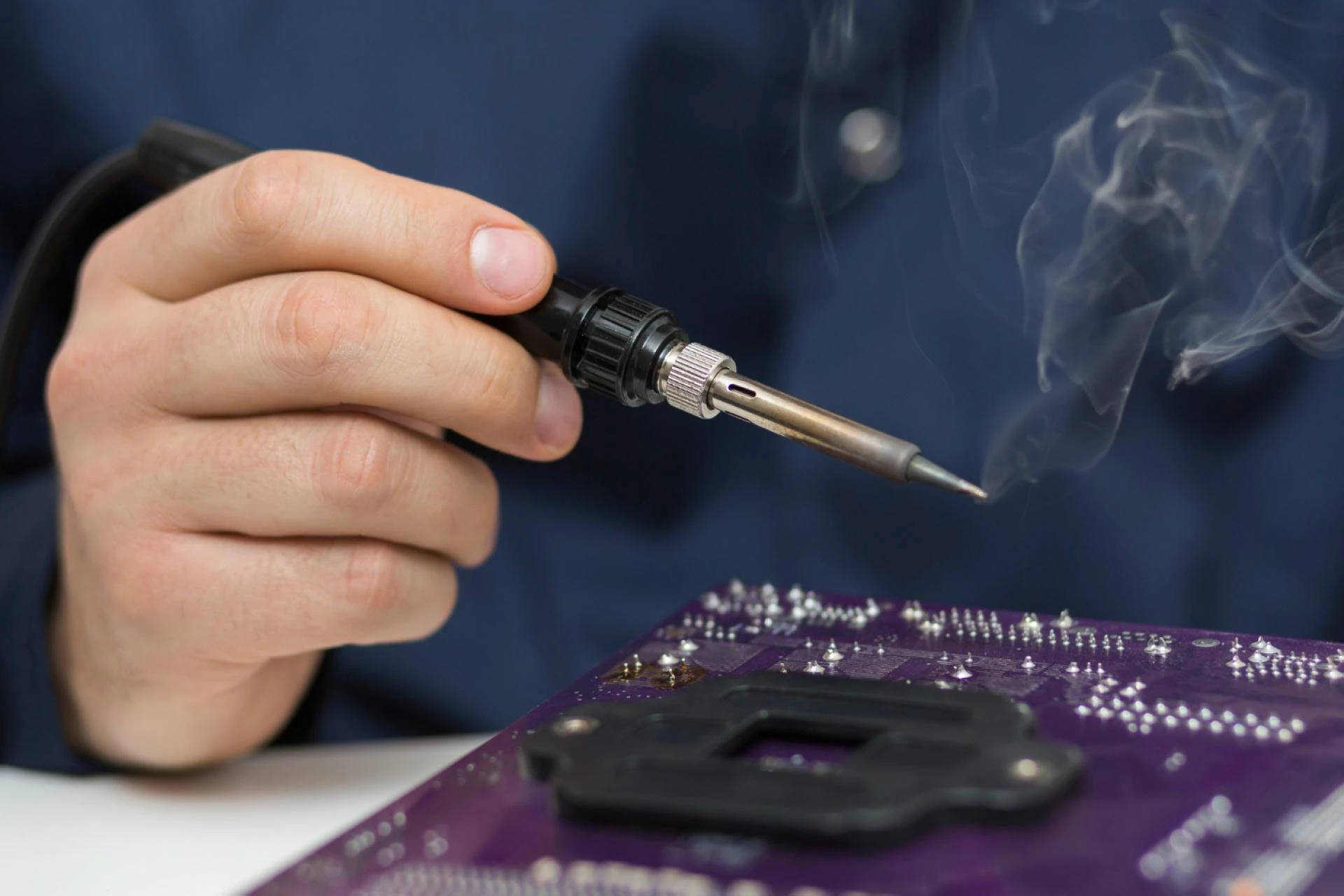
In modern electronics manufacturing, precision is not just a requirement—it is the foundation of product reliability and performance. From compact consumer devices to complex industrial systems, the quality of printed circuit boards (PCBs) directly influences the efficiency and durability of the final product. At the heart of this process lie two essential components: circuit board drills and spindle parts. Together, they enable accurate drilling, smooth operation, and consistent production output.
The Role of Circuit Board Drills in PCB Fabrication
PCB manufacturing involves drilling hundreds, sometimes thousands, of micro-holes into a board to create pathways for electrical connections. This process demands extreme accuracy, as even the slightest deviation can compromise the integrity of the entire circuit.
Circuit board drills are specifically engineered to meet these high-precision requirements. Typically made from solid carbide or coated with advanced materials, these drills are designed to maintain sharpness and durability even under high-speed conditions. Their micro-scale diameters allow manufacturers to create clean, accurate holes without causing damage to surrounding materials.
Another critical factor is heat management. During drilling, excessive heat can lead to tool wear or material deformation. High-quality circuit board drills are designed to dissipate heat effectively, ensuring longer tool life and consistent results across large production runs.
Understanding the Importance of Spindle Parts
While drills are the cutting tools, spindle parts form the backbone of the drilling system. The spindle is responsible for holding and rotating the drill at extremely high speeds, often exceeding tens of thousands of revolutions per minute. This rotation must be perfectly balanced to prevent vibration, which can negatively impact hole accuracy and tool longevity.
Precision-engineered spindle parts ensure stability and alignment during operation. Components such as bearings, collets, and shafts must be manufactured to tight tolerances to maintain smooth rotation. Any imbalance or wear in these parts can result in poor hole quality, increased scrap rates, and costly downtime.
In high-performance manufacturing environments, investing in durable and well-maintained spindle parts is just as important as selecting the right drill bits. Together, they create a system that delivers consistent, high-quality output.
Material Selection and Coatings
Both circuit board drills and spindle parts benefit significantly from advanced material technologies. Carbide remains a popular choice due to its hardness and resistance to wear. Additionally, specialized coatings such as diamond-like carbon (DLC) or titanium nitride (TiN) enhance performance by reducing friction and improving heat resistance.
For circuit board drills, coatings help maintain cutting efficiency over extended periods, especially when working with abrasive materials like fiberglass-reinforced laminates. For spindle parts, high-quality materials ensure structural integrity and resistance to mechanical stress, even under continuous operation.
Precision and Tolerance in Manufacturing
One of the defining characteristics of PCB production is the need for extremely tight tolerances. Even a minor misalignment can lead to connectivity issues or product failure. This is why both circuit board drills and spindle parts are manufactured with meticulous attention to detail.
Advanced CNC machining and quality control processes are used to ensure that each component meets exact specifications. This level of precision not only improves product quality but also enhances operational efficiency by reducing errors and rework.
Maintenance and Longevity
Proper maintenance is essential for maximizing the lifespan of both circuit board drills and spindle parts. Regular inspection, cleaning, and timely replacement of worn components can prevent unexpected failures and maintain consistent performance.
For drills, this includes monitoring wear and replacing them before they lose cutting efficiency. For spindle systems, lubrication and alignment checks are critical to ensuring smooth operation. A proactive maintenance strategy helps manufacturers avoid costly downtime and maintain production schedules.
Enhancing Efficiency in Modern Manufacturing
As the demand for smaller, more complex electronic devices continues to grow, manufacturers must adopt tools and technologies that support higher precision and efficiency. High-quality circuit board drills enable faster drilling speeds without compromising accuracy, while reliable spindle parts ensure stable and continuous operation.
Automation and smart manufacturing systems further enhance these capabilities by integrating real-time monitoring and performance optimization. This allows manufacturers to detect issues early and make adjustments to maintain optimal performance.
Conclusion
In the world of electronics manufacturing, success depends on the seamless integration of precision tools and reliable machinery. Circuit board drills play a crucial role in creating accurate electrical pathways, while spindle parts provide the stability and performance needed to support high-speed operations.
By investing in high-quality components, maintaining them properly, and leveraging advanced technologies, manufacturers can achieve superior results and stay competitive in an increasingly demanding industry.