One of the most important equipment selections a hiker can make is choosing the right length trekking bag. The proper PC Size ensures you've got enough space for your equipment without overloading yourself or sacrificing comfort whether you are heading out for a few hours or embarking on a week-long backcountry trek, deciding on a p.c. The proper ability could make or wreck your ride.
In this manual, we'll explore how to pick the right length trekking bag based on journey length, kind of terrain, climate conditions, and personal packing style. By the time you quit, you will be equipped to choose a bag that suits your desires flawlessly.
Understanding Hiking Bag Sizes
Hiking luggage is generally measured in litres, relating to the internal quantity of the primary compartment and any extra wallet. While those numbers provide you with a fashionable concept of ability, how many tools you may carry also relies upon the percent design, functions, and your packing efficiency.
Common Capacity Ranges:
- 10–20 litres: Ultralight or minimalist day hikes
- 20–35 litres: Day hikes with variable climate or longer intervals
- 35–50 litres: Overnight trips or ultralight multi-day hikes
- 50–70 litres: Multi-day hikes, particularly with chillier weather tools
- 70+ litres: Extended expeditions, icy camping, or tools-heavy adventures
Day Hikes (10–35 Litres)
For quick journeys where you're out for some hours to a complete day, a daypack in the 15–30 litre range is generally ideal. These packs are lightweight and designed to carry necessities together with water, snacks, a first-rescue package, rain tools, and possibly a camera or greater layer.
If your hike involves unpredictable climate, youngsters, or multiple layers, a slightly larger p.C. (25–35 litres) gives you room for extras. Many daypacks, moreover, consist of hydration bladder compatibility and an outdoor mesh wallet for clean access to water bottles and other systems.
Recommended duration: 20–35 litres
Overnight Trips (35–50 Litres)
If your hike consists of one night on the path, you will want to carry more than just the fundamentals. A snoozing bag, napping pad, small tent or bivy sack, cooking gadget, meals, and extra apparel all need to fit inside your pack.
Backpacks in the 35–50 litre range are perfect for these conditions. They provide sufficient area without being overly cumbersome. This is also the desired length for ultralight hikers who've compact gear and minimalist setups for multi-day trips.
When packing efficaciously, forty–45 litres is regularly sufficient for a cushty one-night trip with three-season tools.
Recommended size: forty–50 litres
Multi-Day Hikes (50–70 Litres)
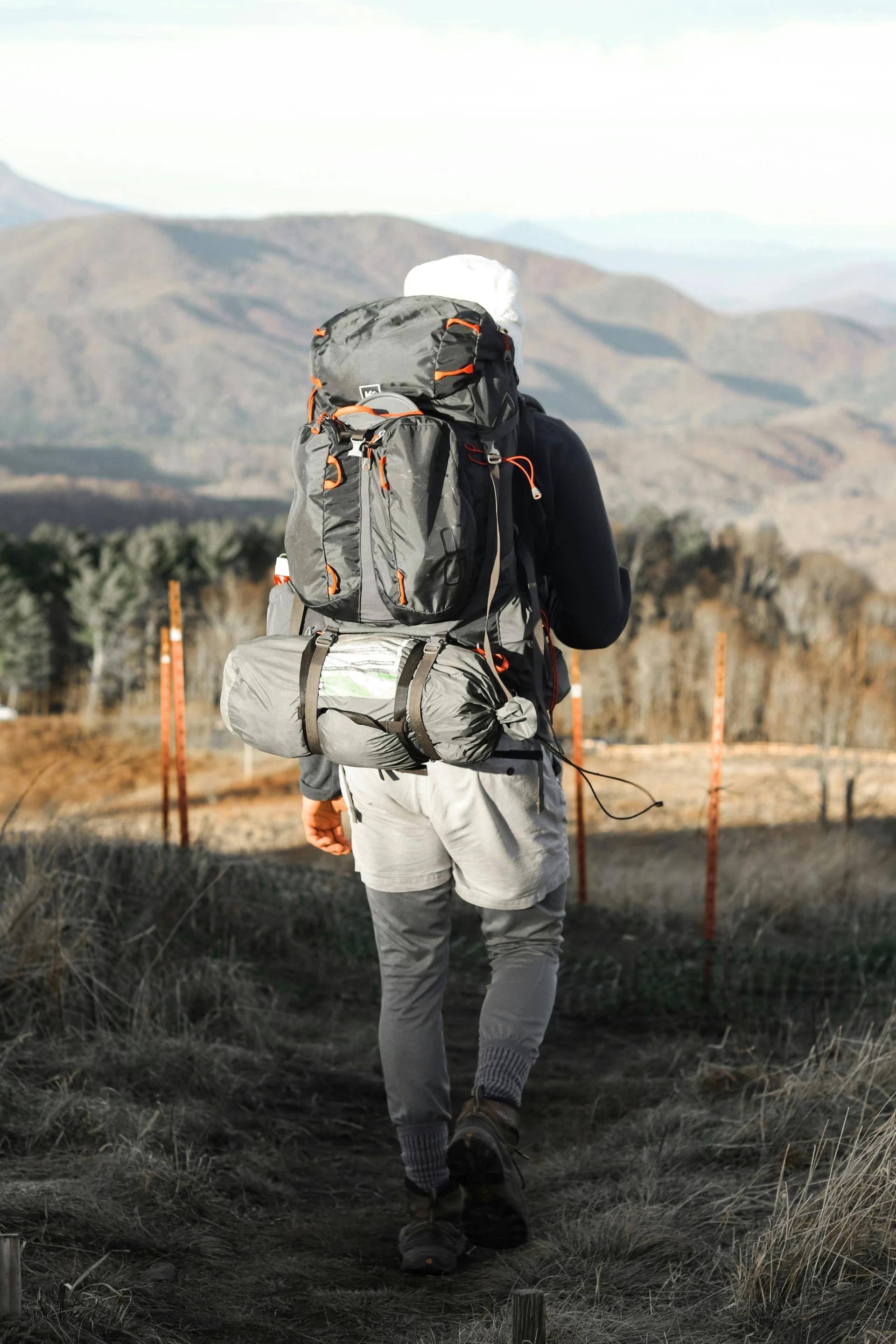
For journeys lasting 2 to five days, a bigger % is essential. The 50–70 litre range is designed for sporting, no longer simply your simple refuge and food, but additionally spare apparel, a bulkier sleeping system, canisters, and likely extra equipment like a stove, fuel, or a camera setup.
These luggage usually function with inner frames to assist heavier loads, padded hip belts for comfort, and cargo lifters to shift the burden towards your rear. They frequently come with a couple of booths and get entry to points, making it less complicated to organize your equipment.
This length class is the candy spot for many backpackers. Even if you're now not maxing out the capability, the more room you have, the more flexibility you will have for sudden situations.
Recommended length: 55–65 litres
Extended Trips and Expeditions (70+ Litres)
When you're venturing out for a week or extra, especially in remote or cold environments, you'll need the largest hiking bag available. Bags inside the 70-litre and above class are perfect for mountaineering, wintry weather camping, and lengthy-distance trekking in which self-sufficiency is vital.
These packs accommodate greater meals, bulky, bloodless-climate clothing, climbing tools, and heavy-duty napping structures. However, they're regularly heavier even when empty and might feel unwieldy on narrow or rugged trails.
This length is normally not recommended for beginners until they need it. Overpacking is a commonplace threat with large-capacity bags, which could lead to soreness and imbalance on the path.
Recommended size: 70–85 litres (simplest while necessary)
Factors to Consider Beyond Trip Length
1. Your Packing Style
Are you a minimalist who uses ultralight tools, or do you decide on a touch of extra consolation? Ultralight hikers can frequently pack everything they want in 35–45 litres, while others might also want 60 litres or greater for the identical ride.
2. Season and Weather
Colder weather makes bulkier dozing luggage and apparel. You'll want extra space for insulation layers, a thicker sleeping pad, and probable wintry weather equipment like crampons or snowshoes. Always size up for winter trips.
3. Food and Water Needs
Longer journeys or those in arid areas may also require you to hold more meals and water. Consider how much area your meals storage and water packing containers will soak up, especially if reusable canisters are required.
4. Group vs. Solo Travel
If you're sharing tools with others, like tents or a cooking device, you can use a smaller PC.. Solo hikers generally want to carry the whole thing themselves, requiring more space.
Final Tips for Choosing the Right Size
- Try it on absolutely loaded: Pack your gear and take a look at exceptional luggage before heading out. The great bag isn't just the only one that fits the entirety—it's the one that suits you well.
- Don't overpack simply because there's an area. Choose a length appropriate to your desires to avoid unnecessary weight.
- Use compression and company: Packing cubes and compression sacks help maximize area without increasing your % length.
- Look for external attachment factors: If you want a smaller bag but have some cumbersome equipment (like a foam slumbering pad), external straps can assist.
Conclusion
Choosing the proper size hiking bag isn't just about capacity—it's about the terrain, weather, and personal style. For quick day hikes, a 20–30 litre pack. Will do. For overnighters, aim for 40–50 litres. Multi-day adventures call for 50–70 litres, and something longer or extra excessive may require a 70+ litre excursion percentage.
Ultimately, the satisfactory hiking bag is the one that helps you ride without weighing you down. With the proper length %, every step on the path turns into easier and more enjoyable.