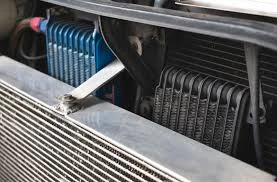
Below is a clear, step-by-step look at how to choose the best oil cooler for your performance vehicle.
1. Why Your High-Performance Vehicle Needs an Oil Cooler
High-performance engines operate at higher loads and temperatures. Without proper cooling, engine oil can:
- Break down chemically, losing its lubricating ability
- Thin out, reducing film strength between moving parts
- Cause premature engine wear or failure
An oil cooler increases the surface area for heat dissipation and keeps oil temperatures in a safer range, especially under sustained high engine loads.
2. Key Factors Before You Choose
a. Your Driving Style
- Street driving: Moderate temp control, focus on reliability and longevity
- Track or autocross: High heat, aggressive cooling required
- Towing/Heavy load: Sustained elevated oil temps; larger coolers beneficial
Know your scenario first. A cooler designed for heavy track use may be overkill for casual street driving, and vice versa.
3. Main Types of Oil Coolers
**a. Tube-and-Fin Coolers
- Best for: Street use, mild performance
- Pros: Affordable, lightweight, compact
- Cons: Limited cooling capacity at very high loads
**b. Plate-Fin Coolers
- Best for: Track cars, forced induction
- Pros: Excellent heat dissipation, efficient airflow
- Cons: Typically larger and more expensive
**c. Stacked-Plate / Sandwich Plate Coolers
- Best for: Tight-space applications
- Pros: High cooling efficiency in a compact package
- Cons: Pricier and may require custom plumbing
4. Sizing Your Oil Cooler
Choosing the right cooler size depends on:
a. Core Surface Area
More surface area = better heat rejection.
- Small cores → good for street use
- Large cores → recommended for racing or high boost
b. Airflow Availability
Where will the cooler be mounted?
- Front bumper: Best airflow
- Behind grille: Still effective
- Fender / side mounts: Adequate but needs ducting
Tip: Bigger isn’t always better—if airflow is restricted, oversized coolers can disrupt engine bay aerodynamics and offer diminished returns.
5. Hose & Fitting Considerations
Use high-quality fittings and hoses rated for elevated pressures and heat:
- AN-style fittings are common (e.g., AN-10, AN-12)
- Avoid cheap rubber hoses—opt for braided stainless or silicone
- Correct hose length and routing avoids kinks and rubbing
6. Thermostatic Oil Coolers (When to Use Them)
Thermostatic oil coolers include a valve that:
- Blocks flow at low temps (helps engine warm up quickly)
- Opens once oil reaches a target temperature
Benefits:
- Faster warm-up times
- More consistent oil temps
- Less overcooling in cold climates
Best for: Daily-driven performance cars and engines sensitive to overcooling.
7. Installation Tips That Make a Difference
✔ Position for airflow: Top priority
✔ Secure mount points: Prevent vibration fatigue
✔ Avoid sharp bends/kinks in hoses
✔ Bleed air pockets: Ensures efficient flow
✔ Check for leaks under pressure
8. Maintenance & Monitoring
- Periodically check for debris on the cooler fins
- Inspect hoses/fittings for wear or leakage
- Consider adding an oil temp gauge to monitor system performance
Keeping an eye on oil temperature helps you decide if your cooler is adequate or if further upgrades are needed.
9. Common Mistakes to Avoid
🚫 Choosing largest cooler regardless of airflow
🚫 Ignoring hose and fitting quality
🚫 Mounting in low-airflow locations
🚫 Forgetting a thermostat in climates with wide temp swings
10. Bottom Line: Match the Cooler to Your Needs
Ask yourself:
- How hard do I push my vehicle?
- How much space and airflow do I have?
- Do I need temperature control (thermostat)?
Once you answer these, selecting the right oil cooler becomes far easier—and your engine will thank you with increased performance and longevity.