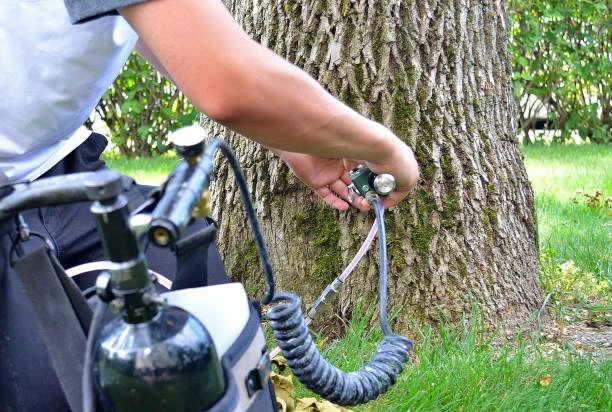
Ash trees are a beloved part of landscapes, providing shade, aesthetic appeal, and ecological benefits. However, these trees are under constant threat from invasive pests, particularly the emerald ash borer (EAB), which has devastated ash populations across the globe. To protect these valuable trees, tree care professionals and homeowners often turn to insecticide injections. However, choosing the right insecticide for ash tree injections is critical for effective pest control, tree health, and environmental safety.
Understanding the Threat: Emerald Ash Borer
The emerald ash borer is a metallic green beetle that primarily targets ash trees. Its larvae burrow into the tree's cambium layer—the region responsible for nutrient transport—causing irreversible damage and often tree death within a few years. Detecting an EAB infestation early is challenging, as visible signs, such as canopy thinning or bark splitting, often appear only after the infestation has progressed.
Because systemic insecticides delivered through tree injections directly enter the vascular system of the tree, they are highly effective at controlling EAB and other ash pests. However, not all insecticides are created equal, and the choice depends on several factors including the type of pest, tree size, age, health, and environmental considerations.
Types of Insecticides for Ash Tree Injections
When it comes to injecting insecticides into ash trees, professionals typically rely on systemic insecticides. Systemic insecticides are absorbed by the tree and transported throughout its vascular system, protecting it from the inside out. There are three primary classes of insecticides used in ash tree injections:
1. Neonicotinoids
Neonicotinoids, such as imidacloprid and dinotefuran, are among the most commonly used insecticides for ash tree injections. These chemicals disrupt the nervous system of the emerald ash borer, leading to death.
Advantages:
- Highly effective against EAB larvae.
- Long-lasting protection; some products offer protection for up to two years.
- Minimal impact on surrounding vegetation.
Considerations:
- Potential toxicity to pollinators such as bees. Proper timing and method of application are critical to minimize risk.
- May require repeated applications for heavily infested trees.
2. Anthranilic Diamides
Chlorantraniliprole is a newer class of insecticide used in tree injections. It works by affecting calcium channels in insect muscle cells, causing paralysis and death.
Advantages:
- Highly selective and less harmful to non-target insects.
- Effective against a variety of wood-boring insects.
- Long residual activity, which means fewer injections are needed over time.
Considerations:
- May take longer to control a severe infestation compared to neonicotinoids.
- Typically, more expensive than other systemic options.
3. Organophosphates
Though less commonly used today due to environmental concerns, organophosphates such as acephate can be used in specific scenarios. They inhibit acetylcholinesterase in insects, leading to nervous system failure.
Advantages:
- Rapid action on target pests.
- Can be effective for trees under severe pest pressure.
Considerations:
- Higher toxicity to humans and non-target wildlife.
- Restricted use in many areas due to environmental regulations.
Key Factors to Consider When Choosing an Insecticide
Choosing the right insecticide for ash tree injections involves more than simply picking a chemical. Several key factors must be taken into account:
1. Type of Pest
While the emerald ash borer is the primary threat to ash trees, other pests such as the ash-lilac borer may also affect the tree. Selecting an insecticide effective against the specific pest is crucial. Neonicotinoids and chlorantraniliprole are highly effective against EAB, but if other pests are present, additional treatment strategies may be required.
2. Tree Size and Age
Tree injections are most effective on healthy trees with a strong vascular system. Large, mature trees may require more insecticide or multiple injection points to ensure proper distribution. Younger trees often require lower doses but may need more frequent treatments.
3. Tree Health
A stressed or weakened tree may not transport insecticides effectively. Trees suffering from drought, disease, or other stressors may require pre-treatment care to improve overall health before injections are administered. This ensures optimal absorption and efficacy of the insecticide.
4. Environmental Considerations
Some insecticides pose a higher risk to beneficial insects and surrounding vegetation. Chlorantraniliprole is preferred when protecting pollinators is a priority, whereas neonicotinoids, while highly effective, must be used with care during flowering periods to reduce impact on bees.
5. Timing of Application
Insecticide injections are most effective when applied at specific times of the year, typically in the spring or fall when the tree is actively transporting nutrients. Timing ensures the chemical moves efficiently throughout the tree, reaching all tissues where pests may be feeding.
Best Practices for Ash Tree Injections
Proper application of insecticide is as important as the chemical itself. Here are best practices to follow:
- Professional Assessment: Always consult a certified arborist to assess the severity of infestation and recommend the right insecticide and dosage.
- Correct Dosage: Over- or under-dosing can reduce effectiveness and may harm the tree.
- Proper Injection Technique: Use recommended equipment and techniques to minimize wounding and ensure even distribution of the insecticide.
- Follow Regulations: Adhere to local regulations regarding pesticide use to ensure safety and environmental compliance.
- Regular Monitoring: Inspect treated trees periodically to monitor health and pest activity. Repeat injections may be necessary based on infestation levels and product residual activity.
Advantages of Using Tree Injections
Tree injections offer several benefits compared to other pest control methods:
- Targeted Treatment: Delivers insecticide directly to the tree, minimizing environmental contamination.
- Long-Lasting Protection: Systemic insecticides can provide protection for one to two years.
- Effective Against Hidden Pests: Targets pests that live beneath the bark or inside the tree, where sprays and soil treatments may not reach.
Environmental and Safety Considerations
While insecticide injections are effective, they must be used responsibly. Misuse can harm beneficial insects, wildlife, and even human health. Always wear protective gear during application and follow product label instructions carefully. Additionally, consider integrated pest management (IPM) strategies that combine chemical treatments with cultural practices such as maintaining tree health, removing heavily infested trees, and encouraging natural predators.
Conclusion
Choosing the right insecticide for ash tree injections is critical for maintaining tree health and controlling invasive pests like the emerald ash borer. Neonicotinoids, anthranilic diamides, and, in some cases, organophosphates offer effective solutions, but selection depends on pest type, tree size, health, and environmental factors. By carefully assessing the situation, following best practices, and consulting with professional arborists, tree owners can protect their ash trees from devastating infestations and ensure these valuable trees continue to thrive in our landscapes.
In the fight against pests threatening ash trees, informed decisions about insecticide selection and application are the first step toward long-term tree health and sustainability. Whether in urban streetscapes or backyard gardens, a well-chosen insecticide injection can mean the difference between preserving a beautiful ash tree for generations or losing it to the silent devastation of invasive pests.