
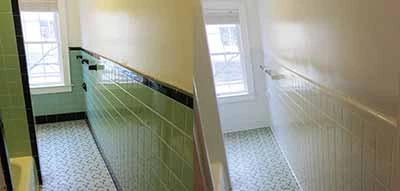
A cracked bathtub or damaged tiles can quickly turn a relaxing bathroom into a source of stress. Water damage, mold growth, and unsightly cracks are not just cosmetic issues; they can become costly problems if left untreated. That’s why finding the right professional for bathtub tile repair and general tub restoration is essential. But how do you choose a contractor you can trust? This guide will walk homeowners through the key questions to ask, ensuring your bathroom repair is handled safely, efficiently, and effectively. Keep reading.
Understanding Common Bathtub Issues
Before diving into the process of hiring a contractor, it’s helpful to know the typical problems that homeowners face:
- Cracked or Chipped Bathtub Surfaces – Daily use, accidental impacts, and age can cause chips or cracks in your bathtub, which can worsen over time.
- Loose or Broken Tiles – Tiles around the bathtub may loosen or crack due to water exposure or improper installation.
- Stains and Discoloration – Hard water, soap scum, and mildew can leave stains that are difficult to remove with standard cleaning.
- Leaks and Water Damage – Water escaping through cracks or grout gaps can damage the subfloor and create mold risks.
Addressing these issues promptly with the help of a professional bathtub repair contractor ensures your bathroom remains safe, functional, and aesthetically pleasing.
Why Hiring the Right Contractor Matters?
Not all bathtub repair services are created equal. While some may offer quick fixes, the durability and quality of the repair depend on skill, experience, and the materials used. Hiring the wrong contractor can result in recurring problems, incomplete repairs, or even additional damage. A professional contractor ensures:
● Proper assessment of the damage.
● Safe handling of materials and chemicals.
● Long-lasting results for both the bathtub surface and surrounding tiles.
● Compliance with local building codes and standards.
The right choice saves homeowners both time and money, while guaranteeing peace of mind.
Key Questions to Ask a Bathtub Repair Contractor
When interviewing potential contractors, asking the right questions can make all the difference. Here are the essential points to cover:
Are You Licensed and Insured?
This is non-negotiable. A licensed contractor demonstrates credibility and compliance with local regulations. Insurance protects you in case of accidents or damage during the repair process. Always request proof of both before signing any agreement.
How Much Experience Do You Have?
Experience matters, especially for specialized services like bathtub tile repair. Ask how long the contractor has been in business, the types of materials they work with, and if they’ve handled similar issues in bathrooms like yours. Experienced contractors can anticipate problems and offer practical solutions.
Can You Provide References or Examples?
A reputable contractor should have a portfolio of completed projects and satisfied clients. Request before-and-after photos and reach out to references to confirm the quality and reliability of their work.
What Materials and Techniques Do You Use?
The longevity of a repair often depends on the materials and techniques used. For instance, epoxy resurfacing or professional-grade grout can significantly extend the life of your bathtub and tiles. A contractor should explain their approach clearly and provide alternatives if necessary.
Do You Offer a Warranty?
A warranty reflects confidence in workmanship. Ask about coverage, duration, and what it includes. Whether it’s for the bathtub surface, tile installation, or grout work, a warranty gives you protection against future issues.
What Is the Estimated Timeline and Cost?
Get a detailed estimate that includes labor, materials, and any potential extra costs. While affordability is important, prioritize quality and reliability over the lowest price. A professional bathtub repair contractor will provide transparency and realistic timelines.
Red Flags to Watch Out For
When choosing a contractor, being aware of warning signs can save headaches later:
● Lack of References or Portfolio – A contractor unwilling to share past work may be hiding poor results.
● No Written Estimate or Contract – Always get terms and pricing in writing.
● Pushy Sales Tactics – High-pressure offers or urgent upsells often indicate unreliable service.
● Unclear Materials or Techniques – If a contractor cannot explain their methods clearly, it could result in low-quality repairs.
Avoiding these red flags ensures you hire a contractor who is trustworthy and skilled.
Preparing Your Bathroom for Repair
Once you’ve chosen the right contractor, proper preparation can streamline the process:
- Clear the Area – Remove personal items, rugs, and shower curtains.
- Inspect for Existing Damage – Note any leaks, mold, or structural concerns to discuss with the contractor.
- Confirm Access – Ensure the contractor can easily access water lines, drains, and the bathtub area.
- Plan for Downtime – Some repairs, especially resurfacing or tile replacement, may require the bathroom to be out of use for a day or more.
Preparation helps the repair team work efficiently and minimizes disruptions to your daily routine.
Benefits of Professional Bathtub Tile Repair
Hiring a skilled bathtub repair contractor offers several advantages:
● Durable Results – Professional repairs last longer than DIY fixes.
● Cost Efficiency – Prevents costly replacements by addressing minor issues early.
● Improved Aesthetics – Restores the bathtub and tiles to a like-new condition.
● Enhanced Safety – Eliminates cracks, sharp edges, and water leaks that could cause accidents.
● Peace of Mind – Knowing your bathroom is repaired by a certified professional reduces stress and uncertainty.
Tips for Maintaining Your Bathtub After Repair
Once your bathtub is repaired, proper care ensures it stays in top condition:
- Regular Cleaning – Use mild cleaners and avoid abrasive scrubbing.
- Prevent Water Damage – Fix leaks promptly and keep grout lines sealed.
- Address Chips Quickly – Small cracks can expand over time if ignored.
- Avoid Harsh Chemicals – Bleach or strong cleaners can damage resurfaced tubs and grout.
- Schedule Periodic Inspections – Have a contractor check for wear or water damage every few years.
Maintaining your bathtub prolongs its life and preserves your investment in quality repairs.
Conclusion
Choosing the right bathtub repair contractor is about more than just cost—it’s about trust, experience, and quality. By asking the right questions, checking references, and understanding the repair process, homeowners can ensure their bathtub and surrounding tiles are restored safely and effectively. A professional repair not only solves immediate problems but also protects your home from future damage, enhances bathroom aesthetics, and gives lasting peace of mind.
Investing in a reliable contractor is an investment in your home’s comfort, safety, and value. When it comes to bathtub tile repair, don’t settle for anything less than a professional who delivers expertise, quality, and assurance with every project.