If you are exploring an alkaline water ionizer for your home, you need to compare the models, features, and health claims. A smart alkaline water purifier not only purifies and raises pH, but also meets your specific needs.
This is a comprehensive guide for choosing the right alkaline water purifier for your home, the features you should look for, and why it is a good decision to invest in an alkaline water ionizer.
How to Choose the Right Water Purifier?
Here is a step-by-step guide to help you compare the various machines over these key factors and make the right choice:
Step 1: Understanding What an Alkaline Water Ionizer Does
The machine has two jobs: purifying the water and elevating its pH.
A good ionizer uses multi-stage filtration for sediment and carbon, high-recovery RO, or Nano Filtration, plus ESS silver ion technology before electrolysis.
After purification, the water passes through an electrolyzer cell, producing the type of water you prefer. Advanced machines make five types of water: neutral, acidic, mild alkaline, strong alkaline, and hydrogen water.
Knowing this helps you frame your alkaline water ionizer comparison: you are not just buying “high pH water,” but a system that crafts different water types for drinking, cooking, medicine, and sanitization.
Step 2: Start With Your Source Water
An alkaline water ionizer can have different water purification technologies, such as RO and nanofiltration. Which one you need depends on the inlet water TDS.
Check out the different TDS levels based on the source:
● City / Municipal Water (150–400 ppm TDS): Nanofiltration is best for such water types, as TDS levels are low. It retains essential minerals, maintains conductivity for better electrolysis, and still removes physical, biological, and chemical impurities.
● Mixed or Higher TDS Sources (borewell/tanker up to ~1500 ppm): This water type requires a high-recovery RO membrane with ESS and an ionizer cell, making it suitable for a wider TDS range.
Matching technology to TDS is crucial for making a sensible decision, as over-treating soft water with RO can make it too flat; under-treating high-TDS water can leave contaminants behind.
Step 3: Compare Purification Backbones
When you evaluate an alkaline water ionizer, look first at the purification architecture:
RO + ESS + Alkaline Crafter
The systems with this combination offer:
● Built-in RO for broader TDS.
● HRR cartridge for higher water recovery.
● Alkaline Crafter to add minerals when TDS is low, ensuring strong alkaline and hydrogen performance.
Nano Filtration + ESS
The systems with this combination offer:
● NF tuned for 150–400 ppm city water
● Retains the beneficial minerals while stripping contaminants
● Maintains ideal conductivity for electrolysis and visible hydrogen bubbles
You must ask before investing- “What’s cleaning my water before it’s ionized?
Step 4: Think About Kitchen Integration
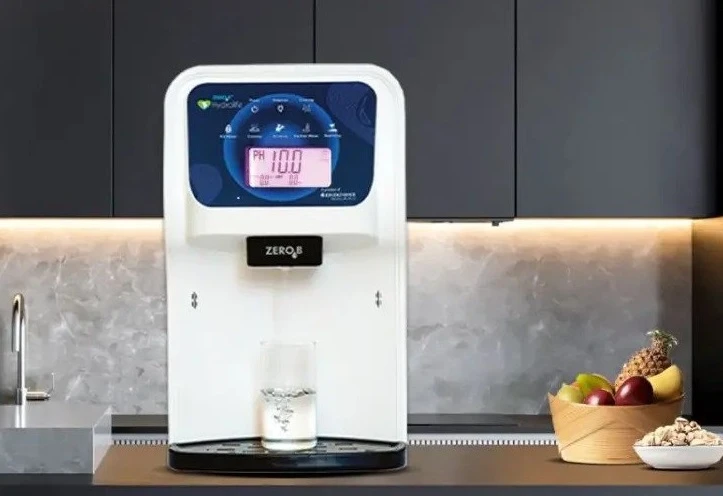
A modern alkaline water ionizer should also make your kitchen smarter, not messier. Thus, reputable brands offer countertop, wall-mounted, and under-sink water ionizers, machines that can fit in every kitchen.
Under-sink models are great because they hide the unit, leaving you to see only the nozzle, providing fresh, clean water with every glass.
Tabletop models are great at keeping everything at the counter level.
When you don’t have countertop or under-sink space, a wall–mounted unit is the best choice.
You also need an LED display for controls and automatic electrode cleaning to avoid maintenance hassle.
If you are doing an alkaline water ionizer comparison for a busy household, these details are the difference between a showpiece and a genuinely used home hydration system.
Step 5: Check Warranty, Service, and Long-Term Cost
A good buying guide on how to choose water purifier technology always ends with service:
● The longer the warranty, the more you can trust the brand. Many reputable brands offer up to 5 years of warranty, making them strong contenders for your choice.
● Get a customized maintenance contract to keep maintenance and filter changes predictable.
● You need to consider the hidden water cost along the line, too. Choose a machine that reduces reject water, thereby lowering hidden water costs over the years.
An alkaline water ionizer cost should be analyzed over 7-10 years. The savings from bottled water should also be factored in. The health benefits you accrue over the years should also be considered, and you will find that the long-term value of an alkaline water ionizer outweighs the upfront cost.
Conclusion
Choosing the right alkaline water ionizer isn’t an easy decision, because it’s not just another appliance in your kitchen, but a crucial component to keep your family healthy. It’s not just something that sits on your counter or under your sink, but it actively supports your family’s hydration, comfort, and long-term wellness.
So, choose wisely by conducting a thorough comparison of alkaline water ionizers and ensure your family’s health.