Road construction is a complex process that demands the right combination of planning, workforce, and, most importantly, equipment. Whether you are working on a small rural pathway, a mid-sized city street, or a large national highway, the equipment you choose can make or break the success of the project. Selecting the right machinery ensures efficiency, reduces costs, improves safety, and helps complete projects on schedule.
In this blog, we will explore how to choose the right road construction equipment depending on the size and scope of your project, along with the factors you need to consider before making a decision.
Why Equipment Selection Matters in Road Construction
Every road construction project is unique in its requirements. A small project may only need basic machinery, while large-scale infrastructure development often demands a combination of heavy-duty, technologically advanced equipment. Using equipment that is either too small or too large for the task can lead to delays, higher operational costs, and maintenance challenges.
The key is to align project size, scope, and budget with the right mix of machines.
Factors to Consider Before Choosing Equipment
Before diving into project-specific equipment needs, here are some universal factors you must keep in mind:
- Project Size and Length – Larger projects require equipment with higher capacity and durability.
- Type of Road – A rural road, city street, or expressway requires different machinery depending on the surface quality and traffic expectations.
- Budget and Costs – Balancing the upfront cost of equipment with operating expenses and maintenance.
- Timeline – Tight deadlines may require more advanced machinery or additional units.
- Worksite Conditions – Terrain, soil type, and weather can all influence the type of equipment you need.
- Future Maintenance and Availability of Spare Parts – Opting for equipment that comes with reliable service support can reduce downtime.
Equipment for Small-Scale Projects
Small-scale projects typically include rural pathways, internal colony roads, or minor repair works. For these, compact and versatile equipment is ideal.
- Mini Excavators – Useful for light earthmoving tasks.
- Compact Motor Graders – Ensure proper leveling of the surface.
- Small Pavers – Perfect for laying asphalt in limited spaces.
- Rollers (Tandem or Walk-Behind) – Help compact soil and asphalt for a durable finish.
- Concrete Mixers – For projects where concrete surfaces are required.
Since these projects do not require high-capacity machinery, opting for portable and fuel-efficient equipment helps save costs.
Equipment for Medium-Sized Projects
Medium projects often include city roads, urban streets, and connector roads. These demand more efficiency than smaller projects but may not require the massive machinery needed for highways.
- Excavators and Loaders – For digging, lifting, and transporting materials.
- Motor Graders – Larger graders ensure proper slope and leveling.
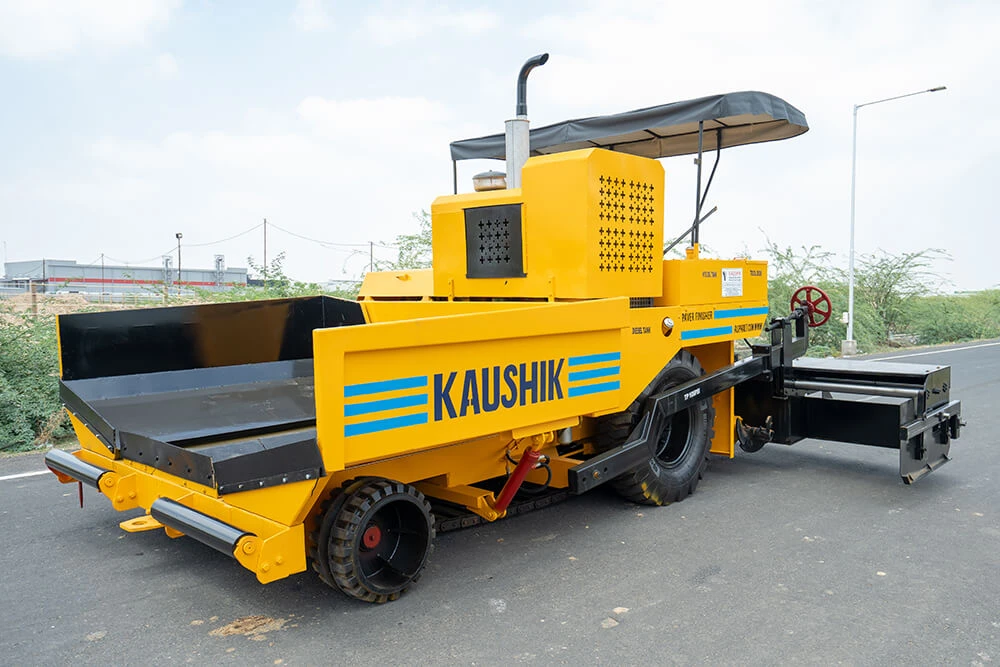
- Asphalt Pavers – Mid-sized pavers provide uniform layers for smooth driving surfaces.
- Compactors and Rollers – Vibratory rollers are commonly used for effective compaction.
- Batch Mix Plants – For projects requiring steady asphalt production.
Here, durability and consistency play a crucial role, as urban road construction often faces traffic management challenges and tight deadlines.
Equipment for Large-Scale Projects
Large-scale projects like highways, expressways, and national infrastructure development require heavy-duty, high-capacity machinery. These projects cover vast areas and need advanced equipment to ensure both speed and quality.
- Large Excavators and Bulldozers – For earthmoving and clearing operations.
- Motor Graders (High-Capacity) – For long stretches of road requiring precise grading.
- Asphalt Drum Mix Plants – Essential for continuous asphalt supply.
- Hot Mix Plants – For large-scale asphalt preparation and mixing.
- Pavers (Sensor Pavers) – Ensure accurate paving with advanced controls.
- Heavy Rollers (Tandem, Pneumatic, and Vibratory) – Provide uniform compaction on highways.
- Concrete Batching Plants – For high-volume concrete supply in rigid pavement projects.
These projects often involve significant investments, and choosing technologically advanced, fuel-efficient, and automated equipment helps save both time and cost in the long run.
Matching Scope with Equipment
Apart from project size, scope also influences equipment choices:
- New Road Construction – Requires the full range of earthmoving, grading, paving, and compaction equipment.
- Maintenance and Repairs – Needs patching machines, compact rollers, and portable pavers.
- Rural Development Programs – Demand cost-efficient and easily transportable machines.
- Urban Infrastructure Expansion – Requires equipment with precision and the ability to work in tight spaces.
By aligning scope with machinery, contractors can avoid over-investment while ensuring project quality.
The Role of Technology in Equipment Selection
Modern road construction equipment comes equipped with automation, GPS, and digital monitoring systems. These not only improve accuracy but also reduce fuel consumption and operational costs. For large and medium projects, investing in smart machinery helps deliver better results while meeting sustainability goals.
Partnering with the Right Manufacturer
Selecting the right road construction equipment isn’t just about the machines—it’s also about choosing a reliable partner who offers after-sales support, spare parts availability, and technical assistance.
Kaushik Engineering Works, a leading road construction equipment manufacturer in India, provides a complete range of solutions designed to match projects of every size and scope. With proven expertise, durable machinery, and nationwide support, they help contractors achieve efficiency and profitability in every project.
Conclusion
Choosing the right road construction equipment for your project size and scope is a strategic decision that impacts cost, efficiency, and quality. Small projects benefit from compact and portable machines, medium projects require balanced and durable equipment, while large-scale projects demand advanced, high-capacity machinery.
By evaluating project requirements, budget, and long-term support, you can ensure smooth operations and timely project completion. With the right partner by your side, road construction becomes not only faster but also more sustainable. Ready to power your road construction project with the right equipment? Get in touch with trusted experts today and ensure your next project is a success.