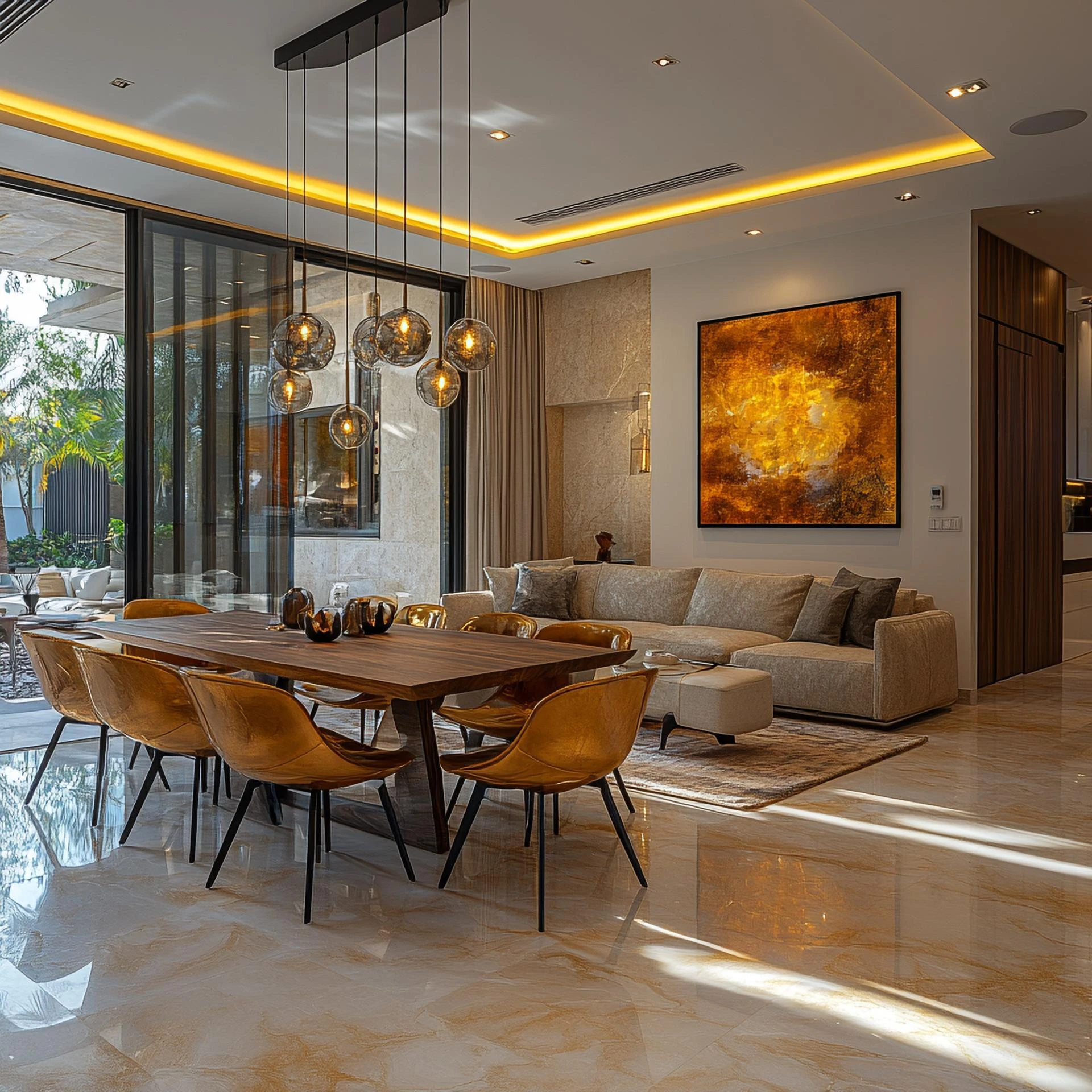
Designing your home is more than selecting colors, furniture, and décor. It is about shaping a living environment that reflects your personality, supports your daily routines, and evolves with your future goals. The right residential interior designer does not simply decorate a space — they translate your lifestyle, preferences, and aspirations into a functional and aesthetically pleasing home.
Choosing residential interior designers who truly understand your vision and lifestyle can make the difference between a house that looks beautiful and a home that feels deeply personal and comfortable. Here’s a comprehensive guide to help you make the right choice.
Why Choosing the Right Designer Matters
Your home is one of your most valuable investments — emotionally and financially. A skilled residential interior designer helps you:
- Optimize space efficiently
- Avoid costly design mistakes
- Improve functionality and comfort
- Enhance property value
- Achieve cohesive aesthetics
However, technical skills alone are not enough. The designer must align with your lifestyle, communication style, and long-term vision.
Step 1: Define Your Vision Clearly
Before approaching any residential interior designer, take time to understand what you truly want.
Ask yourself:
- Do I prefer modern minimalism or classic elegance?
- Is my home meant for entertaining guests or quiet family time?
- Do I need child-friendly, pet-friendly, or senior-friendly features?
- What kind of storage solutions do I require?
- What mood do I want each room to evoke?
Creating a mood board, saving inspiration images, and listing functional requirements can give designers clarity about your expectations.
Step 2: Evaluate Their Portfolio Carefully
A designer’s portfolio reveals more than their style — it shows versatility, creativity, and problem-solving ability.
Look for:
- Variety in design styles
- Smart space planning solutions
- Consistency in quality
- Attention to detail
- Before-and-after transformations
A strong portfolio demonstrates how the designer adapts to different client needs rather than imposing a fixed aesthetic.
Step 3: Assess Their Understanding of Lifestyle Needs
Great residential interior designers begin by listening, not designing.
During consultations, notice whether they:
- Ask detailed questions about your daily routine
- Understand your storage needs
- Consider lighting and ventilation
- Suggest practical layout changes
- Address future requirements
For example:
- A work-from-home professional needs an ergonomic and quiet workspace.
- A family with children requires durable materials and safety-focused layouts.
- A couple who hosts frequently may prioritize an open kitchen and flexible seating areas.
Your lifestyle should drive the design — not trends alone.
Step 4: Communication & Compatibility
Interior design projects often last several months. Clear communication is essential.
Choose a designer who:
- Explains ideas clearly
- Respects your budget
- Is transparent about timelines
- Welcomes feedback
- Provides regular updates
Compatibility is crucial. You should feel comfortable sharing ideas, concerns, and preferences without hesitation.
Step 5: Budget Transparency & Planning
Understanding budget alignment early prevents future stress.
Professional residential interior designers typically provide:
- Detailed cost estimates
- Clear material breakdowns
- Transparent labor charges
- Flexible budget options
Discuss:
- Must-have elements
- Nice-to-have upgrades
- Contingency funds
- Payment milestones
A good designer helps prioritize spending where it matters most.
Step 6: Space Planning Expertise
Effective residential interior design begins with smart space planning.
Strong designers focus on:
- Optimized furniture placement
- Smooth circulation paths
- Functional zoning
- Natural light utilization
- Storage integration
Space planning ensures that every square foot serves a purpose — especially important in urban apartments or compact homes.
Step 7: Sustainability & Smart Living
Modern homeowners increasingly value eco-friendly and tech-enabled living spaces.
Choose residential interior designers who understand:
- Energy-efficient lighting
- Sustainable materials
- Indoor air quality
- Smart home integration
- Water-saving fixtures
Sustainable design is not just environmentally responsible — it also reduces long-term maintenance costs.
Step 8: Customization Over Templates
Avoid designers who offer one-size-fits-all solutions.
Your home should reflect:
- Your personality
- Your cultural preferences
- Your family dynamics
- Your hobbies and passions
Customization may include:
- Bespoke furniture
- Personalized storage solutions
- Unique wall treatments
- Tailored lighting concepts
True design excellence lies in personalization.
Step 9: Project Management Capabilities
Design is only half the job — execution is equally important.
Reliable residential interior designers coordinate:
- Contractors
- Carpenters
- Electricians
- Vendors
- Site supervisors
They monitor quality control, ensure timeline adherence, and manage unforeseen issues professionally.
Ask about:
- Their project workflow
- Site visit frequency
- Vendor network
- Quality assurance process
Step 10: Reviews & Client Testimonials
Past client experiences provide valuable insight.
Look for feedback on:
- Professionalism
- Timeline management
- Budget control
- Communication
- Post-project support
Consistent positive reviews often indicate reliability and client satisfaction.
Understanding Different Residential Design Approaches
Residential interior designers may specialize in different approaches:
1. Contemporary & Minimalist
- Clean lines
- Neutral palettes
- Functional furniture
- Open layouts
2. Luxury & Classic
- Premium materials
- Detailed craftsmanship
- Rich textures
- Statement lighting
3. Sustainable & Eco-Focused
- Recycled materials
- Energy efficiency
- Natural finishes
- Low-VOC paints
4. Smart & Tech-Integrated
- Automated lighting
- Smart climate control
- Integrated security systems
- Multi-functional spaces
Choose a designer whose expertise aligns with your priorities.
Red Flags to Watch Out For
While selecting residential interior designers, be cautious if you notice:
- Lack of written contracts
- Unclear cost breakdowns
- Poor communication
- Overpromising unrealistic timelines
- Limited portfolio transparency
Professional designers value clarity and accountability.
Questions to Ask Before Hiring
Here are essential questions to consider:
- How do you approach understanding client lifestyle needs?
- Can you show projects similar to mine?
- What is your design process timeline?
- How do you handle budget overruns?
- Do you offer post-completion support?
Their responses reveal both expertise and professionalism.
The Emotional Side of Home Design
Beyond structure and aesthetics, residential interior design shapes emotional well-being.
A well-designed home:
- Reduces stress
- Enhances productivity
- Encourages relaxation
- Strengthens family bonding
- Improves daily efficiency
When designers truly understand your lifestyle, they create environments that support both physical and emotional comfort.
Long-Term Vision Matters
Choose residential interior designers who plan beyond immediate trends.
Good designers think about:
- Future renovations
- Adaptable layouts
- Growing family needs
- Resale value
- Timeless aesthetics
Trend-driven spaces may look appealing today but can feel outdated quickly. Balanced design ensures longevity.
Collaboration Leads to Better Results
The most successful home interiors are born from collaboration.
Your role:
- Share honest feedback
- Provide clear preferences
- Trust professional guidance
- Stay involved in decisions
Designer’s role:
- Translate ideas into feasible plans
- Offer expert recommendations
- Ensure functional integration
- Maintain design consistency
When both parties collaborate effectively, the result is exceptional.
Final Thoughts
Choosing residential interior designers who understand your vision and lifestyle is not about selecting the most popular name or the trendiest style. It is about finding a professional who listens carefully, plans strategically, and executes thoughtfully.
Your home should tell your story — through layout, materials, lighting, textures, and details. It should reflect who you are today while adapting to who you may become tomorrow.
The right residential interior designer transforms spaces into meaningful living experiences — blending beauty, practicality, sustainability, and personalization seamlessly.
Invest time in choosing wisely, because the right partnership will shape not just your interiors, but your everyday life for years to come.