Selecting the right exercise equipment is more than a matter of preference; it is a careful balance between your physical goals, available space, and daily routines. For many, the decision is influenced by convenience, effectiveness, and long-term usability. The goal is to choose tools that complement your lifestyle rather than complicate it.
Understanding your own fitness needs is the first step. Whether you are seeking strength, flexibility, cardiovascular health, or general wellness, different types of equipment serve different purposes. By evaluating your goals alongside practical constraints, you can make informed choices that are sustainable and safe.
Finally, considering the quality and adaptability of equipment ensures that it remains useful as your fitness journey evolves. The right tools can motivate consistent practice, reduce injury risk, and enhance overall results.
Assessing Your Fitness Goals
Understanding Personal Objectives
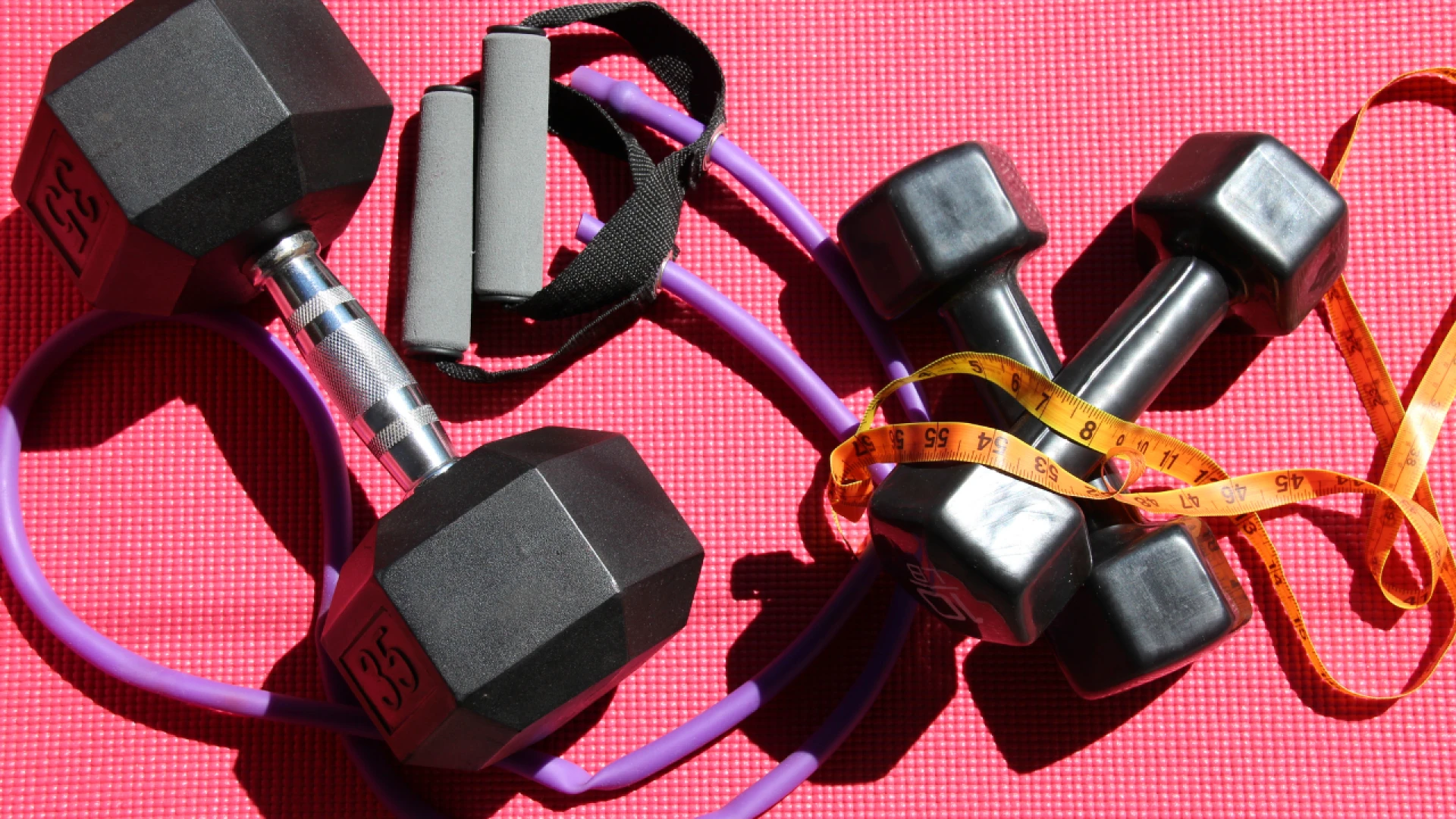
Before purchasing equipment, clearly define what you want to achieve. If cardiovascular health is your priority, options like treadmills or stationary bikes provide sustained aerobic activity. For strength and resistance training, weights, resistance bands, or multi-functional machines may be more appropriate. Flexibility and mobility can be supported with balance boards or yoga accessories.
Evaluating Frequency and Intensity
Consider how often and how intensely you plan to exercise. Equipment that requires significant setup or maintenance may not suit someone with limited time. Conversely, simple and quick-to-use tools can encourage daily engagement. Matching the intensity of your workouts with equipment capabilities ensures progress without unnecessary strain.
Space and Practical Considerations
Home Environment
Available space often dictates the type and size of equipment you can realistically accommodate. Compact and foldable items, such as adjustable dumbbells or resistance bands, work well in smaller living areas. Larger machines, like ellipticals or rowing machines, require dedicated space and should be positioned where they do not impede daily activity.
Storage and Portability
Portability is a practical factor for many users. Equipment that can be moved or stored easily prevents clutter and allows for flexibility in home layouts. Lightweight, modular tools can provide the same benefits as bulkier alternatives without overwhelming your living space.
Budget and Long-Term Value
Upfront Costs vs. Longevity
Investing in high-quality equipment may require a larger initial outlay, but it often pays off in durability and safety. Cheaper alternatives can suffice for beginners, but they may wear out faster or lack advanced features. Evaluating long-term use versus short-term savings is key to maximizing value.
Maintenance and Replacement
Equipment that demands frequent upkeep or has replaceable parts can add hidden costs. Consider materials, warranty options, and the ease of acquiring replacement components. Durable equipment designed for longevity often reduces the likelihood of interruption in your fitness routine.
Adapting to Your Lifestyle
Time Constraints
Daily schedules and energy levels influence the type of equipment that fits best. Quick, versatile options like resistance bands or kettlebells allow short, efficient workouts, whereas machines that support longer sessions may suit users with more flexible schedules. Aligning your equipment choices with your availability enhances consistency and adherence.
Physical Limitations
Injury history, mobility issues, or chronic conditions should guide your selection. Low-impact machines or adjustable resistance tools accommodate varying abilities and reduce the risk of exacerbating existing conditions. Consulting with a healthcare professional or certified trainer can provide personalized recommendations.
Integrating Technology
Modern equipment often incorporates digital features such as virtual coaching, performance tracking, and interactive programs. While these additions can enhance motivation, they are not essential for effective training. Consider whether technology adds meaningful value to your routine or if traditional methods suffice.
Conclusion
Choosing exercise equipment that complements your lifestyle is a thoughtful process involving goals, space, budget, and personal preferences. The most effective tools are those that encourage consistent use, fit seamlessly into daily routines, and accommodate evolving fitness levels. By reflecting on these factors, you can create an environment conducive to sustainable health and well-being.
FAQs
What type of equipment is best for small spaces?
Compact, foldable, or multi-purpose equipment such as resistance bands, adjustable dumbbells, and yoga mats are ideal for limited spaces. These items can be stored easily and still provide a wide range of exercises.
How do I know if the equipment matches my fitness level?
Begin by identifying your fitness goals and physical limitations. Consult instructional materials or trainers to ensure exercises performed on the equipment are safe and effective. Adjustable resistance or modular setups help accommodate growth and improvement.
Is expensive equipment always better?
Not necessarily. While higher-end equipment may offer durability and advanced features, the best choice depends on your goals, usage frequency, and budget. Even moderately priced tools can be highly effective if they align with your needs.
Can technology in equipment improve my workouts?
Digital features like performance tracking, interactive classes, and virtual coaching can enhance engagement and provide guidance, but they are supplementary. Consistency, proper technique, and progressive training remain the most critical factors for success.
How do I maintain exercise equipment properly?
Regular cleaning, inspection of moving parts, and adherence to manufacturer guidelines help extend the lifespan of equipment. Proper maintenance ensures safety and consistent performance over time.