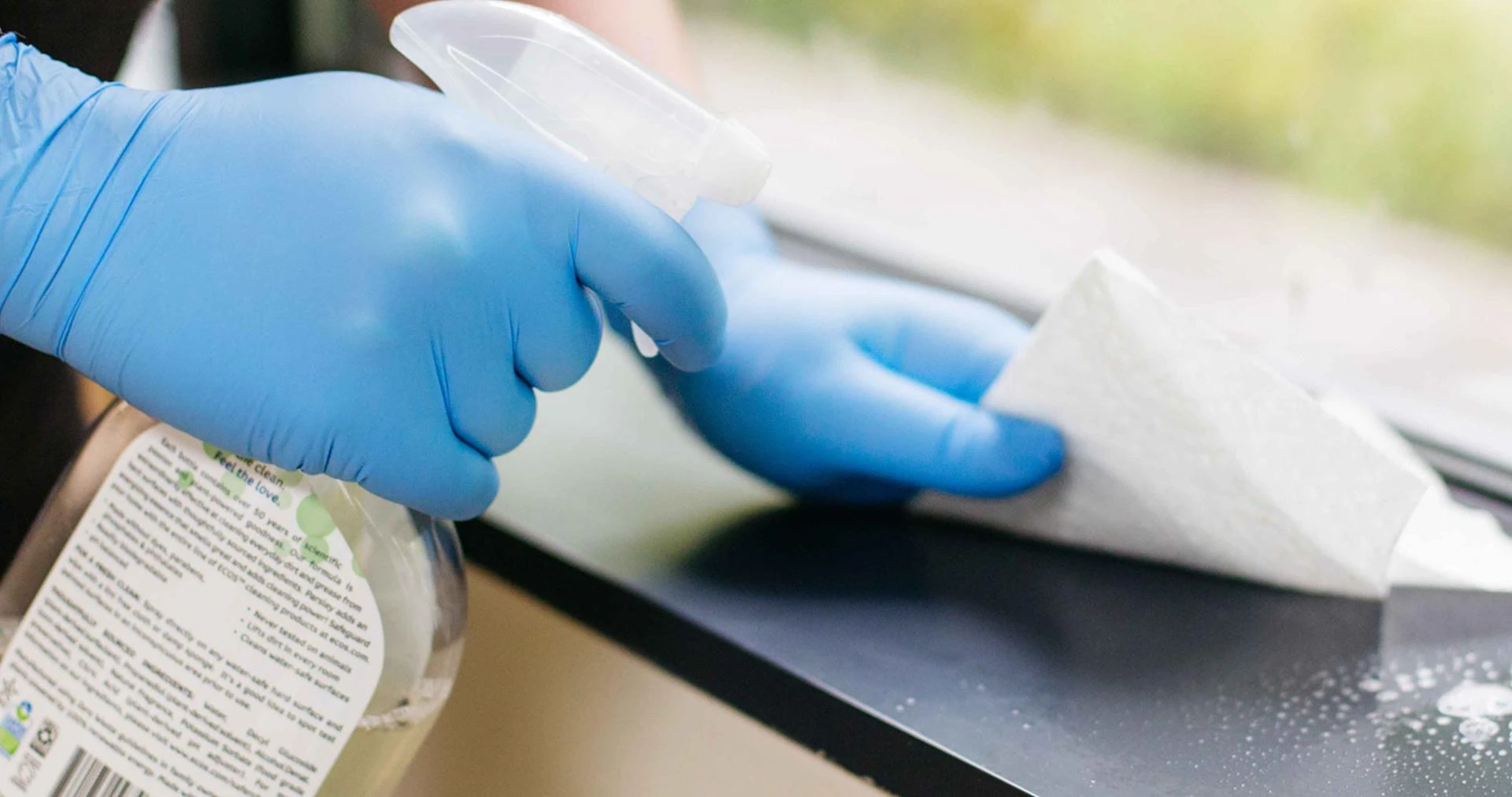
If your business depends on disposable gloves for safety, compliance, or hygiene, choosing the right nitrile gloves supplier in Australia is not optional, it is critical. The wrong supplier can mean inconsistent quality, stock shortages, compliance risks, and serious workplace consequences.
This guide breaks down exactly what to look for when selecting a reliable nitrile gloves supplier in Australia, so you can protect your team, customers, and operations with confidence.
Why Supplier Reliability Matters More Than Price
Nitrile gloves are widely used across:
- Healthcare and aged care
- Food processing and hospitality
- Laboratories and pharmaceuticals
- Automotive and mechanical workshops
- Cleaning and sanitation services
- Construction and industrial environments
In these industries, gloves are not just consumables. They are part of your safety system.
A reliable supplier ensures:
- Consistent product quality
- Stable inventory levels
- Compliance with Australian standards
- Transparent product specifications
Focusing only on the lowest price often leads to inconsistent thickness, tearing issues, or shipment delays.
Key Factors to Evaluate in a Nitrile Gloves Supplier
1. Compliance with Australian Standards
Before placing large orders, confirm that the gloves meet relevant standards for:
- Medical or examination use
- Food handling compliance
- Chemical resistance
- Powder-free certification
A reputable supplier should provide:
- Product data sheets
- Test reports
- Clear material specifications
- Batch traceability
If documentation is unclear or unavailable, that is a red flag.
2. Quality and Thickness Consistency
Not all nitrile gloves are created equal.
Check:
- Thickness in mil (millimetres)
- Tensile strength
- Puncture resistance
- Texture for grip
Thicker gloves are suitable for industrial and mechanical use, while thinner examination-grade gloves may suit healthcare or food service.
Request samples before committing to bulk purchases. Reliable suppliers will gladly provide them.
3. Stock Availability and Supply Chain Stability
Australia experienced significant PPE shortages during global disruptions. Since then, supply chain reliability has become a top priority.
Ask suppliers:
- Do they hold local Australian stock?
- What are their lead times?
- Can they handle emergency restocking?
- Do they import directly or rely on third parties?
Suppliers with strong local warehousing reduce delays and help maintain uninterrupted operations.
4. Transparent Pricing Structure
A trustworthy nitrile gloves supplier offers:
- Clear carton pricing
- Volume discount tiers
- No hidden fees
- Consistent pricing agreements
Be cautious of unusually low prices, which may indicate inconsistent quality or non-compliant imports.
5. Industry Experience and Reputation
Experience matters in PPE supply.
Established suppliers understand:
- Industry-specific requirements
- Regulatory changes
- Usage trends across sectors
- Storage and handling best practices
Working with experienced providers such as Eco Packaging Experts ensures access to gloves that meet Australian business expectations, particularly for hygiene-focused and industrial environments.
Types of Nitrile Gloves You Should Discuss with Your Supplier
Examination Grade Nitrile Gloves
Suitable for:
- Medical clinics
- Aged care
- Laboratories
- Beauty and cosmetic services
These gloves must meet strict quality and safety requirements.
Industrial Grade Nitrile Gloves
Designed for:
- Mechanics
- Construction workers
- Manufacturing staff
- Cleaning crews
They typically offer higher thickness and chemical resistance.
Food Safe Nitrile Gloves
Ideal for:
- Food manufacturing
- Catering services
- Commercial kitchens
Ensure they are powder-free and compliant with food handling standards.
Red Flags When Choosing a Supplier
Avoid suppliers who:
- Cannot provide compliance documentation
- Have inconsistent stock availability
- Offer prices far below market rate
- Provide unclear product specifications
- Lack local customer support
In PPE procurement, shortcuts can result in safety failures.
Sustainability and Responsible Sourcing
Many Australian businesses are now prioritising environmentally responsible suppliers.
While nitrile is synthetic, responsible sourcing and efficient bulk ordering can reduce waste. Suppliers such as Eco Packaging Experts focus on supplying reliable PPE solutions while supporting sustainable operational practices wherever possible.
Bulk efficiency also reduces excess packaging and transport frequency, contributing to a lower environmental footprint.
Practical Checklist Before Signing a Supply Agreement
Before committing to a nitrile gloves supplier in Australia, confirm:
- Product compliance certifications
- Thickness and strength specifications
- Local stock availability
- Delivery timelines
- Volume pricing agreements
- Sample testing completed
- Clear return or replacement policy
Taking these steps protects your business from future supply disruptions.
Final Thoughts: Reliability Protects More Than Hands
Choosing a nitrile gloves supplier in Australia is about more than sourcing disposable products. It is about ensuring safety, compliance, operational continuity, and professional credibility.
A reliable supplier provides:
- Consistent quality
- Stable supply
- Transparent documentation
- Responsive customer support
Instead of focusing purely on price, evaluate long-term reliability and industry expertise.
If your business depends on protective gloves daily, now is the right time to review your supplier relationship and partner with a trusted provider like Eco Packaging Experts that understands Australian industry standards and operational realities.