
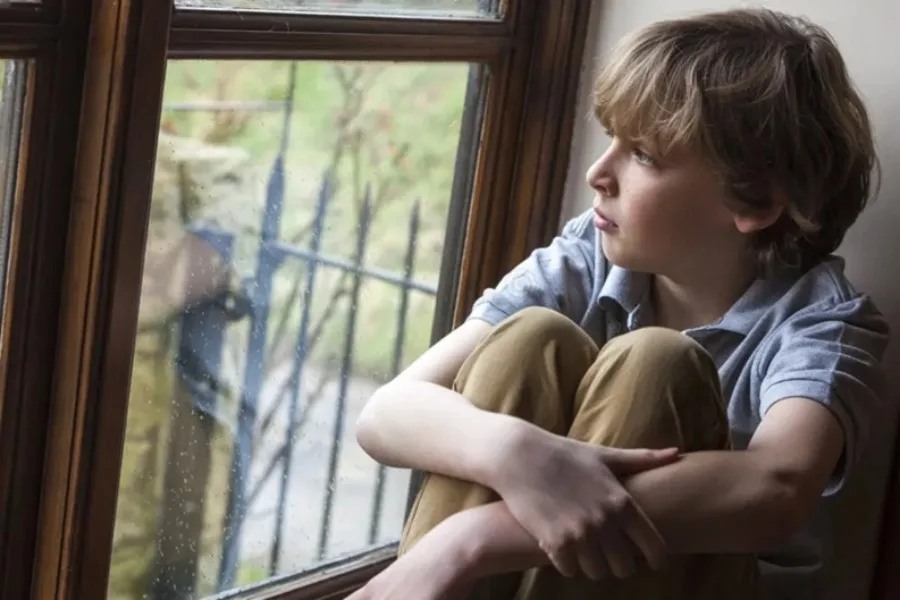
"Could your child depressed feelings be hiding behind what looks like ordinary moodiness?"
This question is showing up everywhere, from parenting forums to social media conversations. As awareness around children's mental health grows, more parents are wondering whether their child's behavior is part of normal development or something that deserves closer attention.
Every child has difficult days. They get frustrated, withdrawn, or emotional. But when those changes linger, intensify, or begin affecting daily life, it may be time to look deeper.
If you've been wondering whether your child depressed symptoms are more than temporary mood swings, here are 11 signs worth taking seriously.
Persistent Sadness That Doesn't Lift
Children experience disappointment and sadness just like adults. The difference is duration. If your child depressed mood continues for weeks and seems difficult to shake, it may signal something more significant than a rough patch.
Loss of Interest in Things They Once Loved
One of the most overlooked signs of a child depressed experience is losing interest in activities they previously enjoyed. The soccer games they once couldn't wait for, favorite hobbies, or even spending time with friends may suddenly feel unimportant.
Increased Irritability or Anger
Depression in children does not always look like sadness. Sometimes a child depressed emotional state appears as frequent frustration, explosive reactions, or constant irritability. Parents may even find themselves searching online for answers to questions like "why am I always angry" while trying to understand similar emotional patterns in their children.
Changes in Sleep Patterns
Sleeping too much or struggling to sleep can both be warning signs. A child depressed by emotional stress may begin waking frequently, having trouble falling asleep, or wanting to sleep far more than usual.
Sudden Changes in School Performance
Children who are emotionally struggling often find it difficult to focus. A noticeable drop in grades, reduced motivation, or difficulty completing assignments may reflect emotional distress rather than a lack of effort.
Frequent Physical Complaints
Headaches, stomach aches, and unexplained body discomfort can sometimes have emotional roots. Many psychologists discuss the concept of holding grief in the body, where emotional pain shows up physically when children cannot fully express what they are feeling.
Social Withdrawal
A child depressed by ongoing emotional challenges may pull away from friends and family. They may spend more time alone, avoid social activities, or seem disconnected even when surrounded by people who care about them.
Low Self-Esteem and Negative Self-Talk
Listen carefully to how your child speaks about themselves. Statements like "I'm not good enough" or "Nobody likes me" can reveal deeper emotional struggles that deserve attention and support.
Increased Sensitivity to Everyday Challenges
Minor setbacks can feel overwhelming when a child is emotionally depleted. What once seemed manageable may now trigger tears, frustration, or feelings of hopelessness.
Difficulty Managing Emotions
Challenges with emotion regulation are becoming a major topic in conversations about children's mental health. Children with ADHD, ASD, or learning disorders may already experience difficulties processing emotions. When these challenges intensify, a child depressed by ongoing stress may struggle even more with behavioural issues and emotional resilience.
Talking About Hopelessness
Perhaps the most important sign is when a child expresses feelings that things will never improve. Even seemingly casual comments about hopelessness should always be taken seriously and explored with compassion.
Why More Parents Are Paying Attention
Recent conversations around mental health have helped families better understand that emotional struggles can affect children of all ages.
Support from a child psychologist in Melbourne, ADHD psychologist in Melbourne, autism psychologist in Melbourne, or Neuroaffirming psychologist in Victoria can help families gain valuable insight into what their child is experiencing. Many parents also appreciate the accessibility of Child psychologist telehealth in Australia services when in-person support is not practical.
In some situations, diagnostic assessments can provide clarity, especially when symptoms overlap with ADHD, ASD, or other developmental differences. The goal is not to label children. It is to understand them.
Every Emotion Has a Story
Children rarely have the words to explain everything happening inside them. Sometimes sadness appears as anger. Sometimes anxiety looks like withdrawal. Sometimes emotional pain hides behind silence.
Whether through child and adolescent therapy, support for stress and anxiety, guidance around self-esteem, or specialized NDIS support for eligible NDIS patients, meaningful help can make a lasting difference.
When a Small Conversation Can Change Everything
If you've been questioning whether your child depressed feelings are more than ordinary moodiness, trust your instincts and stay curious rather than fearful.
At MLA Psychology, families are supported with warmth, understanding, and evidence-based care tailored to eachchild's unique experience. Sometimes the most powerful gift we can offer a child is a safe space where they feel heard, understood, and valued exactly as they are.