Introduction
Healthy skin reflects good care, balanced lifestyle habits, and proper dermatological treatment. However, many people struggle with concerns such as dullness, uneven skin tone, acne marks, sun damage, fine lines, and pigmentation despite maintaining a regular skincare routine. Environmental pollution, prolonged sun exposure, hormonal fluctuations, stress, and natural aging all contribute to gradual skin damage that topical creams alone may not completely address.
Among the many advanced cosmetic dermatology procedures available today, chemical peels remain one of the most widely recommended treatments for skin rejuvenation. They offer a non-surgical approach to improving skin texture, enhancing radiance, and encouraging healthy skin renewal. Depending on the patient's skin condition and treatment goals, dermatologists select specific peel formulations that provide controlled exfoliation while minimizing recovery time.
People searching for a chemical peel clinic in Noida are often interested in safe, medically supervised procedures that provide noticeable improvements without lengthy downtime. Understanding how chemical peels work, their benefits, expected recovery, and aftercare requirements helps patients make confident treatment decisions.
This article explains everything you should know before undergoing chemical peel treatment.
What Is Chemical Peel Treatment?
A chemical peel is a dermatological procedure in which a carefully selected chemical solution is applied to the skin to remove damaged outer layers.
This controlled exfoliation stimulates the formation of healthier skin cells, resulting in smoother and brighter skin.
Treatment is customized according to each patient's skin condition.
How Chemical Peels Work
Healthy skin naturally renews itself over time.
Chemical peels accelerate this renewal process by encouraging damaged surface cells to shed more efficiently.
As healing occurs, newer skin gradually replaces older layers.
Patients may notice improvements in:
- Skin texture
- Skin tone
- Surface smoothness
- Overall appearance
Common Skin Concerns Treated
Chemical peels may improve several cosmetic concerns.
These include:
- Uneven skin tone
- Mild pigmentation
- Acne marks
- Fine wrinkles
- Rough texture
- Enlarged pores
- Sun damage
- Dull complexion
Individual treatment plans vary according to clinical assessment.
Types of Chemical Peels
Different peel strengths are available.
Superficial Peels
These gently exfoliate the outermost skin layer.
Recovery is generally quick.
Medium Peels
These reach deeper skin layers and often produce greater improvement.
Deep Peels
These are reserved for carefully selected patients requiring advanced skin resurfacing.
Initial Consultation
Every treatment begins with a comprehensive skin evaluation.
The dermatologist reviews:
- Skin type
- Medical history
- Previous cosmetic procedures
- Current skincare products
- Treatment goals
Personalized assessment helps determine the safest treatment approach.
Preparing for Treatment
Patients may receive recommendations such as:
- Avoid excessive sun exposure
- Stop certain exfoliating products
- Follow prescribed skincare instructions
Proper preparation supports successful outcomes.
Step-by-Step Procedure
Chemical peel treatment usually involves the following stages.
Cleansing
The skin is thoroughly cleansed before treatment.
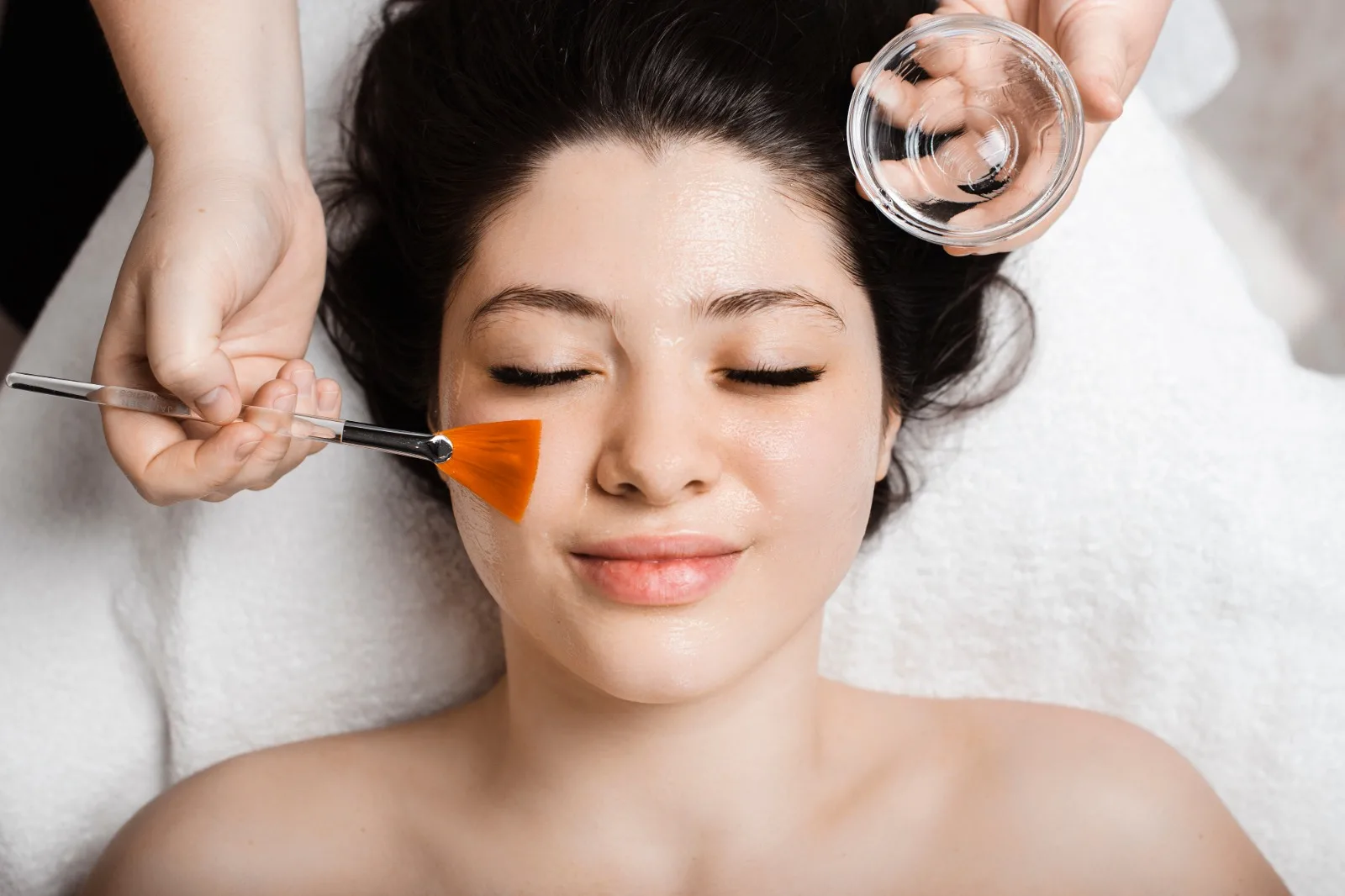
Peel Application
The selected chemical solution is carefully applied.
Mild warmth or tingling may occur.
Observation
The dermatologist monitors the skin throughout the procedure.
Completion
Appropriate soothing products and sun protection are applied.
Cost-Effective Skin Rejuvenation
Many patients appreciate that affordable chemical peel treatment offers noticeable improvements in skin quality while remaining a minimally invasive cosmetic option. Treatment plans are individualized according to skin concerns, allowing patients to achieve gradual improvement through medically supervised care.
Professional consultation helps determine the most appropriate approach.
Recovery After Treatment
Healing varies according to peel strength.
Temporary effects commonly include:
- Mild redness
- Tightness
- Dryness
- Flaking
- Peeling
These changes usually represent normal skin renewal.
Most superficial peels involve relatively short recovery periods.
Post-Treatment Care
Good aftercare helps maximize treatment success.
Patients are generally advised to:
- Wear sunscreen daily
- Moisturize regularly
- Avoid excessive sun exposure
- Avoid scratching peeling skin
- Follow dermatologist instructions carefully
These measures support healthy healing.
Benefits of Chemical Peels
Patients often notice gradual improvements in:
- Skin smoothness
- Skin brightness
- Overall complexion
- Texture
- Skin clarity
Results continue to improve as the skin regenerates.
Who Can Benefit?
Chemical peels may be suitable for many healthy adults.
Suitability depends on:
- Skin type
- Medical history
- Existing skin conditions
- Individual cosmetic goals
Professional evaluation determines candidacy.
Safety of Chemical Peels
When performed by qualified dermatologists, chemical peels are considered safe for appropriately selected patients.
Treatment customization reduces unnecessary risks while improving results.
Common Misconceptions
Chemical Peels Permanently Damage Skin
Properly performed peels encourage healthy skin regeneration.
Recovery Is Always Long
Many superficial peels involve only minimal downtime.
One Session Solves Every Skin Concern
Some cosmetic conditions require multiple treatment sessions.
Realistic expectations improve overall satisfaction.
Choosing the Right Clinic
Selecting a reputable skin care clinic in noida provides patients with experienced dermatologists, modern diagnostic facilities, individualized treatment planning, evidence-based skincare protocols, and structured follow-up care that supports safe procedures and long-lasting cosmetic improvement.
Professional supervision remains an important part of successful treatment.
Maintaining Results
Healthy skincare habits help prolong treatment benefits.
Recommendations include:
- Daily sunscreen
- Gentle cleansing
- Healthy nutrition
- Adequate hydration
- Routine dermatology reviews
Long-term skincare supports lasting results.
Conclusion
Chemical peels continue to be one of the most effective non-surgical procedures for improving skin tone, texture, and overall appearance. Through controlled exfoliation and healthy skin renewal, the treatment helps address several common cosmetic concerns while supporting smoother, brighter skin. Proper consultation, individualized treatment planning, and consistent aftercare remain essential for achieving safe and satisfying outcomes.
Individuals considering treatment at a chemical peel clinic should seek professional evaluation before selecting any cosmetic procedure. Choosing affordable chemical peel treatment under qualified dermatology supervision helps ensure both safety and gradual, natural-looking improvement.
Receiving care from a reputable skin care clinic provides access to comprehensive skin assessment, advanced treatment protocols, and personalized aftercare designed to maintain healthy, radiant skin.
Frequently Asked Questions
What is the purpose of a chemical peel?
Chemical peels remove damaged skin cells and encourage healthy skin renewal.
Is chemical peel treatment safe?
Yes. When performed by qualified dermatologists, chemical peels are generally considered safe.
How long does recovery take?
Recovery depends on the peel strength and individual skin response.
Can chemical peels improve skin texture?
Yes. Chemical peels often improve texture, tone, and overall skin appearance.
How can treatment results be maintained?
Daily sunscreen, proper skincare, hydration, and regular dermatologist follow-up help maintain healthy skin.
Source: Chemical Peel Treatment