A roads contractor in Fujairah had a stretch of newly laid surface start cracking within eight months of completion. The investigation traced it back to sub-base compaction that hadn't reached the required density; not because the operator had been careless, but because the roller on site wasn't producing the compaction force the material and layer depth demanded. The machine had passed a visual check. The density test told a different story.
The cost of repairing that stretch ran well past what a properly specified piece of compaction equipment would have added to the original project budget. That gap between what better equipment costs upfront and what inadequate equipment costs eventually is where most of the argument for investing properly in compaction lives.
Why Compaction Failures Are Expensive In A Specific Way
Most construction defects announce themselves during the build. Compaction failures are different; they accumulate quietly under the surface and reveal themselves under load, often long after the contractor has left site and the defect liability period has become a question rather than a certainty.
That timing makes them disproportionately damaging. A failure that surfaces two years after completion triggers investigations, disputes, and remediation costs that dwarf what the original fix would have required. The compaction equipment budget is rarely where projects look for savings after they've been through that experience once.
Single Drum Rollers And Where Specification Matters Most
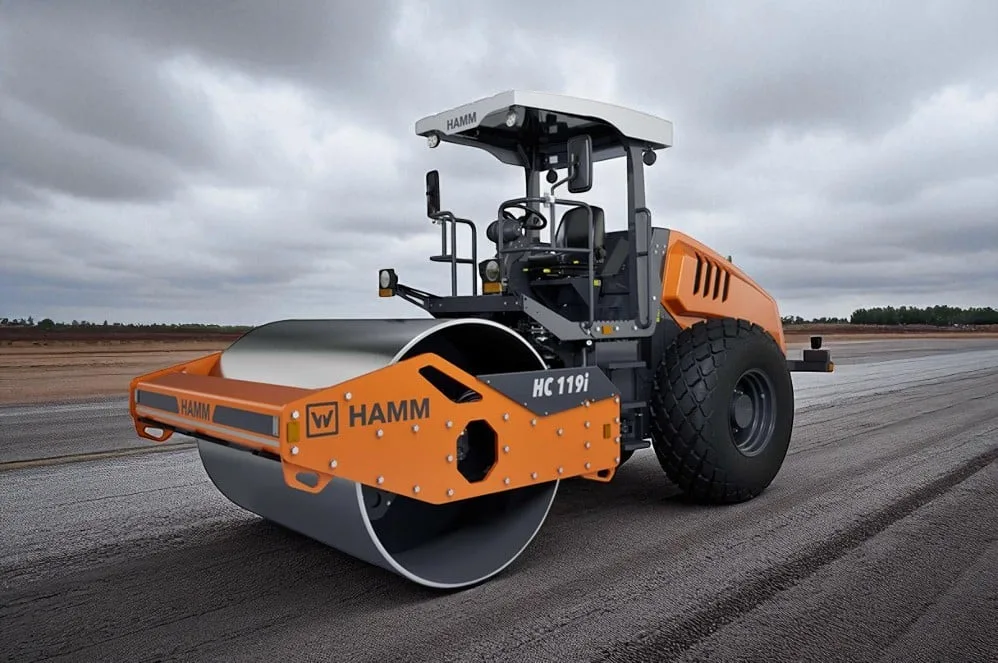
For soil and granular sub-base compaction, the Single drum roller is the workhorse. The vibrating drum delivers the combination of static weight and dynamic force that granular materials need to reach the density specifications that structural layers depend on.
Contractors looking at single drum roller for sale options face a market with a wide price range that doesn't always correspond neatly to performance. The variables that matter; drum diameter, centrifugal force output, amplitude and frequency settings, the ability to adjust compaction parameters for different material types — don't always surface clearly in a catalogue comparison. A machine that looks adequate on paper can produce results that are consistently marginal under field conditions, and marginal compaction is the kind of thing that passes visual inspection and fails density testing.
The Role Of Air In Compaction Support Operations
Compaction equipment doesn't operate in isolation. The surrounding site work; joint sealing, surface preparation, pneumatic tool operation for edge compaction and confined areas depends on a reliable compressed air supply. An undersized or poorly maintained portable air compressor creates bottlenecks in those support tasks that slow the compaction operation even when the roller itself is performing correctly.
The air compressors running alongside compaction operations need to be matched to the tool requirements of the specific tasks they're supporting. It's a specification detail that tends to get treated as an afterthought and then causes friction on site when the pressure at the tool end doesn't match what the job needs.
Crushing And Material Processing As Part Of The Compaction Picture
On sites where fill material is being processed on site rather than imported, the quality of that processing directly affects compaction outcomes. Material fed into a compaction layer with inconsistent gradation or oversized particles produces uneven density regardless of how well the roller is operated.
A mobile crusher that's producing consistent gradation gives the compaction operation something it can work with. The mobile stone crusher market has developed to the point where capable units are available at price points that make on-site processing viable for mid-sized projects, changing the material supply equation for contractors who previously had no choice but to import fill to specification.
The Compaction Equipment Decision As A Project Risk Decision
The way compaction equipment gets evaluated in procurement tends to treat it as a cost line rather than a risk management decision. The two framings produce different outcomes. A cost line gets minimised. A risk management decision gets properly specified.
The contractor in Fujairah would have made a different call on the roller specification if the decision had been framed around what a compaction failure costs rather than what a better roller costs. That reframing doesn't require a larger budget — it requires asking a different question before anything gets ordered.