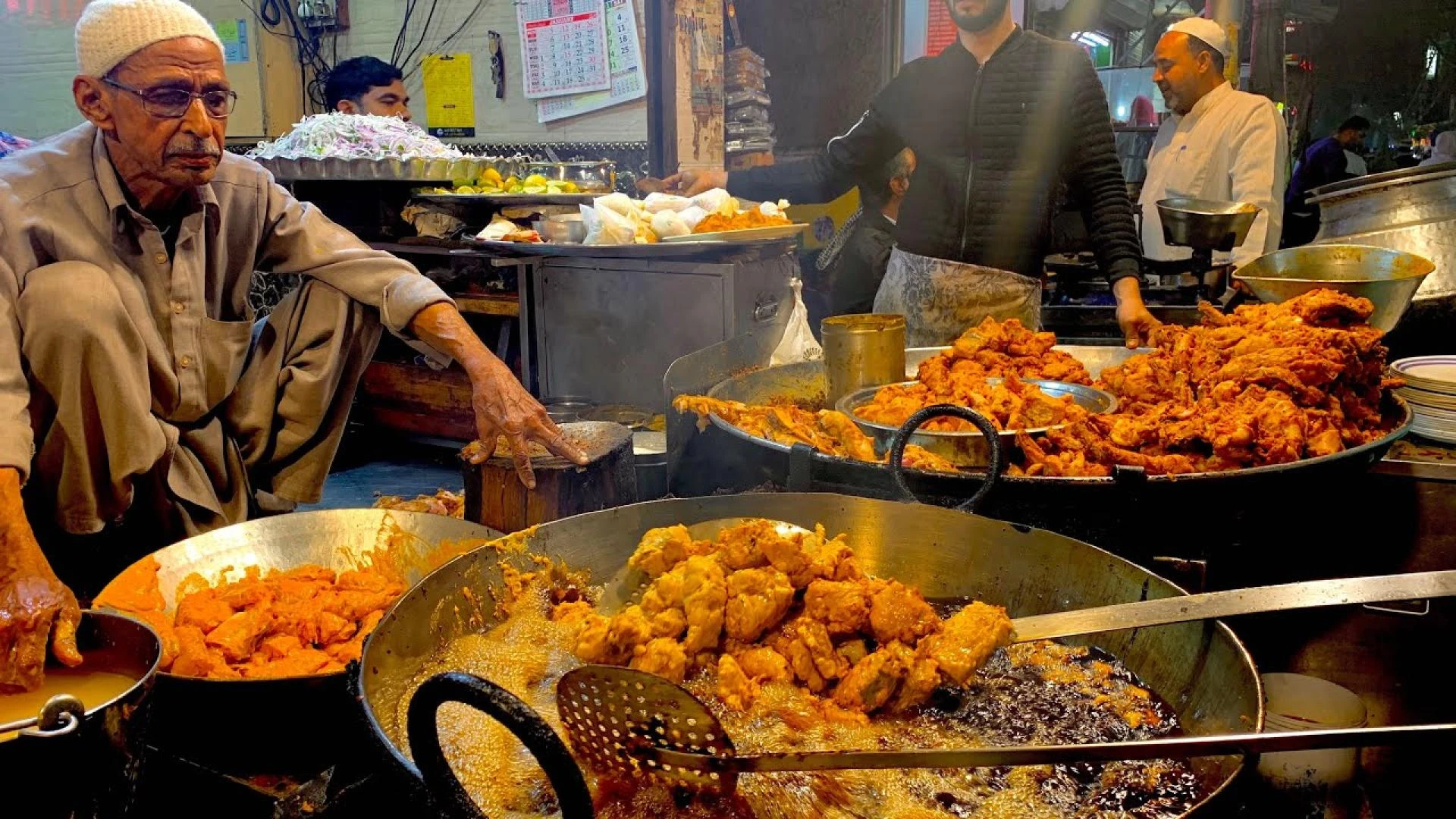
Stepping into the heart of Old Delhi is like entering a living museum of flavor, culture, and nostalgia. The lanes of Chandni Chowk are not just streets—they are time capsules of Mughal heritage, street-side artistry, and culinary mastery that has evolved for centuries. For travelers looking to explore the city’s gastronomic soul, an old delhi food walk tour is the perfect starting point. It allows you to experience the essence of Delhi’s food culture through its most authentic bites, from sizzling kebabs to syrupy jalebis, served with stories that have aged as gracefully as the recipes themselves.
Discovering the Culinary Soul of Chandni Chowk
Chandni Chowk’s charm lies in its diversity. Each narrow alley is known for a specific dish, perfected over generations. Whether it’s the spice-laden aromas wafting from Paranthe Wali Gali or the comforting sweetness of Daulat Ki Chaat sold on winter mornings, every flavor narrates a story. The best way to begin your food journey is by starting early—around 9 a.m.—to enjoy breakfast at legendary establishments before the crowds thicken.
Kickstart your morning at Jung Bahadur Kachori Wala, a modest eatery tucked near Gali Paranthe Wali. Their urad dal kachori paired with spicy aloo sabzi sets the tone for the day. From there, stroll toward Giani’s Di Hatti for a glass of creamy rabri falooda, a Delhi classic. By the time the clock strikes eleven, the streets are alive with vendors frying, grilling, and serving their signature dishes.
The Perfect Midday Food Stop
After soaking in the morning energy, it’s time to head toward Karim’s, perhaps Chandni Chowk’s most famous name. Established in 1913, Karim’s continues to uphold the culinary traditions of the Mughal royal kitchens. Their mutton seekh kebabs, chicken jahangiri, and soft rumali rotis showcase a mastery of spices that balances richness with subtlety. For vegetarians, Natraj Dahi Bhalla Corner near Bhai Mati Das Chowk offers a delightful contrast—light, tangy, and refreshingly cool. The creamy dahi bhallas topped with tamarind chutney and pomegranate seeds are a must-try during Delhi’s warmer months.
Once you’ve had your fill of royal flavors, it’s time to explore the sweet side of Chandni Chowk. Walk toward Shiv Misthan Bhandar, a spot known for its golden jalebis fried in desi ghee. The crisp texture and sugary syrup create the perfect afternoon indulgence. If you visit during winter, look for stalls serving gajar ka halwa and moong dal halwa—seasonal specialties that embody the richness of North Indian desserts.
Exploring Street Legends and Local Favorites
One of the most delightful experiences in Chandni Chowk is the joy of discovery. Every turn hides a food stall or hidden eatery that isn’t listed on guides but is loved by locals. Take Kuremal Mohan Lal Kulfi Wale, for example—a shop famous for fruit-stuffed kulfi. Mango, orange, and pomegranate kulfis are made by filling hollowed-out fruits with creamy saffron-infused frozen milk, creating a dessert that’s both traditional and innovative.
If you’re visiting in colder months, exploring the Must-Try Winter Dishes in Delhi becomes an absolute highlight. The aroma of roasted sweet potatoes (shakarkandi), steaming kanji, and piping-hot chai served in clay cups adds warmth to the crisp Delhi air. Many locals also gather around vendors selling methi ke pakore and samosas with mint chutney—simple yet unforgettable street delights.
Immersive Evening Food Experiences
As evening sets in, Chandni Chowk transforms. The shops light up, and the atmosphere buzzes with chatter and laughter. This is the best time to explore Paranthe Wali Gali, where vendors fry stuffed parathas in pure ghee, each with its own signature twist—whether it’s filled with mashed potatoes, paneer, or even dry fruits. Pair them with tangy pickles and banana chutney for a uniquely satisfying flavor.
Nearby, the lanes of Ballimaran are known for Mughlai kebabs and fried snacks that make for a hearty dinner experience. Visit Al Jawahar for their mutton korma or Haji Tea Point for a steaming cup of cardamom-rich tea. Food walks often conclude at Gurudwara Sis Ganj Sahib, where you can enjoy langar—simple yet soulful food served as a gesture of community service.
Planning Your Chandni Chowk Food Itinerary
When planning your food exploration, consider dividing your day into small segments—breakfast, mid-morning snacks, lunch, dessert, and evening bites. Each segment can focus on different streets and iconic dishes. For those interested in exploring more of regional diversity, the Famous North Indian Foods page is a valuable reference to understand how Chandni Chowk’s offerings reflect broader North Indian traditions.
To make the most of your visit, wear comfortable footwear and keep cash handy, as many stalls still prefer traditional transactions. Avoid weekends if you want a slower pace, and plan your route around landmarks like Fatehpuri Masjid, Jama Masjid, and Red Fort to blend sightseeing with culinary exploration.
Final Thoughts
Chandni Chowk is not merely a food destination—it’s a cultural narrative of Old Delhi told through taste. Each bite connects you to centuries of heritage, craftsmanship, and community. From the iconic parathas to the royal kebabs, every dish is an emotion, every street a story, and every meal a memory in the making. Whether you’re a first-time visitor or a seasoned traveler, the Chandni Chowk food trail remains one of Delhi’s most immersive experiences—one that nourishes not just the palate but also the soul.