
Healthcare organizations face growing pressure to deliver safe, effective, and compliant care. Poor quality and risk management lead to medical errors, regulatory penalties, and financial losses. The cost of failing to manage risk in healthcare is staggering.
Medical errors cause over 250,000 deaths annually in the U.S., making them the third-leading cause of death. Hospitals spend $20 billion yearly on malpractice claims. Regulatory fines for non-compliance with standards like HIPAA, ISO 9001, and CMS conditions of participation add millions more.
Compliance with quality and risk management standards is non-negotiable. The Joint Commission requires hospitals to implement enterprise risk management software to track incidents and prevent recurrence, and the FDA mandates risk-based quality management for medical device manufacturers.
Effective quality and risk management reduces errors, improves patient outcomes, and cuts costs. Qualityze EQMS and Risk Management Software streamlines compliance, automates workflows, and enhances decision-making.
This blog discusses key healthcare quality and risk management challenges and ways to solve them.
Key Challenges in Healthcare Quality and Risk Management
- Rising Medical Errors and Patient Safety Risks: Medical errors harm 1 in 10 patients globally (WHO, 2019). Misdiagnoses, surgical mistakes, and medication errors persist due to fragmented systems. Manual processes increase risks.
- Regulatory and Compliance Burdens: Healthcare providers must follow HIPAA, GDPR, FDA 21 CFR Part 820, and ISO 13485. Non-compliance leads to fines. In 2022, HIPAA violations cost organizations $2.13 million per breach.
- Inefficient Risk Tracking and Reporting: Many hospitals rely on spreadsheets and paper-based systems, which fail to detect trends. A 2023 survey found that 68% of healthcare leaders struggle with real-time risk monitoring.
- High Costs of Poor Quality Care: Preventable hospital read missions cost $25 billion annually (AHRQ, 2021). Lawsuits and insurance claims drain resources.
- Lack of Integrated Systems: Siloed data prevents proactive risk management. Only 32% of healthcare organizations use integrated risk management software.
The Cost of Failing to Manage Risk in Healthcare
The cost of failing to manage risk in healthcare can be catastrophic. According to a report by the National Patient Safety Foundation, medical errors alone contribute to over 400,000 deaths annually in the United States. These errors, often preventable, are linked to poor quality management, inadequate risk protocols, and failures in regulatory compliance.
Beyond the human toll, the financial costs are significant. A 2019 Journal of Patient Safety study estimated that the total cost of preventable harm to patients in the U.S. healthcare system is around $19.5 billion annually. It includes the cost of extended hospital stays, litigation, and fines resulting from failed compliance with safety standards. Furthermore, insurers often penalize hospitals and healthcare providers for failing to meet quality benchmarks, exacerbating the financial strain.
How Qualityze EQMS and Risk Management Software Solves These Challenges
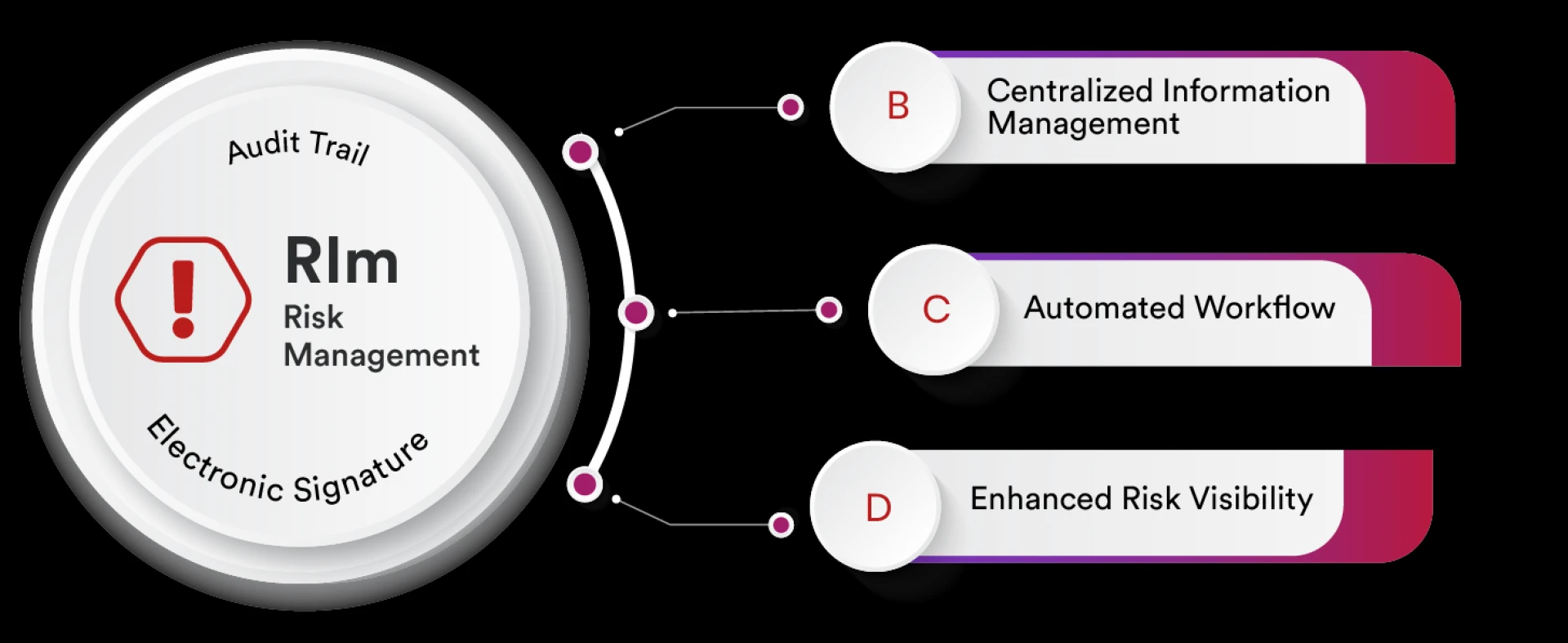
- Automating Compliance and Documentation: Qualityze EQMS Software centralizes compliance workflows. It tracks HIPAA, ISO, and FDA requirements in one system, and automated alerts reduce audit failures.
- Real-Time Risk Monitoring and Analytics: The software detects patterns in incidents. Predictive analytics help prevent errors. Hospitals using risk management and quality management technology report 40% fewer adverse events.
- Risk Assessment Tools: Qualityze Risk Management software includes built-in risk assessment tools that allow healthcare providers to evaluate potential risks in patient care, safety protocols, and medical procedures.
- Streamlined Incident Reporting: Staff can log risks instantly via mobile or desktop. Reports auto-escalate to managers, cutting response time by 60%.
- Cost Reduction Through Proactive Measures: Preventing errors saves money. Hospitals using enterprise risk management software reduce malpractice claims by 35%.
The Role of Technology in Managing Quality and Risk
As healthcare systems grow more complex, technology becomes essential for quality and risk management in healthcare industry. Modern risk management and quality management technology help healthcare organizations identify, assess, and mitigate risks across multiple dimensions.
One of the most effective healthcare risk management tools is integrated risk management software (IRM). IRM provides a comprehensive solution by connecting various risk management functions into a single platform, such as incident reporting, compliance monitoring, and patient safety tracking. It enables healthcare providers to see the bigger picture of potential risks, respond promptly, and ensure that corrective actions are efficient and effective.
Enterprise risk management software provides real-time visibility into all aspects of an organization’s risk landscape, whether operational, financial, or clinical. This technology allows decision-makers to quickly identify emerging threats and prioritize them accordingly. Additionally, it can help automate repetitive tasks such as incident reporting and compliance checks, ensuring that no risks are overlooked.
Conclusion
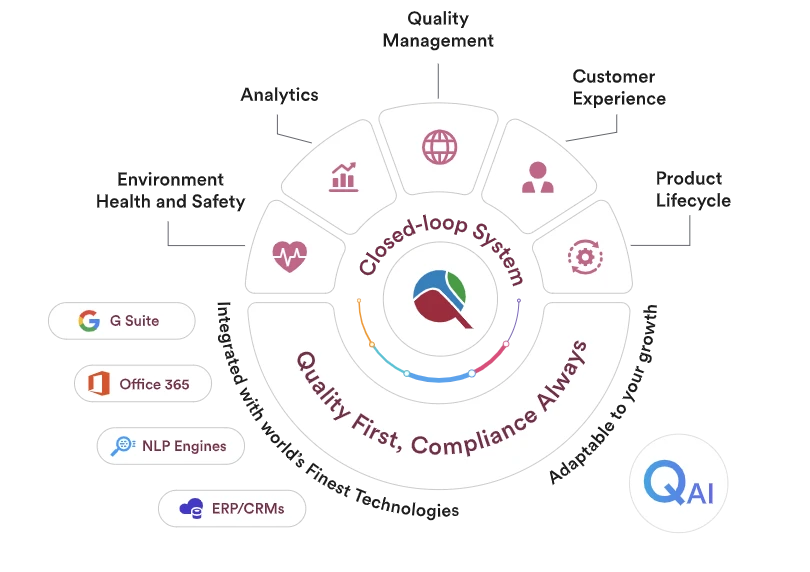
The challenges associated with quality and risk management in healthcare are significant but not insurmountable. By leveraging risk management and quality management technology, healthcare organizations can address these challenges head-on. Tools like Qualityze EQMS Software and Risk Management Software offer a centralized solution for tracking and managing risks, ensuring compliance, and ultimately improving the quality of care. Investing in such technologies can reduce errors, enhance patient safety, and lower costs—critical benefits for healthcare organizations' sustainability in today’s fast-paced environment.