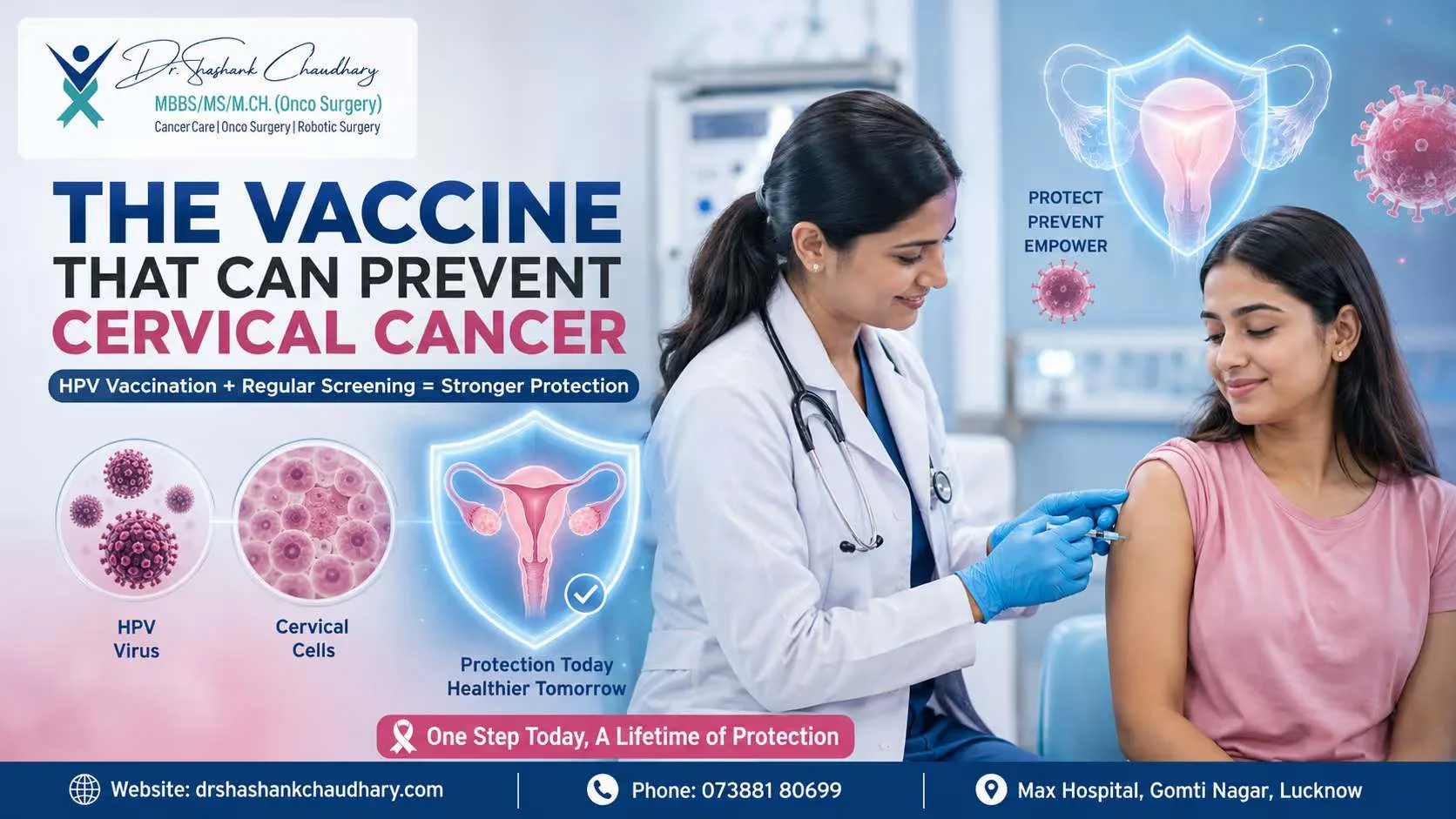
Cervical cancer remains one of the most common cancers affecting women worldwide. Despite being largely preventable, thousands of women in India continue to receive a diagnosis every year, often at advanced stages when treatment becomes more challenging. Fortunately, medical advancements such as HPV vaccination, regular cervical cancer screening, and increased awareness have dramatically reduced the burden of this disease.
Understanding how the Human Papillomavirus (HPV) vaccine works and why screening remains essential can help women make informed healthcare decisions and significantly reduce their risk of developing cervical cancer.
What Is Cervical Cancer?
Cervical cancer develops in the cervix, the lower portion of the uterus that connects to the vagina. In most cases, the disease develops slowly over several years through a series of precancerous changes in cervical cells.
One of the most important facts about cervical cancer is that it rarely develops suddenly. Before cancer forms, abnormal cellular changes known as cervical dysplasia or precancerous lesions occur. These changes often produce no symptoms, making regular screening essential for early detection.
According to global health organizations, nearly all cases of cervical cancer are linked to persistent infection with high-risk types of Human Papillomavirus (HPV).
As specialists in preventive oncology emphasize, preventing cancer is always better than treating it. This is why many patients seeking guidance from the Best surgical oncologist in Lucknow prioritize vaccination and routine screening as part of their long-term health strategy.
Understanding HPV and Its Role in Cervical Cancer
Human Papillomavirus (HPV) is one of the most common viral infections worldwide. More than 200 different HPV types have been identified, but only some are considered high-risk for cancer development.
High-Risk HPV Types
HPV types 16 and 18 are responsible for approximately 70% of cervical cancer cases globally. Other high-risk strains include HPV 31, 33, 45, 52, and 58.
How HPV Causes Cancer
The progression from HPV infection to cervical cancer generally occurs in stages:
- HPV infects cervical cells.
- The virus persists instead of being cleared by the immune system.
- Genetic changes develop within cervical cells.
- Precancerous lesions form.
- Untreated lesions gradually progress to invasive cancer.
This process may take 10–20 years, providing a valuable opportunity for prevention and early intervention through vaccination and screening.
What Is the HPV Vaccine?
The HPV vaccine is designed to protect against the most dangerous HPV strains that cause cervical cancer and several other HPV-related cancers.
Unlike traditional vaccines containing weakened viruses, the HPV vaccine contains virus-like particles (VLPs). These particles mimic the outer structure of the virus but cannot cause infection.
When vaccinated, the body's immune system produces protective antibodies. If the person is later exposed to HPV, these antibodies help prevent the virus from infecting cervical cells.
It is important to understand that the HPV vaccine is preventive rather than therapeutic. It cannot treat existing HPV infections or established cervical cancer.
Who Should Receive the HPV Vaccine?
Health organizations worldwide, including the World Health Organization (WHO) and Centers for Disease Control and Prevention (CDC), recommend HPV vaccination before exposure to the virus.
Recommended Age Groups
Children and Adolescents (9–12 years): This is considered the ideal age for vaccination because the immune response is strongest and exposure to HPV has not yet occurred.
Teenagers and Young Adults (13–26 years): Catch-up vaccination is recommended for those who missed vaccination earlier.
Adults (27–45 years): Vaccination may still offer protection and should be discussed with a qualified healthcare professional.
Many parents consult the Best Oncologist in Lucknow to better understand whether HPV vaccination is appropriate for their children and family members.
Why Early Vaccination Is Important
Research consistently shows that vaccination before HPV exposure provides the highest level of protection.
Benefits of Early Vaccination
- Stronger immune response
- Long-lasting protection
- Prevention before exposure to HPV
- Significant reduction in cervical cancer risk
Studies have demonstrated that adolescents vaccinated between the ages of 9 and 13 develop higher antibody levels than older individuals receiving the same vaccine.
For this reason, healthcare professionals strongly encourage parents to vaccinate children during pre-teen years.
Does the HPV Vaccine Really Prevent Cervical Cancer?
The scientific evidence supporting HPV vaccination is overwhelming.
A landmark study published in The Lancet demonstrated that women vaccinated at ages 12–13 experienced up to an 87% reduction in cervical cancer risk compared to unvaccinated populations.
Global Success Stories
Australia Australia is expected to become one of the first countries in the world to virtually eliminate cervical cancer due to widespread HPV vaccination and screening programs.
United States Since the introduction of HPV vaccination, cervical cancer rates among young women have declined significantly.
These findings confirm that HPV vaccination is one of the most successful cancer prevention strategies ever developed.
HPV Vaccine Safety: What the Evidence Shows
Safety concerns are common among parents, but extensive research has consistently confirmed the vaccine's safety profile.
More than 15 years of global monitoring and millions of administered doses have demonstrated that serious side effects are extremely rare.
Common Side Effects
- Mild pain at the injection site
- Redness or swelling
- Temporary dizziness
- Mild headache
- Nausea
What the Vaccine Does Not Cause
Scientific studies have found no evidence linking HPV vaccination to:
- Infertility
- Premature ovarian failure
- Autoimmune diseases
- Neurological disorders
The WHO, CDC, and multiple international health organizations continue to recommend HPV vaccination as a safe and effective preventive measure.
Why Screening Is Still Necessary After Vaccination
One common misconception is that vaccination eliminates the need for cervical cancer screening. This is not true.
Although the vaccine protects against the most dangerous HPV strains, it does not cover every cancer-causing type.
Recommended Screening Guidelines
Women aged 21–29 years
- Pap Smear every 3 years
Women aged 30–65 years
- HPV Test plus Pap Smear every 5 years
Combining vaccination with regular screening offers the highest level of protection against cervical cancer.
This comprehensive approach is frequently recommended by the Best Cancer Doctor in Lucknow for women seeking proactive cancer prevention.
Common Myths About HPV Vaccination
Myth 1: HPV Vaccine Is Only for Girls
Fact: Boys should also be vaccinated because HPV can cause cancers of the throat, anus, and genital region in men.
Myth 2: The Vaccine Encourages Sexual Activity
Fact: Multiple studies have shown no relationship between HPV vaccination and increased sexual activity.
Myth 3: Adults Cannot Benefit from the Vaccine
Fact: Adults up to age 45 may still receive protection against HPV strains they have not yet encountered.
Myth 4: HPV Infection Always Leads to Cancer
Fact: Most HPV infections resolve naturally. Cancer develops only when high-risk infections persist over time.
Additional Ways to Reduce Cervical Cancer Risk
Vaccination and screening remain the foundation of prevention, but healthy lifestyle choices also contribute to reducing risk.
Stop Smoking
Smoking damages cervical cells and increases the likelihood of cancer development.
Practice Safe Sexual Health
Barrier protection methods may reduce HPV transmission.
Maintain a Healthy Immune System
A nutritious diet rich in fruits, vegetables, folate, and antioxidants supports immune function and helps the body fight infections.
Recognize Early Symptoms
Seek medical evaluation if you experience:
- Abnormal vaginal bleeding
- Bleeding after intercourse
- Persistent pelvic pain
- Unusual vaginal discharge
Early evaluation often leads to earlier diagnosis and better outcomes.
When Should You Consult a Specialist?
Women who have abnormal Pap smear results, concerns about HPV vaccination, a family history of cancer, or symptoms suggestive of cervical disease should seek expert medical advice.
Consulting an experienced cancer specialist can help determine the most appropriate screening schedule, vaccination plan, and preventive strategies based on individual risk factors.
Patients seeking expert guidance often consult the Best Oncologist in Lucknow for evidence-based recommendations regarding HPV vaccination, cervical cancer prevention, and comprehensive cancer screening services.
Conclusion
Cervical cancer is one of the few cancers that can largely be prevented through vaccination, screening, and awareness. The HPV vaccine has transformed cancer prevention by significantly reducing the risk of developing cervical cancer and other HPV-related diseases.
When combined with routine Pap smear testing and healthy lifestyle choices, vaccination provides powerful protection that can save lives.
For women and families seeking reliable information about HPV vaccination, cervical cancer screening, and preventive oncology, consulting the Best Cancer Specilaist in Lucknow-Dr Shashank Chaudhary can help ensure informed decisions and long-term health protection. Early prevention today can prevent serious health complications tomorrow.