
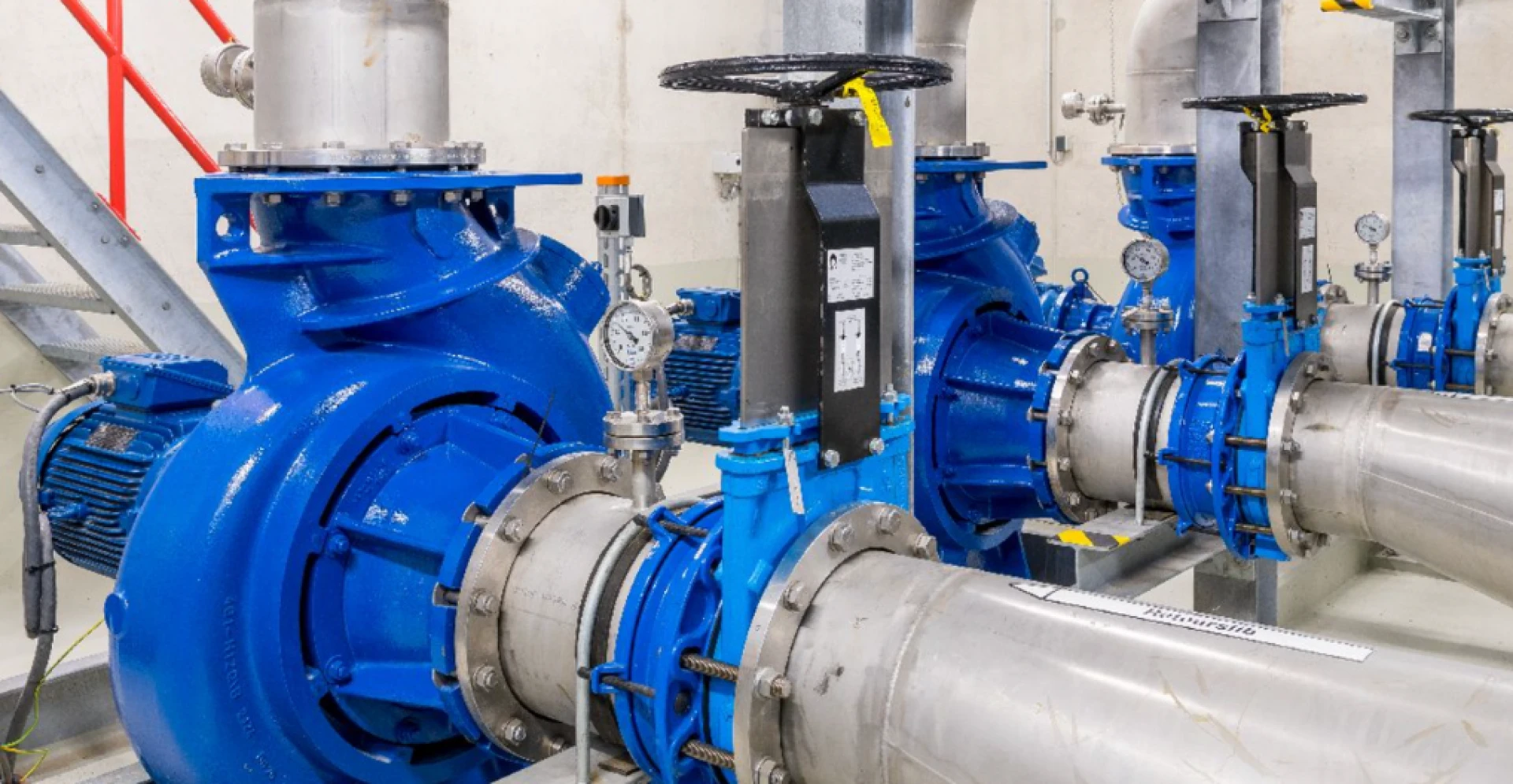
A system rarely fails all at once. It drifts over time. Pressure drops during peak hours. Flow becomes uneven. Energy bills rise without a clear reason. These signals often point to one overlooked factor, centrifugal pump pressure.
In modern industrial setups, pressure is not just an output metric. It defines process stability, product quality, and equipment life. A pump that cannot hold steady pressure under varying demand creates stress across the entire system. And that is where next-generation centrifugal pump design brings a shift toward precision and control.
What Does Centrifugal Pump Pressure Really Mean in Operations?
Centrifugal pump refers to the force generated to move fluid through a system at a required flow rate. But in real operations, it goes beyond a simple reading on a gauge. It directly affects how efficiently the system performs under load.
It also influences how fluids interact with valves, pipelines, and end-use equipment. A stable pressure curve ensures predictable performance. An unstable one introduces inefficiencies that build up over time and affect output quality.
Modern centrifugal systems focus on maintaining this balance even under fluctuating loads. This approach improves system response and reduces wear on connected components.
How Next-Gen Centrifugal Pumps Handle Pressure Differently
Traditional pumps often operate efficiently within a limited range. Once demand shifts, performance drops, and pressure becomes inconsistent. Newer centrifugal pump models address this limitation through refined engineering and better internal design.
Centrifugal pump pressure maintains pressure across a wider operating range. They respond better to load variations and support smoother system performance without constant manual adjustment.
Key Design Elements
● Closed and semi-open impellers for controlled and stable flow.
● Heavy-duty shaft construction to reduce deflection.
● High-efficiency motors aligned with load requirements.
● Mechanical seals designed for extended service life.
Where Do These Pumps Make the Biggest Impact?
Industries that rely on stable pressure benefit immediately from upgraded centrifugal systems. Water treatment plants require a steady flow to maintain filtration accuracy and system balance. Chemical processing units depend on precise pressure to support consistent reactions.
In manufacturing environments, even small pressure variations can affect output quality. A system that maintains centrifugal pump pressure ensures smoother operation and fewer production interruptions. This leads to better efficiency and controlled operating costs.
Practical Signs That a System Needs an Upgrade
It is not always obvious when a pump underperforms. Performance issues often appear gradually, making them easy to overlook during routine operations.
But certain patterns indicate the need for change:
● Gradual decline in pressure during operation
● Increased vibration and noise levels
● Rising energy consumption without higher output
● Frequent seal or bearing replacements
Final Perspective and Action Step
Centrifugal pump pressure defines how efficiently a system performs under real conditions. Ignoring it leads to instability, higher costs, and operational delays that affect overall productivity.
A well-designed centrifugal pump system maintains balance, reduces wear, and supports consistent output. The difference becomes clear in daily operations, not just in technical data. Identify gaps in efficiency and plan an upgrade that aligns with next-generation demand. A precise pump selection today can improve reliability for years ahead.