The Central Drugs Standard Control Organization (CDSCO) is the apex regulatory body in India responsible for the classification, approval, and registration of medical devices. Governed by the Drugs and Cosmetics Act (1940) and the Drugs and Cosmetics Rules (1945), the CDSCO ensures that every medical device in India adheres to a structured regulatory framework. This framework is designed to safeguard public health by categorizing medical devices based on their risk levels and intended use.
In this blog, we will explore the CDSCO classification for medical devices, the registration process, and the risk-based categorization system. Additionally, we will discuss how manufacturers and sellers can comply with Indian regulations and the role of regulatory consultants in facilitating the process.
Overview of CDSCO Classification for Medical Devices
The CDSCO classification system is a critical component of India’s medical device regulatory framework. It categorizes medical devices into four classes (A, B, C, and D) based on the risk they pose to patients and users. This classification determines the level of regulatory scrutiny required for each device, ensuring that higher-risk devices undergo more rigorous evaluation.
The CDSCO, along with state authorities, is responsible for granting licenses for medical devices falling under different classes. Examples of such devices include blood collection tubes, I.V. sets, in-vitro diagnostic products, and more. The classification system is regularly updated to align with international standards and technological advancements.
CDSCO Registration: Why Is It Important?
The CDSCO serves as India’s national regulatory body for medical devices and pharmaceuticals. It functions similarly to global regulatory agencies such as the European Medicines Agency (EMA), the U.S. Food and Drug Administration (FDA), and the UK’s Medicines and Healthcare Products Regulatory Agency (MHRA).
For manufacturers and sellers of medical devices, obtaining a CDSCO registration is mandatory. This license ensures that the devices meet the safety, quality, and efficacy standards set by the Indian government. Without proper registration, medical devices cannot be legally manufactured, imported, or sold in India.
Operon Strategist, a leading medical device regulatory consultancy firm, specializes in assisting manufacturers and sellers with the CDSCO registration process. From classifying devices to securing manufacturing and import licenses, their expertise ensures a smooth and compliant regulatory journey.
Risk-Based Classification of Medical Devices
The CDSCO classification system is based on the risk associated with a medical device’s intended use. The higher the risk, the stricter the regulatory requirements. This risk-based approach ensures that devices posing minimal risk are subject to simpler regulatory processes, while high-risk devices undergo thorough evaluation.
Under the New Medical Device Rules (2018), medical devices and in-vitro diagnostic (IVD) products are classified into four categories:
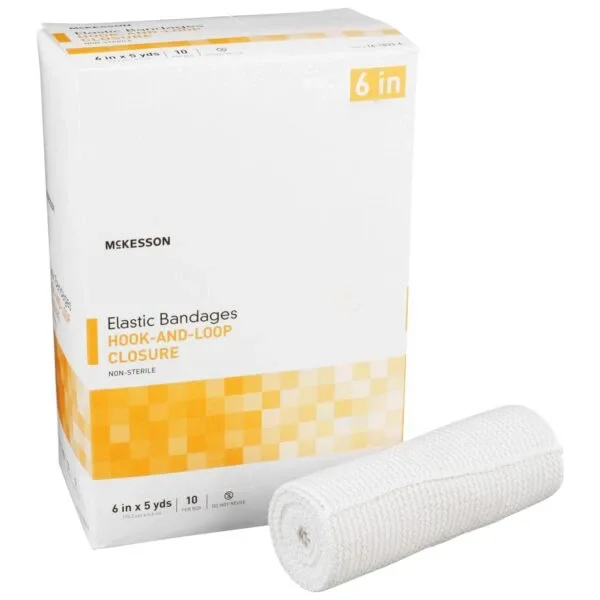
- Class A (Low Risk): Devices that pose the least risk to patients. Examples include elastic bandages and mechanical barriers used for wound care.
- Class B (Low to Moderate Risk): Devices such as contact lenses and hypodermic needles fall into this category.
- Class C (Moderate to High Risk): This category includes devices like blood bags and bone fixation plates.
- Class D (High Risk): Devices that pose the highest risk, such as implantable defibrillators and heart valves, are classified under Class D.
The classification of a medical device depends on factors such as its intended use, duration of use, and the degree of invasiveness. For instance, a device that comes into direct contact with the central nervous system or is used to diagnose or monitor heart conditions would typically be classified as Class D.
Examples of Medical Device Classifications
To better understand the CDSCO classification system, let’s look at some examples:
- Class A: An elastic bandage used to apply pressure or absorb exudates for wounds that have not ruptured the dermis. Such devices are considered low-risk and can be classified as Class A.
- Class B: Contact lenses are an example of Class B devices, which present a low to moderate risk to users.
- Class C: Blood bags that do not contain medicinal products fall under Class C, representing moderate to high-risk devices.
- Class D: A surgically invasive device used in direct contact with the central nervous system or for diagnosing and monitoring heart conditions would be classified as Class D due to its high-risk nature.
These classifications help manufacturers and importers understand the regulatory requirements for their products, including the need for clinical data, quality management systems, and import licensing.
The Importance of Aligning with International Standards
The CDSCO’s new medical device rules aim to align India’s regulatory framework with international standards. This alignment facilitates the smooth manufacturing and importing of medical devices, making it easier for global manufacturers to enter the Indian market.
By adopting risk-based classifications and streamlining regulatory processes, the CDSCO ensures that Indian patients have access to safe and effective medical devices. Additionally, the updated rules provide clarity and transparency, reducing the time and cost associated with regulatory compliance.
How Regulatory Consultants Can Help
Navigating the CDSCO registration process can be complex, especially for manufacturers new to the Indian market. Regulatory consultants like Operon Strategist play a crucial role in simplifying this process. Their services include:
- Device Classification: Assisting manufacturers in classifying their devices according to CDSCO guidelines.
- Documentation: Preparing and submitting the necessary documentation for CDSCO registration.
- Licensing: Securing manufacturing and import licenses (Form MD-15 for imports and Form MD-41 for wholesale distribution).
- Compliance: Ensuring ongoing compliance with Indian regulations and updates.
By partnering with experienced consultants, manufacturers can focus on innovation and product development while leaving the regulatory complexities to the experts.
FAQs on CDSCO Registration of Medical Devices
1. Where to apply for a CDSCO import license for medical devices?
The CDSCO, under the Directorate General of Health Services (DGHS) in the Ministry of Health & Family Welfare, issues import licenses for medical devices. Applicants must submit an application in Form MD-14 through the CDSCO online portal to obtain an import license in Form MD-15.
2. Which license is required to sell medical devices in India?
To sell or distribute medical devices in India, applicants must obtain a wholesale license (Form MD-41) and a manufacturing license. Applications must be submitted through the Ministry of Health and Family Welfare’s online portal to the respective State Licensing Authority based on the applicant’s location.
Conclusion
The CDSCO classification for medical devices is a vital aspect of India’s regulatory framework, ensuring that medical devices are safe, effective, and of high quality. By categorizing devices into four risk-based classes, the CDSCO provides a clear and structured pathway for manufacturers and sellers to comply with Indian regulations.
Whether you are a manufacturer looking to enter the Indian market or a seller seeking to distribute medical devices, understanding the CDSCO registration process is essential. With the help of regulatory consultants like Operon Strategist, you can navigate the complexities of CDSCO compliance and ensure a seamless entry into the Indian market.
Also, explore our resources on Medical Device Classification under EU MDR and FDA Medical Device Classification to stay informed about global regulatory standards