Industrial equipment used in mining, cement, power plants, steel plants, and material handling often faces heavy wear. Rock, sand, coal, minerals, clinker, and slurry can continuously rub against metal surfaces and damage them over time.
CCO Plates are made to handle these difficult conditions. They provide a hard and wear-resistant surface that helps protect equipment from severe abrasion and can increase the working life of wear-prone components.
What Are CCO Plates?
CCO stands for Chromium Carbide Overlay.
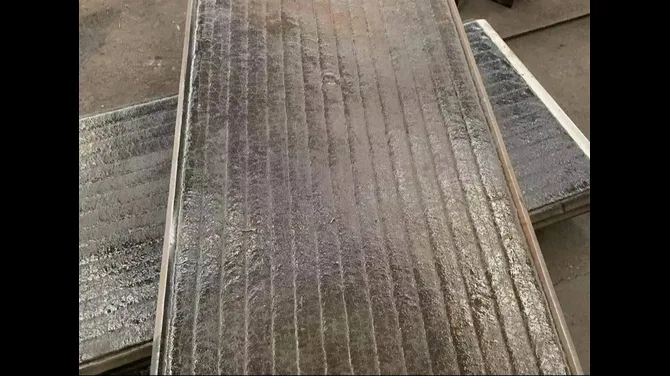
CCO Plates are wear-resistant steel plates made by depositing a chromium and carbon-rich hardfacing layer onto a steel base plate.
The base plate provides strength, while the CCO layer provides resistance to abrasive wear.
In simple terms, a CCO Plate consists of:
- A strong steel base
- A hard chromium carbide overlay
- A wear-resistant working surface
This combination makes CCO Plates suitable for equipment that handles abrasive materials on a regular basis.
How Do CCO Plates Work?
When abrasive materials move across a normal steel surface, they gradually remove material from the surface. This can make equipment thinner and weaker over time.
A CCO Plate has a hard overlay that is designed to take much of this abrasive action. The chromium carbide-rich layer protects the steel base and helps slow down surface wear.
The actual service life depends on several factors, including the type of material being handled, material size, operating speed, impact, temperature, overlay thickness, and equipment design.
How Are CCO Plates Made?
CCO Plates are generally produced through a hardfacing welding process.
First, a suitable steel plate is selected as the base. A wear-resistant alloy containing chromium and carbon is then deposited onto the surface.
During the welding process, chromium carbide structures form within the overlay. These hard structures provide resistance to abrasive wear.
Manufacturers can control factors such as overlay thickness, plate dimensions, and alloy composition according to the intended application.
Because manufacturing methods can vary, buyers should check the manufacturer's technical specifications before selecting a CCO Plate.
Main Features of CCO Plates
High Abrasion Resistance
CCO Plates are mainly used where abrasive wear is a serious problem. The hard overlay helps protect surfaces from continuous rubbing and sliding contact.
Strong Steel Base
The steel base provides structural support and allows the plate to be used in many fabricated components.
Hard Working Surface
The chromium carbide-rich overlay creates a hard surface designed for demanding wear conditions.
Suitable for Heavy-Duty Applications
CCO Plates are commonly used in industries where equipment handles abrasive materials continuously.
Available in Different Sizes
CCO Plates can be supplied in different thicknesses and dimensions depending on equipment requirements and manufacturer capabilities.
Where Are CCO Plates Used?
CCO Plates are used in many industries where abrasive wear can cause frequent maintenance problems.
Mining Industry
Mining equipment handles rock, ore, minerals, and other abrasive materials.
CCO Plates can be used for:
- Hopper liners
- Chute liners
- Crusher liners
- Conveyor liners
- Feeder liners
- Transfer points
- Dump truck liners
- Screening equipment
They help protect surfaces that are continuously exposed to abrasive materials.
Cement Industry
Cement plants handle materials such as limestone, clinker, coal, and raw materials. These materials can cause considerable wear.
CCO Plates can be used in:
- Chutes
- Hoppers
- Conveyor systems
- Bucket liners
- Transfer points
- Material handling equipment
- Wear liners
Using wear-resistant plates in high-wear areas can help reduce the frequency of repairs and replacements.
Power Plants
Coal and ash handling systems can experience heavy abrasion during normal operation.
CCO Plates are used in suitable areas such as:
- Coal chutes
- Ash chutes
- Hoppers
- Bins
- Conveyor systems
- Transfer points
- Ash handling equipment
Steel Plants
Steel plants handle iron ore, coal, coke, slag, and other materials that can wear equipment surfaces.
CCO Plates can be used as protective liners in different material handling and processing areas.
Dredging Applications
Dredging equipment handles sand, gravel, mud, and other materials that can cause severe abrasive wear.
CCO Plates can be used in selected wear-prone parts of dredging and material handling equipment.
Slurry Handling
Slurry systems contain solid particles that can continuously wear surfaces and equipment.
CCO Plates can be used for suitable applications involving:
- Slurry chutes
- Wear liners
- Hoppers
- Material handling components
- Selected pipe and equipment liners
The correct plate should be selected according to the slurry composition, particle size, flow conditions, and operating environment.
Benefits of CCO Plates
Longer Wear Life
The hard overlay can provide better protection than ordinary steel in severe abrasive conditions.
Reduced Maintenance
When wear-prone surfaces last longer, equipment may need fewer repairs and replacements.
Less Equipment Downtime
Frequent wear-related repairs can stop production. Better wear protection can help reduce unplanned maintenance.
Protection of Equipment
CCO Plates act as a protective layer between abrasive materials and the equipment structure.
Practical for Severe Abrasion
CCO Plates are particularly useful where ordinary steel wears too quickly and regular replacement becomes expensive or inconvenient.
CCO Plates vs. Ordinary Steel Plates
Ordinary steel plates are suitable for many general fabrication and structural applications. However, they may wear quickly when exposed to continuous abrasion.
CCO Plates are specifically designed to provide additional wear protection.
FeatureOrdinary Steel PlateCCO PlateMain purposeGeneral fabricationWear protectionAbrasion resistanceGeneralHighSurfaceSteelChromium carbide overlaySevere abrasionApplication dependentCommonly usedTypical useStructural applicationsChutes, hoppers, liners and wear partsMaintenance in abrasive serviceCan be higherCan be reducedThe best choice depends on the actual working conditions. A CCO Plate is not automatically the right material for every application.
What Should You Consider When Selecting CCO Plates?
Choosing a CCO Plate requires more than simply checking hardness.
Type of Wear
Identify whether the equipment mainly experiences sliding abrasion, impact abrasion, erosion, or a combination of wear mechanisms.
Material Being Handled
The type of material has a major effect on wear. Rock, sand, coal, clinker, ore, and slurry can produce different wear patterns.
Impact Level
If large pieces of material hit the plate with force, impact resistance becomes an important consideration.
Overlay Thickness
The required overlay thickness depends on the expected wear rate and the application.
Base Plate Thickness
The base plate needs to provide enough strength and support for the equipment where the CCO Plate will be installed.
Operating Temperature
High-temperature applications require careful material selection. Always check whether the selected plate is suitable for the actual working temperature.
Fabrication Requirements
CCO Plates may need to be cut, welded, bent, or fabricated into a specific shape. These operations should follow the manufacturer's recommended procedures.
Common Applications of CCO Plates
CCO Plates are commonly used for:
- Hopper liners
- Chute liners
- Crusher liners
- Conveyor liners
- Feeder liners
- Bucket liners
- Bins
- Transfer points
- Coal handling equipment
- Ash handling equipment
- Mining equipment
- Cement plant equipment
- Slurry handling equipment
- Material handling systems
How to Improve the Service Life of CCO Plates
Correct selection is only one part of getting good performance. Proper installation and maintenance are also important.
Before installation, check the equipment surface and make sure it is properly prepared. Follow the recommended welding and fabrication procedures.
The plate should also be installed securely so that it does not move during operation.
Regular inspection can help identify wear before it becomes a serious problem. Replacing a worn liner at the right time can help protect the equipment underneath.
Why Are CCO Plates Important for Industrial Equipment?
Wear is a normal part of many industrial processes, but uncontrolled wear can become expensive. It can reduce equipment efficiency, increase maintenance work, and cause unexpected downtime.
CCO Plates provide a practical way to protect high-wear areas. Instead of allowing the main equipment structure to wear directly, a replaceable wear-resistant plate takes much of the abrasive action.
This makes CCO Plates useful for industries where abrasive materials are handled every day.
Conclusion
CCO Plates, or Chromium Carbide Overlay Plates, are designed to provide protection against severe abrasive wear. They combine a strong steel base with a hard chromium carbide-rich overlay.
They are widely used in mining, cement, power generation, steel, dredging, slurry handling, and other heavy-duty industries.
For more details contact us-
[email protected]
Phone-+91-98215-13630
Website-https://www.hard-tuff.com/hardtuff-cco-wearplate-grade-manufacturers-exporters-suppliers-stockists.html