
You step into a procedure knowing every movement matters. Access, navigation, deployment, and control all depend on how reliably your tools respond. Catheter Delivery Systems sit at the center of that experience, quietly shaping outcomes while you focus on anatomy and technique. In modern cardiac care, performance is not about complexity; it is about consistency. When delivery systems work seamlessly, procedures feel smoother, decisions feel clearer, and patient care benefits in measurable ways.
The Foundation of Catheter Delivery Systems in Practice
At their core, Catheter Delivery Systems are designed to help you reach, treat, and restore blood flow with accuracy. They must track predictably, respond to subtle hand movements, and maintain stability once positioned. In daily practice, you rely on this reliability without thinking twice. Whether navigating tortuous vessels or advancing through resistant lesions, the delivery system becomes an extension of your intent. That connection between hand and device defines procedural confidence.
How Catheter Delivery Systems Support Procedural Flow
Efficiency in the lab is built on rhythm. With well-designed Catheter Delivery Systems, exchanges feel intuitive, transitions stay smooth, and interruptions are minimized. This flow matters. It reduces procedure time, limits contrast use, and helps the entire team stay focused. When delivery systems behave consistently, you can concentrate on strategy instead of troubleshooting equipment. Over time, that reliability becomes part of how you plan each case.
Interventional Cardiology Devices and Integrated Design
Modern Interventional Cardiology Devices are no longer evaluated in isolation. They are assessed by how well they work together. Delivery systems must integrate seamlessly with guidewires, balloons, and stents. Compatibility reduces friction during procedures and lowers the risk of unexpected resistance. This integrated approach supports predictable performance, especially during complex interventions where every second and every movement counts.
Precision Matters with Cardiovascular Balloon Catheters
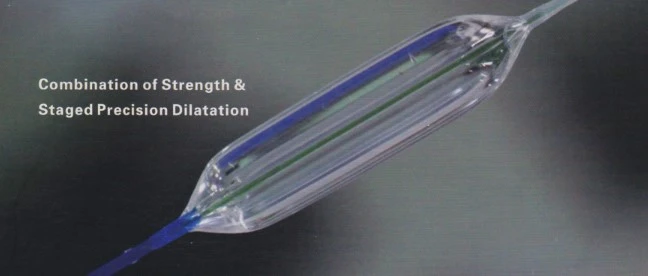
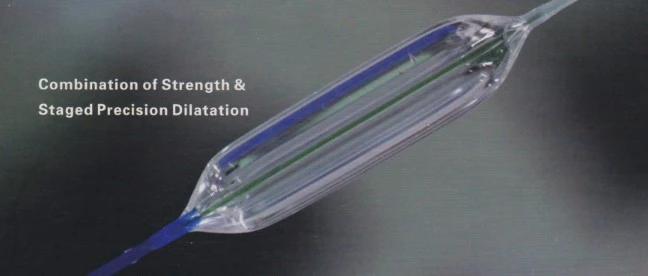
When using Cardiovascular Balloon Catheters, delivery precision directly affects outcomes. Controlled advancement, stable positioning, and predictable inflation all depend on the underlying delivery system. A well-engineered platform allows you to feel resistance early and respond thoughtfully. This tactile feedback supports safer dilation and more accurate lesion preparation. In high-stakes moments, that sense of control helps you work confidently within delicate vascular environments.
Catheter Delivery Systems in Complex Anatomy
Not every case follows a straight path. Calcified vessels, sharp angles, and long lesions challenge even the most experienced hands. Catheter Delivery Systems designed for flexibility and support help you navigate these conditions without sacrificing control. Balanced shaft construction, responsive torque, and low-profile designs work together to maintain access where it matters most. This adaptability expands treatment options for patients who might otherwise face limited solutions.
Supporting Consistency Across Patient Profiles
Every patient brings a unique vascular landscape. Catheter Delivery Systems must perform reliably across a wide range of anatomies and clinical scenarios. Consistency reduces variability and helps standardize outcomes. When devices respond the same way from case to case, you gain confidence in your approach. This predictability supports training, teamwork, and long-term procedural success across diverse patient populations.
Engineering That Respects the Operator
The best delivery systems are built with your experience in mind. Catheter Delivery Systems that prioritize ergonomics reduce fatigue during longer procedures. Smooth transitions, clear markers, and intuitive handling all contribute to a better working environment. These details may seem subtle, but over time they make a meaningful difference. When equipment supports you physically and mentally, focus stays where it belongs, on patient care.
Safety and Control Through Thoughtful Design
Safety is not a single feature; it is the result of many small design choices working together. Catheter Delivery Systems contribute to safety by maintaining stability, reducing unintended movement, and supporting controlled deployment. This control helps lower the risk of vessel trauma and procedural complications. When systems perform as expected, decision-making becomes calmer and more deliberate, even in challenging situations.
Innovation Focused on Real Clinical Needs
Progress in cardiac care comes from listening closely to clinical realities. Advances in Catheter Delivery Systems often reflect small but meaningful improvements in materials, profiles, and responsiveness. These refinements support smoother navigation and better outcomes without adding unnecessary complexity. Innovation grounded in real-world use strengthens trust and encourages adoption in daily practice.
Catheter Delivery Systems and Long-Term Confidence
Confidence builds over time, case by case. When catheter delivery systems deliver consistent performance, they become a dependable part of your procedural planning. You know how they will respond, how they will feel, and how they will support your technique. This familiarity reduces cognitive load and allows you to focus on adapting strategy to patient needs rather than adjusting to equipment behavior.
Conclusion
In today’s evolving landscape of cardiac care, Catheter Delivery Systems play a defining role in procedural success. They connect advanced Interventional Cardiology Devices with precise clinical execution and support the effective use of Cardiovascular Balloon Catheters. When delivery systems are engineered for control, consistency, and integration, they enhance confidence at every stage of intervention. For you, that means clearer decisions, smoother procedures, and better outcomes built on reliable performance you can trust.