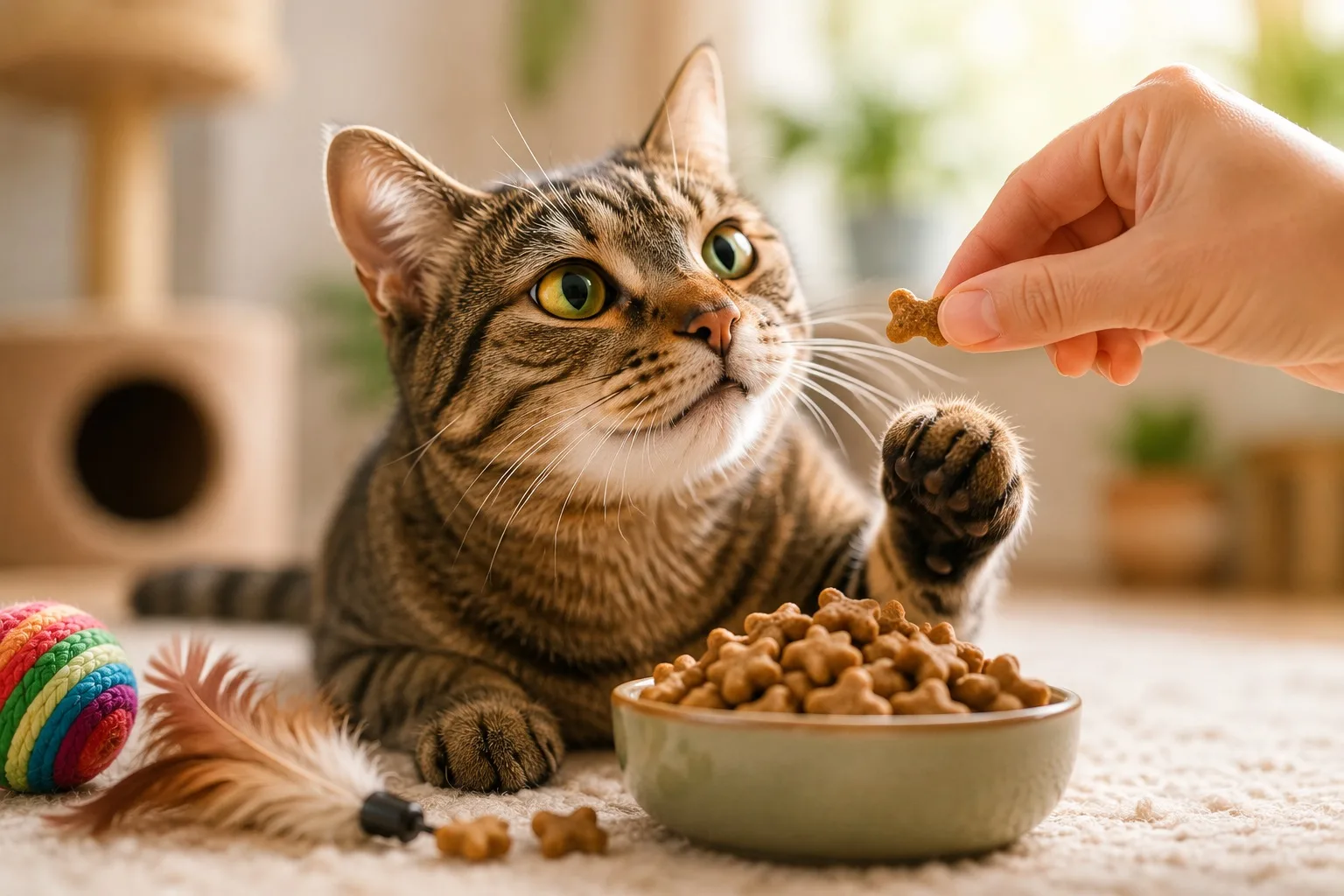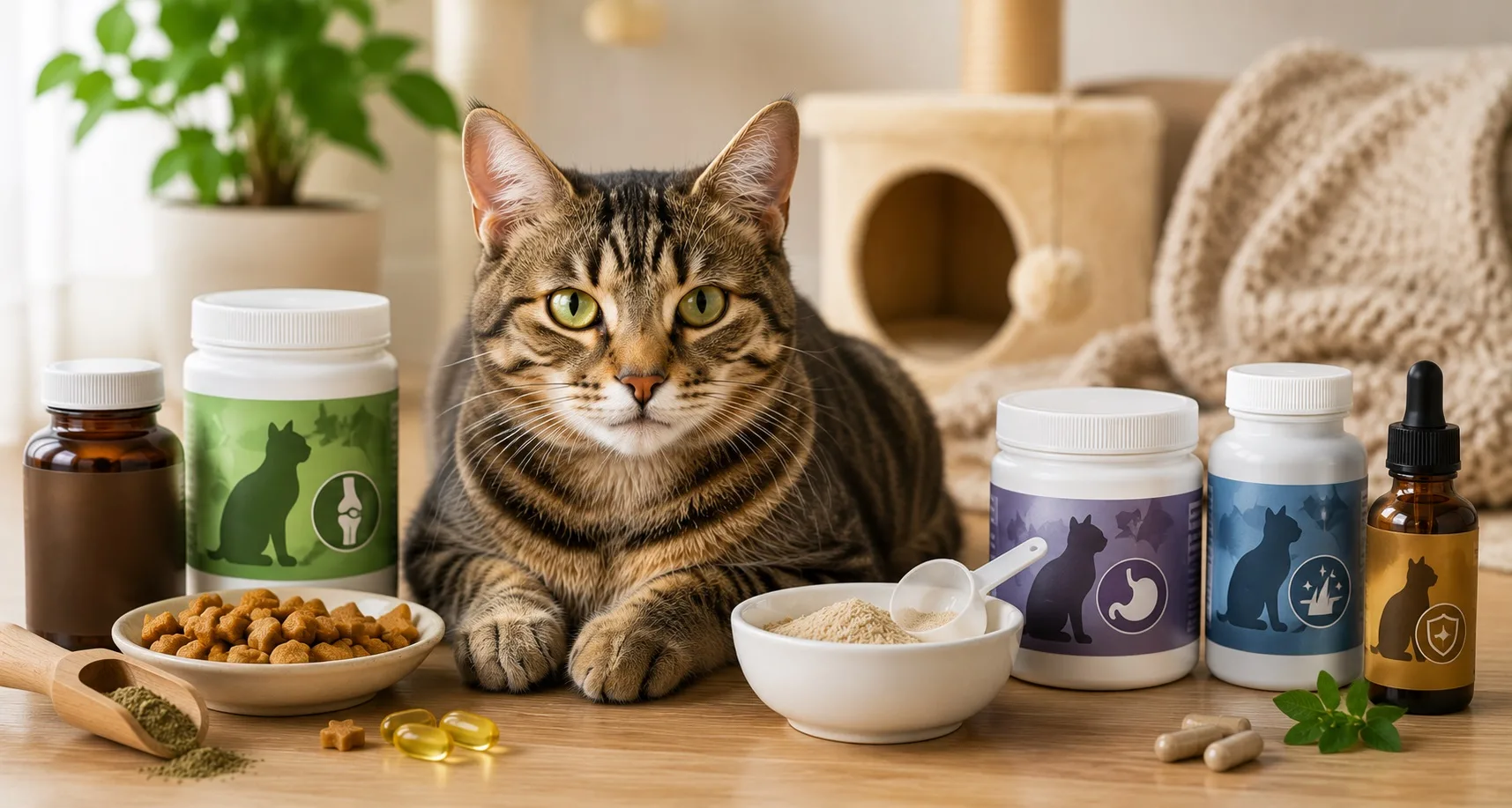
Your cat eats a complete diet, looks healthy, and seems happy. So, does your cat really need a supplement?
That is where things can get confusing. Walk into a pet store or search online and you will find cat supplements for almost everything: skin and coat support, digestion, joints, urinary health, immunity, and more. Some contain vitamins, minerals, fatty acids, probiotics, or fiber.
But more supplements do not always mean better health.
For many healthy cats eating a complete and balanced diet, extra supplementation may not be necessary. The right approach is to understand what your cat already gets from food, identify any genuine nutritional gaps, and then choose additional support only when it makes sense.
Let's break down what your cat may actually need, what supplements can do, and when it is better to talk to your veterinarian first.
What Are Cat Supplements?
Cat supplements are products designed to provide additional nutrients or other ingredients alongside a cat's regular diet.
They may contain:
- Vitamins
- Minerals
- Amino acids
- Omega-3 fatty acids
- Probiotics
- Fiber
- Digestive enzymes
- Joint-support ingredients
- Other nutritional or botanical ingredients
The important word here is additional.
A supplement should not automatically replace a nutritionally complete cat food. Think of it as something that may support a specific need rather than a shortcut to a better diet.
For example, a cat with a veterinarian-identified nutritional deficiency may benefit from a specific supplement. Another cat eating a complete and balanced diet may not need one at all.
That difference matters.
Does Every Cat Need Supplements?
No.
If your cat eats a complete and balanced diet appropriate for its life stage, that food should already provide the essential nutrients needed for normal nutrition.
Adding random supplements on top of that diet can actually create problems. Some vitamins and minerals can be harmful when consumed in excessive amounts.
So before buying a supplement, ask yourself one simple question:
What am I trying to improve?
If the answer is simply "I want my cat to be healthier," start with the basics first:
- Choose an appropriate complete and balanced diet.
- Feed the correct amount.
- Provide fresh water.
- Maintain a healthy body weight.
- Schedule regular veterinary checkups.
- Address any changes in appetite, digestion, coat, or behavior.
Once those basics are covered, a supplement may or may not have a useful role.
Vitamins for Cats: When Do They Matter?
You may see products marketed as vitamins for cats for daily wellness, immunity, energy, skin, and other benefits.
Cats do need specific vitamins. However, needing a vitamin does not automatically mean your cat needs a vitamin supplement.
A complete diet is designed to supply essential nutrients in appropriate amounts. Adding extra vitamins without a clear reason can upset that balance.
For example, certain nutrients are essential for cats because their bodies cannot make enough of them from other substances. Taurine is a well-known example. Cats require taurine as part of their normal nutrition.
This is why the quality and completeness of the main diet matter so much.
When Might a Vitamin Supplement Be Considered?
A veterinarian may recommend additional nutrients when there is a specific reason, such as:
- A confirmed deficiency
- A medical condition affecting nutrient absorption
- A specially formulated homemade diet
- A nutritional need associated with a particular condition
- Recovery from certain illnesses
- A specific life-stage or health requirement
The key is that the supplement should have a purpose.
Don't assume that a product labeled "multivitamin" is automatically better for your cat.
Cat Supplements for Skin and Coat Support
A dull coat or excessive shedding can make owners reach for a supplement quickly.
Omega-3 fatty acids are often used in nutritional products designed to support skin and coat health. They may be useful in certain situations, but the right amount and source matter.
And there is another point that is easy to miss.
A poor coat can have many possible causes. Fleas, allergies, nutritional problems, stress, illness, and other conditions can all affect a cat's skin or coat.
A supplement may not solve the underlying problem.
If your cat suddenly develops excessive scratching, hair loss, skin irritation, or major changes in coat quality, look for the cause rather than simply covering the symptoms with a supplement.
Cat Supplements for Digestive Health
Digestive supplements are another popular category.
You may find products containing probiotics, digestive enzymes, or fiber. These products are often marketed for stool quality, digestion, or general gut support.
But digestive problems are not all the same.
A cat with occasional mild digestive changes may have a completely different issue from a cat with repeated vomiting, diarrhea, constipation, weight loss, or appetite changes.
That's why the first step should be understanding what is happening.
What About Fiber?
Fiber can play a role in feline digestive health. Certain types of fiber may help support normal bowel function.
This brings us to an important search topic: cat food for constipation.
If your cat is having difficulty passing stool, dietary changes or added fiber may sometimes be part of a veterinarian-guided plan. However, constipation can have many causes, and simply giving a fiber supplement is not always the right answer.
Hydration also matters.
If your cat is repeatedly straining in the litter box, producing very little stool, vomiting, losing appetite, acting painful, or becoming lethargic, don't assume the problem is something you can solve with an over-the-counter supplement.
A veterinarian should evaluate the cat to determine the cause.
Cat Supplements for Joint Support
Joint supplements are often marketed toward older cats or cats with mobility concerns.
You may see ingredients such as glucosamine, chondroitin, or omega-3 fatty acids in these products.
But there is a bigger picture to consider.
If your older cat is no longer jumping onto furniture, hesitates before using stairs, moves more slowly, or avoids certain activities, don't simply assume it is "just getting old."
Changes in movement can be a sign that your cat needs veterinary attention.
A supplement may be part of a broader joint-care plan, but your veterinarian can help determine whether your cat actually needs one and which type is appropriate.
What About Probiotics for Cats?
Probiotics contain live microorganisms intended to support the balance of microorganisms in the digestive system.
They are commonly found in cat digestive supplements.
However, not all probiotics are identical. Different products can contain different strains, amounts, and combinations.
If your cat has ongoing digestive issues, choosing a random probiotic from a shelf may not address the actual problem.
A better approach is to identify the reason for the digestive change first.
For some cats, diet adjustment may be more important than supplementation. For others, a veterinarian may recommend a specific probiotic or therapeutic diet.
Can Supplements Help With Cat Food for Constipation?
Constipation deserves special attention because it can range from a mild, occasional issue to a serious medical problem.
Dietary fiber can sometimes be used to help manage constipation. Sources such as psyllium or other appropriate fiber may be included in a veterinarian-recommended feeding plan.
However, more fiber is not always better.
Too much of the wrong type of fiber can cause loose stools or affect how nutrients are absorbed. Hydration is also an important part of managing bowel health.
If your cat is constipated regularly, don't keep adding supplements without finding out why.
Possible causes can include dehydration, hair ingestion, changes in diet, certain medications, intestinal problems, and other health conditions.
The goal should be to treat the cause, not just make the stool easier to pass.
How to Choose the Right Cat Supplement
If your veterinarian agrees that a supplement could help, don't choose one based only on a flashy label.
Use this simple checklist.
1. Know the Goal
Are you looking for digestive support? Skin and coat support? Joint support? Something else?
A specific goal makes it easier to choose an appropriate product.
2. Check the Ingredients
Look at the active ingredients and their amounts.
Don't assume that a longer ingredient list means a better supplement.
3. Consider Your Cat's Existing Diet
Your cat may already be getting certain vitamins, minerals, fatty acids, or other nutrients from its regular food.
Adding more without considering the complete diet can be unnecessary.
4. Check the Serving Instructions
Never assume that a supplement designed for a dog can simply be given to a cat.
Cats have different nutritional requirements and can react differently to ingredients and doses.
Use products specifically intended for cats and follow the recommended serving instructions.
5. Talk to Your Veterinarian
This is especially important if your cat:
- Takes medication
- Has kidney or liver disease
- Has urinary problems
- Has digestive problems
- Is pregnant or nursing
- Is very young or elderly
- Has recently experienced significant weight loss
- Has a diagnosed nutritional deficiency
Your veterinarian can help determine whether supplementation is appropriate and avoid unnecessary combinations.
Homemade Diets Are a Different Story
One situation where supplementation can be especially important is a homemade diet.
A bowl containing meat, vegetables, or other ingredients may look nutritious, but appearance does not tell you whether the diet meets a cat's nutritional requirements.
Cats need specific amounts of amino acids, vitamins, minerals, fatty acids, and other nutrients.
Simply adding a generic multivitamin to homemade food is not a reliable way to create a balanced diet.
If you want to feed a homemade diet long term, work with a veterinarian or veterinary nutrition professional who can formulate a diet specifically for your cat.
Common Mistakes Cat Owners Make With Supplements
Buying Too Many at Once
It is tempting to buy a probiotic, multivitamin, skin supplement, joint chew, and digestive product all at the same time.
Don't.
If your cat reacts badly, you won't know which product caused the problem.
Assuming Natural Means Safe
Natural ingredients can still cause side effects or interact with medications.
"Natural" does not automatically mean risk-free.
Using Human Supplements
Human supplements are not automatically appropriate for cats.
Some ingredients and doses that are reasonable for people may be unsuitable or unsafe for pets.
Only give your cat a product intended for cats or specifically recommended by your veterinarian.
Ignoring the Main Diet
A supplement cannot turn an unsuitable diet into a balanced one.
Start with good nutrition first.
Treating Symptoms Without Finding the Cause
If your cat has repeated vomiting, diarrhea, constipation, poor appetite, weight loss, or unusual behavior, don't keep adding supplements and hoping the problem disappears.
Those changes deserve attention.
A Simple Cat Supplement Decision Guide
Not sure whether you should buy a supplement?
Use this quick process:
Step 1: Check the main diet.
Is your cat eating a complete and balanced food appropriate for its life stage?
Step 2: Identify the problem.
What exactly are you trying to improve?
Step 3: Look for an underlying cause.
Is there a change in appetite, stool, weight, coat, energy, or behavior?
Step 4: Ask your veterinarian.
Especially if the issue is persistent or your cat has a medical condition.
Step 5: Choose one targeted product if recommended.
Avoid stacking multiple supplements without a clear reason.
Step 6: Monitor your cat.
Watch for changes in appetite, stool, behavior, skin, and overall comfort.
This approach keeps supplementation simple and purposeful.
Give Your Cat What It Actually Needs
Buying more supplements isn't the goal. Meeting your cat's actual nutritional needs is.
Start with a complete and balanced diet, fresh water, appropriate portions, and regular veterinary care. If your cat has a specific need, then a targeted supplement may have a useful place in the routine.
Whether you're researching cat supplements, comparing vitamins for cats, or looking for options related to cat food for constipation, don't choose based only on the biggest claim on the package.
Look at the reason behind the supplement.
If your cat is healthy and eating well, you may not need to add anything at all. If something has changed, take that change seriously and get the right advice before adding a new product to the bowl.
The smartest supplement is the one your cat actually needs.
Frequently Asked Questions About Cat Supplements
Are cat supplements necessary for healthy cats?
Not usually if a cat is eating a complete and balanced diet that meets its nutritional needs. Supplements are more useful when there is a specific nutritional or health-related reason for them.
Can I give my cat vitamins every day?
Only give additional vitamins when they are appropriate for your cat and the recommended amount is clear. Too much of certain vitamins or minerals can be harmful.
What are the best vitamins for cats?
There is no single best vitamin supplement for every cat. The right choice depends on the cat's diet, age, health, and specific nutritional needs.
Can cat supplements help with constipation?
Some supplements or dietary fiber products may be used as part of a constipation-management plan. However, recurring constipation should be evaluated by a veterinarian because the underlying cause needs to be addressed.
Can I give my cat a human supplement?
It is better not to give human supplements unless your veterinarian specifically recommends a particular product and dose. Cats have different nutritional requirements, and some human supplement ingredients can be inappropriate for them.