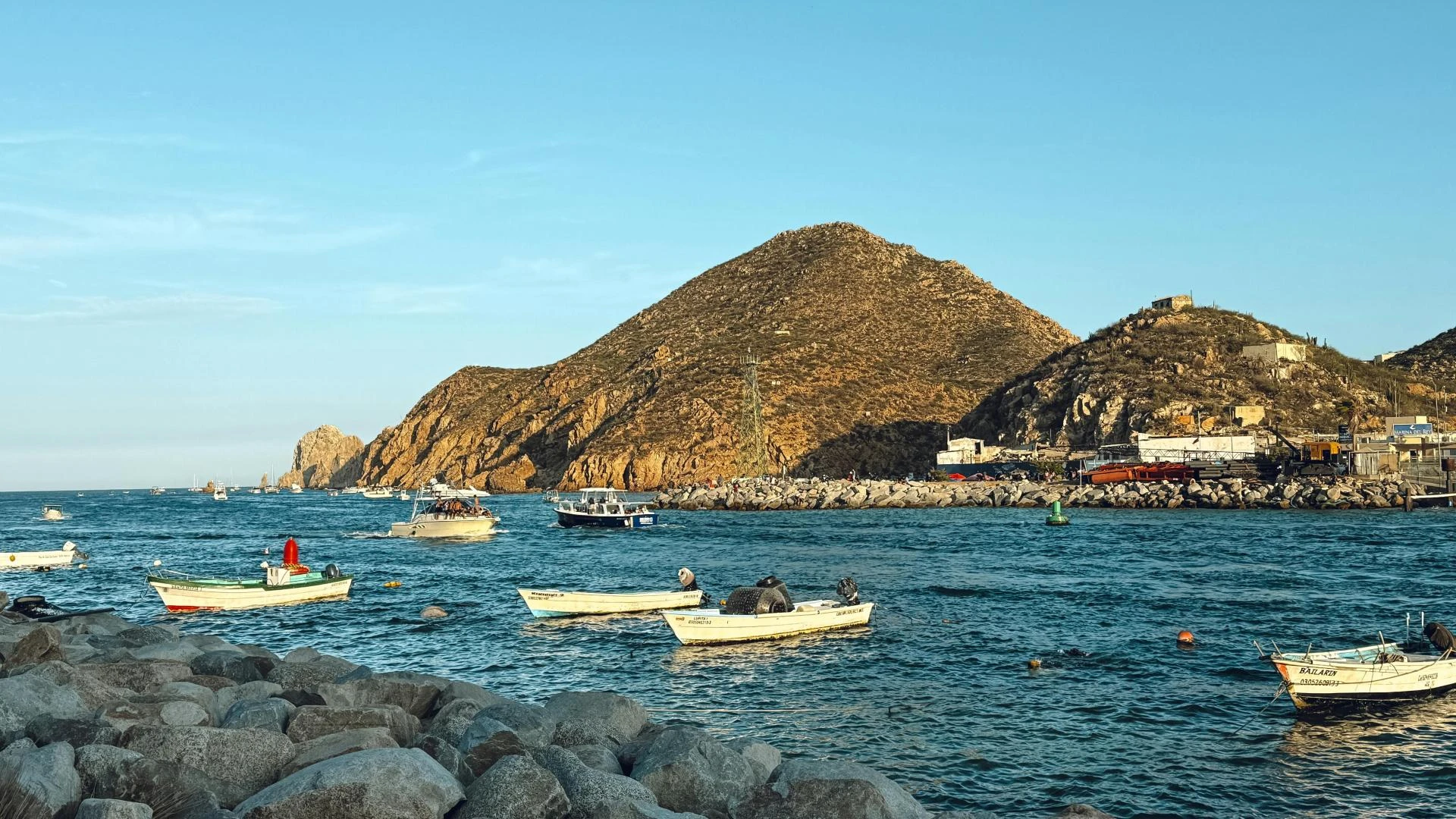
Cabo San Lucas When Americans start researching a Cabo trip, cartel violence in Cabo San Lucas Mexico is almost always somewhere in their search history. It is a completely reasonable thing to look into, and the fact that you are digging into it before you go puts you ahead of a lot of travelers who either ignore the topic entirely or let it scare them off a trip that would likely have been totally fine. The goal here is to give you an honest, grounded picture of what cartel violence in the region actually looks like, how it compares to other parts of Mexico, and what it realistically means for someone spending a week on the beach. No sugarcoating, but no unnecessary alarm either.
How Cartel Violence in Cabo Compares to Mainland Mexico
To understand cartel violence in Cabo San Lucas Mexico accurately, you have to place it within the broader context of Mexico as a whole. Mexico is an enormous country with enormous variation in safety conditions across its regions. The states that generate the most alarming cartel-related headlines, places like Guerrero, Colima, Tamaulipas, and parts of Michoacan, operate in a fundamentally different security environment than the southern tip of Baja California Sur.
Those high-risk states have seen sustained and severe conflict between rival cartels over drug trafficking routes, territory, and local markets. The violence in those areas is frequent, visible, and has at times spilled into public spaces in ways that affect ordinary residents and, occasionally, visitors. Comparing those areas directly to Cabo is like comparing a city with a serious gang problem to a resort town in a coastal state. They are both in the same country, but the conditions are genuinely different.
Baja California Sur has historically been under the influence of the Sinaloa Cartel, which has used the peninsula primarily as a transit corridor rather than a major conflict zone. The territorial disputes that drove homicide rates up in Los Cabos during the late 2010s were serious, but even at their peak, the numbers were far below what the most dangerous Mexican states were experiencing. And by most measures, the situation in the Los Cabos region has improved from that peak, even if it has not returned to the historically quiet levels of earlier years.
Documented Incidents of Cartel Violence Near Tourist Areas
Being honest about cartel violence in Cabo San Lucas Mexico means acknowledging that incidents have occurred in areas that are not entirely isolated from tourist zones. There have been documented shootings in commercial areas of the city, including some that were close enough to tourist-frequented streets to generate significant media coverage and concern.
In several documented cases over the past decade, violent confrontations between rival criminal groups occurred in or near areas like commercial shopping districts, roadways connecting tourist zones, and port-adjacent areas. These incidents generated real alarm and, in some cases, produced temporary disruptions to normal tourist activity in those zones.
What the documentation of these incidents also consistently shows is that tourists were not the intended targets and direct tourist casualties from cartel-related violence have been extremely rare. In the cases that did generate coverage involving visitors being harmed or frightened, the situations typically involved people being in close proximity to a conflict they had no involvement in, or in a small number of cases, individuals who had put themselves in contact with criminal networks through drug purchasing or other risky behavior.
Why Most Cartel Violence in Cabo Is Not Targeted at Tourists
Understanding the internal logic of cartel operations helps explain why cartel violence in Cabo San Lucas Mexico, while real, is almost never directed at tourists. Cartels are criminal organizations with specific economic and territorial goals. Their violence is a tool for achieving those goals, not a random expression of hostility toward outsiders.
The people who are targeted in cartel violence are almost always other people with some connection to criminal activity, whether that is rival cartel members, individuals who have defaulted on drug debts, corrupt officials, or informants. Targeting a random American tourist would accomplish nothing strategically and would bring immediate, intense federal and international attention that disrupts operations. From a purely operational standpoint, harming tourists is bad for business.
This is a cold-blooded calculation rather than goodwill, but it produces a practical outcome that matters for travelers. The vast majority of cartel violence in Cabo is directed inward, at specific targets within criminal networks, not outward at the general public or at visitors.
Why Is Cabo San Lucas, So Dangerous?
The reputation gap between how dangerous Cabo seems from the outside and what most tourists actually experience there is significant, and it has a lot to do with how information travels. American media covers Mexico extensively, and cartel-related stories generate high engagement. When violence occurs anywhere in Mexico, coverage tends to aggregate it under a single Mexico narrative that does not distinguish between a resort corridor in Baja and a conflict zone in Guerrero.
The result is that American travelers often arrive with a mental picture of Cabo that is shaped more by the most alarming stories from across Mexico than by what is specifically happening in the tourist zones of Los Cabos. That disconnect is not because journalists are being dishonest. It is because context gets compressed in coverage, and distinguishing between regions of Mexico requires more detail than a headline allows. Going in with that understanding helps you read the news more accurately and make better decisions.
How Local and Federal Authorities Respond to Cartel Incidents
The government response to cartel violence in Cabo San Lucas Mexico has been sustained and substantial, driven largely by the economic stakes involved in protecting the tourism industry. Los Cabos is one of Mexico's top revenue-generating tourist destinations, and both state and federal authorities treat its security as a priority.
Following the spike in violence in Los Cabos that drew international attention around 2017 and 2018, the Mexican federal government deployed additional military and federal police forces to the region specifically. These deployments included both visible patrol presence in tourist and commercial areas and intelligence-driven operations targeting cartel leadership and operations in the region.
The state government of Baja California Sur has maintained dedicated tourist police units in the main visitor zones. These officers are trained specifically for tourist interaction and security, providing a layer of response capacity separate from the broader law enforcement dealing with organized crime at a structural level.
The coordination between federal military forces, federal police, state police, and municipal authorities in Los Cabos is more developed than in many other parts of Mexico, in large part because the economic consequences of security failure in Cabo are so significant and so visible on a national level.
The Economic Incentive Cartels Have to Leave Tourists Unharmed
This point deserves its own focused discussion because it is one of the most practically useful things to understand about cartel violence in Cabo San Lucas Mexico. Criminal organizations operating in any location develop a relationship with the local economy, and in Cabo, that economy is built almost entirely on tourism.
Organized crime benefits from a functioning local economy in multiple ways. Money laundering through local businesses, extortion of commercial operations, and the general stability that allows criminal logistics to operate quietly all depend on Cabo continuing to function as a viable destination. If cartel violence in Cabo San Lucas Mexico were to directly and repeatedly harm tourists, the resulting collapse in tourism revenue would devastate the local economy that criminal organizations also depend on and benefit from.
This creates a practical, if uncomfortable, alignment of interests. The cartel presence in the region has a financial stake in tourists continuing to arrive, spend money, and leave without incident. That is not a guarantee of safety and it is not something to rely on as your primary safety strategy. But it is a real structural factor that helps explain why tourist-directed violence is rare even in a region where organized crime is present.
How to Stay Informed and React If Violence Occurs Nearby
Knowing how to respond if something happens near you is just as important as knowing the background risk level. If you witness or are near a violent incident while in Cabo, the immediate priority is to remove yourself from the area calmly and quickly. Do not stop to film, do not try to intervene, and do not approach law enforcement officers who are actively responding to an incident unless you need direct assistance.
Get to your hotel, resort, or another indoor, secure location as quickly as possible using the most direct and populated route available. Contact your resort's security desk and let them know what you witnessed and where you are. They are often the fastest source of local situational information and can advise you on whether to stay inside or whether it is safe to move around.
The U.S. Embassy emergency line for Americans in Mexico is available 24 hours a day. Having that number saved in your phone before you leave is a basic preparedness step that costs you nothing. Your travel insurance provider's emergency assistance line is also worth having saved, particularly if your policy includes emergency evacuation or medical coverage.
Enrolling in the State Department's STEP program before your trip means you will receive real-time alerts if cartel violence in Cabo San Lucas Mexico produces a situation that warrants official notification to American travelers. It is free, takes minutes to set up, and keeps you connected to official information throughout your trip.
Stay aware of your surroundings, trust your instincts, and keep a low profile in unfamiliar areas. The travelers who handle difficult situations best are the ones who prepared before they needed to. https://www.travelosei.com/hello-india/is-cabo-san-lucas-safe-so-dangerous
FAQs
Is cartel violence in Cabo San Lucas Mexico a direct threat to tourists?
Direct targeting of tourists by cartel groups is extremely rare. The vast majority of cartel-related violence is directed at individuals within criminal networks, not at visitors.
Has cartel violence in Cabo ever killed an American tourist?
Direct tourist fatalities from cartel violence are extremely uncommon in Cabo's documented history. Cases that have involved tourists tend to involve individuals who made contact with criminal networks through drug purchasing or other risky activities.
Which parts of Cabo San Lucas are most affected by cartel activity?
Cartel-related activity is most concentrated in areas away from the main tourist corridor, including residential and industrial zones. The resort strip and tourist zones have a much heavier law enforcement presence.
What should I do if I witness violence while in Cabo?
Move away from the situation calmly, get to a secure indoor location, contact your resort security, and reach out to the U.S. Embassy emergency line if needed. Do not film or approach active law enforcement situations.
Does the Mexican government take cartel violence in Cabo seriously?
Yes. Los Cabos has seen sustained federal military and police deployments specifically aimed at managing organized crime, driven by the need to protect one of Mexico's most economically significant tourist destinations.