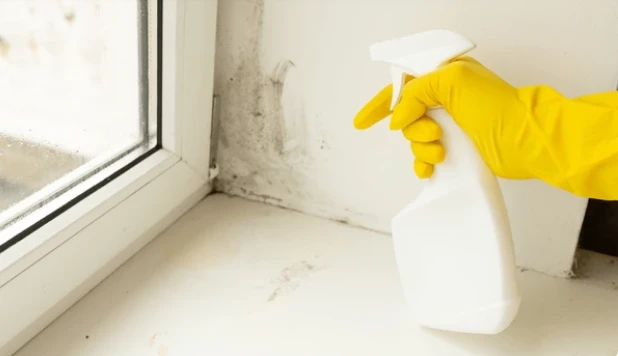
Mold is an insidious intruder that thrives in damp, dark, and neglected spaces, often spreading rapidly when left unchecked. Among the most vulnerable household items to mold growth is carpeting, which provides the perfect environment for spores to multiply undetected. For homeowners, mold in carpets is not simply a cosmetic issue—it is a serious hazard that endangers health, compromises indoor air quality, and damages property value. This is why mold remediation in Winter Park, FL, is a vital service for those who seek both safety and peace of mind. Companies such as Voda Cleaning & Restoration of North Orlando specialize in addressing these challenges with advanced, methodical, and science-driven approaches that deliver results.
This article explores the intricate process of carpet mold remediation, breaking down the steps that professionals follow and offering insights into why engaging expert services is critical to successful outcomes.
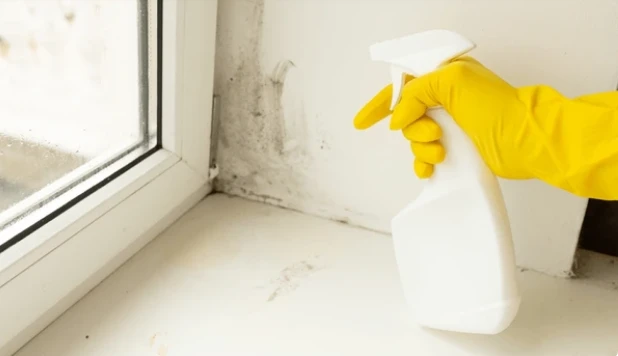
Understanding Carpet Mold and Its Dangers
Carpet mold often develops in response to water intrusion—whether from floods, plumbing leaks, or excessive humidity. Once moisture permeates the carpet fibers and padding, spores can colonize within 24 to 48 hours. The consequences extend far beyond unsightly stains or foul odors.
Mold spores are known allergens that can trigger respiratory issues, exacerbate asthma, and lead to other health complications, especially among children and the elderly. Furthermore, untreated mold compromises the structural integrity of flooring and subflooring, potentially necessitating costly repairs. For this reason, homeowners in Winter Park turn to mold remediation in Winter Park, FL, to safeguard their living spaces with precision and urgency.
The Essential Steps of Carpet Mold Remediation
Professional mold remediation is a systematic process, ensuring that both visible and hidden mold colonies are eradicated, and future outbreaks are prevented. The following steps outline the standard procedures that companies like Voda Cleaning & Restoration of North Orlando employ in their remediation efforts.
1. Initial Inspection and Assessment
The first step in any effective remediation plan is a comprehensive inspection. Certified technicians assess the extent of mold growth, identify the source of moisture, and evaluate whether the carpet is salvageable. In many cases, specialized equipment such as moisture meters and infrared cameras are used to detect hidden dampness beneath the surface. This meticulous evaluation determines the remediation strategy and whether carpet removal is necessary.
2. Containment of Affected Areas
Mold spores can travel easily through the air, contaminating other areas of the home if not properly contained. Professionals establish containment zones using plastic sheeting and negative air pressure systems. This ensures that the remediation process does not exacerbate the problem by spreading spores to unaffected rooms.
3. Removal of Unsalvageable Materials
In situations where carpets are extensively contaminated, removal becomes inevitable. The carpet and padding are carefully detached and sealed in protective bags to prevent cross-contamination during disposal. In addition, baseboards or drywall affected by mold are also removed when necessary to eliminate hidden sources of contamination.
4. Deep Cleaning and Disinfection
If the carpet can be salvaged, it undergoes a rigorous cleaning process. Industrial-grade vacuums with HEPA filters are employed to extract mold spores and debris. Following this, specialized antimicrobial and antifungal solutions are applied to neutralize mold colonies and prevent regrowth. This step is critical to restoring the carpet to a safe and usable condition.
5. Drying and Dehumidification
Moisture control is the cornerstone of mold remediation. High-powered air movers and commercial-grade dehumidifiers are strategically placed to remove excess moisture from carpets, padding, and subflooring. Continuous monitoring ensures that the environment reaches an optimal dryness level, preventing mold from returning.
6. Air Filtration and Purification
HEPA air scrubbers are deployed to capture airborne spores released during the cleaning process. By purifying indoor air, this step reduces health risks and ensures a safer living environment for the household.
7. Restoration and Preventive Measures
Finally, once remediation is complete, restoration begins. Salvageable carpets are reinstalled, or new carpeting is placed after confirming that the underlying structure is mold-free. Preventive recommendations, such as installing vapor barriers, improving ventilation, or using dehumidifiers in high-humidity areas, are provided to homeowners to reduce future risks.
Why Professional Remediation Outshines DIY Efforts
It may be tempting for homeowners to attempt mold cleanup themselves, particularly with the abundance of over-the-counter cleaning products. However, mold remediation requires more than surface-level cleaning. Without specialized equipment, spores often remain embedded deep within carpet fibers, padding, or subflooring. These residual colonies can rebound aggressively, leading to recurring infestations.
By choosing professional mold remediation in Winter Park, FL, residents gain access to industry-grade solutions, certified expertise, and the peace of mind that comes from knowing the job has been executed comprehensively. Companies like Voda Cleaning & Restoration of North Orlando bring years of experience and advanced technology to bear on every case, ensuring that homes are not only cleaned but truly remediated.
The Role of Voda Cleaning & Restoration of North Orlando
Among the trusted names in the field, Voda Cleaning & Restoration of North Orlando has earned a reputation for excellence in mold remediation. Their team combines scientific precision with customer-focused service, making them a go-to provider for homeowners in Winter Park.
Their approach emphasizes not just removal but long-term protection. By addressing root causes of moisture, offering restoration solutions, and implementing preventive strategies, they provide a comprehensive service that extends well beyond surface-level treatment. This commitment ensures that homeowners enjoy healthier indoor environments and greater property resilience against mold threats.
Preventive Practices for Homeowners
While professional remediation is essential when mold is already present, proactive measures can significantly reduce the likelihood of carpet mold growth. Homeowners are advised to:
- Address water leaks immediately to prevent lingering moisture.
- Maintain indoor humidity levels below 60% with the help of dehumidifiers.
- Vacuum regularly with HEPA-filter vacuums to minimize spores.
- Ensure proper ventilation in bathrooms, kitchens, and laundry rooms.
- Avoid installing carpets in high-moisture areas such as basements.
By integrating these practices into daily household management, residents can create an environment less conducive to mold growth.
Conclusion
Carpet mold is more than an inconvenience; it is a hidden menace that endangers both health and home integrity. Addressing it requires a strategic, science-backed process carried out by experienced professionals. Mold remediation in Winter Park, FL, is best entrusted to experts who understand the complexities of mold behavior and employ proven methods to combat it.
Voda Cleaning & Restoration of North Orlando exemplifies this expertise, delivering thorough, effective, and lasting solutions. Their commitment to excellence ensures that every step—from inspection to restoration—is executed with precision and care. For homeowners, this means more than just a clean carpet; it means reclaiming a healthier, safer, and more comfortable home.