

Caring for a loved one with dementia can be challenging, especially when hallucinations enter the picture. Hallucinations—seeing, hearing, or sensing things that aren’t real—are common in certain types of dementia, including Lewy body dementia and Alzheimer’s disease. While these experiences can be distressing for patients and caregivers alike, understanding their causes and learning practical strategies can significantly improve safety, comfort, and quality of life. This guide offers insights and actionable advice for families, professional caregivers, and anyone supporting dementia patients through these difficult moments.
Understanding Hallucinations in Dementia

Hallucinations are different from delusions. They involve perceiving things that do not exist, rather than holding false beliefs. Dementia-related hallucinations can be visual, auditory, or tactile. For example, a patient may see people in the room who aren’t there, hear voices, or feel bugs crawling on their skin. Hallucinations often stem from changes in the brain caused by dementia, medication side effects, or underlying medical conditions like infections or sensory impairments. Stress, fatigue, and environmental confusion can also increase the likelihood of hallucinations. Understanding these triggers is the first step toward compassionate care.
Creating a Safe Environment
Safety is the top priority when hallucinations occur. Here are key steps caregivers can take:
Remove hazards: Ensure walkways are clear, sharp objects are out of reach, and furniture is arranged to prevent falls.
Use soft lighting: Shadows and dim lighting can worsen hallucinations. Gentle, consistent lighting reduces confusion.
Simplify surroundings: Avoid clutter and overstimulation, which can exacerbate hallucinations.
Monitor medication: Certain medications can trigger or worsen hallucinations in the elderly. Consult a healthcare professional if new symptoms appear.
Effective Communication Strategies
Responding calmly and empathetically is essential. Consider these approaches:
Validate, don’t argue: Instead of insisting the hallucination isn’t real, acknowledge the patient’s feelings. For example: “I understand that you see someone in the room. Let’s make sure you feel safe.”
Redirect attention: Engage the patient in a simple activity, like listening to music, walking, or folding laundry, to shift focus.
Maintain routines: Consistency reduces anxiety and confusion, which can help minimize hallucinations.
Professional Support and Interventions
Some hallucinations may require medical evaluation, especially if they are frequent, distressing, or involve aggressive behavior. Healthcare professionals may:
Adjust medications that might trigger hallucinations.
Recommend therapy or counseling for patients and caregivers.
Introduce non-pharmacological interventions such as sensory stimulation, music therapy, or cognitive exercises.
Support groups and caregiver training programs are also valuable, providing guidance, emotional support, and practical tips.
Self-Care for Caregivers
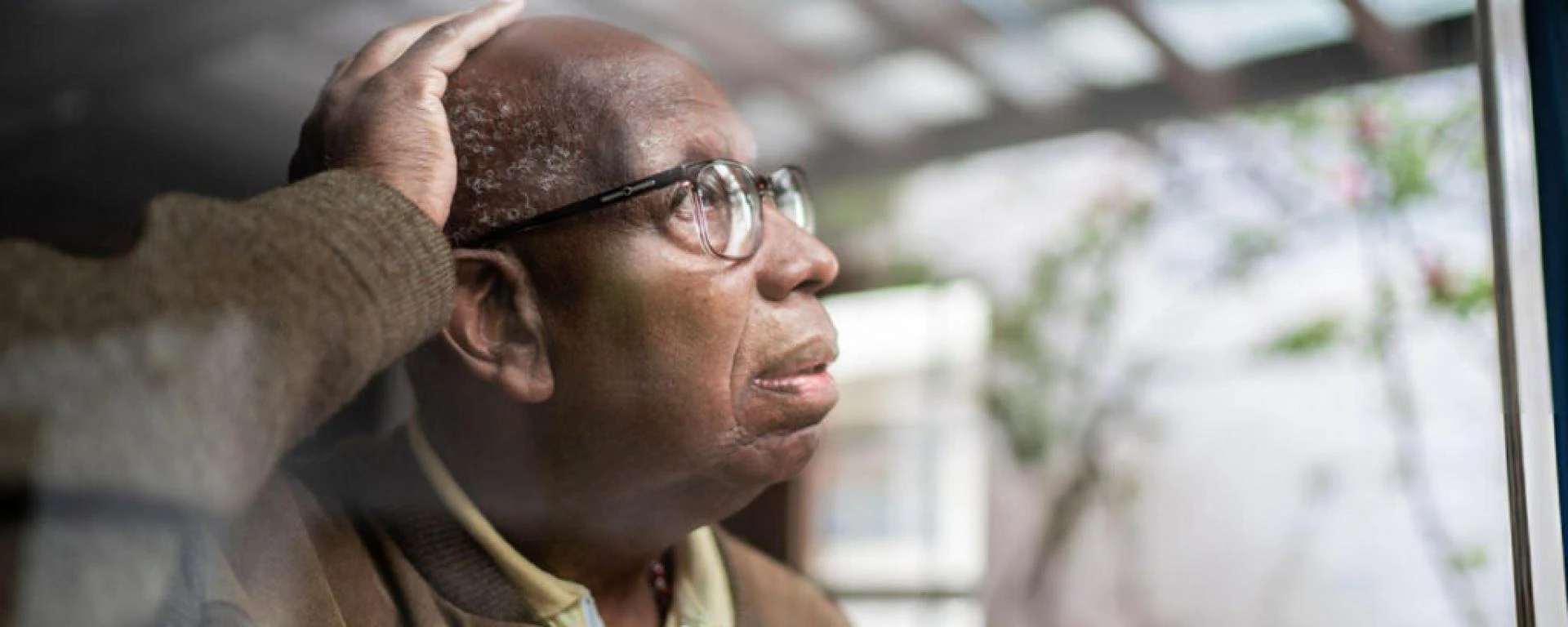
Caring for seniors with dementia can be emotionally taxing. Caregivers should prioritize self-care to maintain patience and resilience:
Take regular breaks or respite care.
Seek counseling or join support groups.
Practice stress-relief techniques like mindfulness, deep breathing, or light exercise.
A well-supported caregiver can provide more compassionate, effective care, which in turn helps reduce patient distress.
Conclusion
Managing dementia-related hallucinations requires patience, understanding, and practical strategies. By creating a safe environment, communicating effectively, seeking professional guidance, and maintaining caregiver well-being, families can significantly improve the quality of life for their loved ones. Compassion, consistency, and education are the keys to navigating these challenges successfully. Star Capital provides resources and personalized care programs for dementia patients, helping families manage symptoms like hallucinations with dignity and support.
For more information, visit us: https://www.starcapitalsc.com/hallucinations-in-dementia-patients/