Skin dullness, acne breakouts, enlarged pores and uneven skin tone or texture can affect the overall appearance of your skin. Modern dermatology offers several treatment options to address these concerns, depending on their underlying causes and severity.

If you are considering a non-surgical treatment to improve skin appearance, carbon peel treatment may be an option worth exploring. Also known as the Hollywood Peel or Carbon Laser Peel, this procedure combines a topical carbon preparation with laser energy to help improve skin texture, reduce excess oiliness and address certain superficial skin concerns.
If you are exploring carbon peel treatment in Delhi, understanding how the procedure works, its potential benefits and its limitations can help you make an informed decision.
What Is Carbon Peel Treatment?
Carbon peel treatment is a non-invasive cosmetic procedure that combines a topical carbon lotion with a Q-switched Nd:YAG laser, commonly operating at a wavelength of 1064 nm.
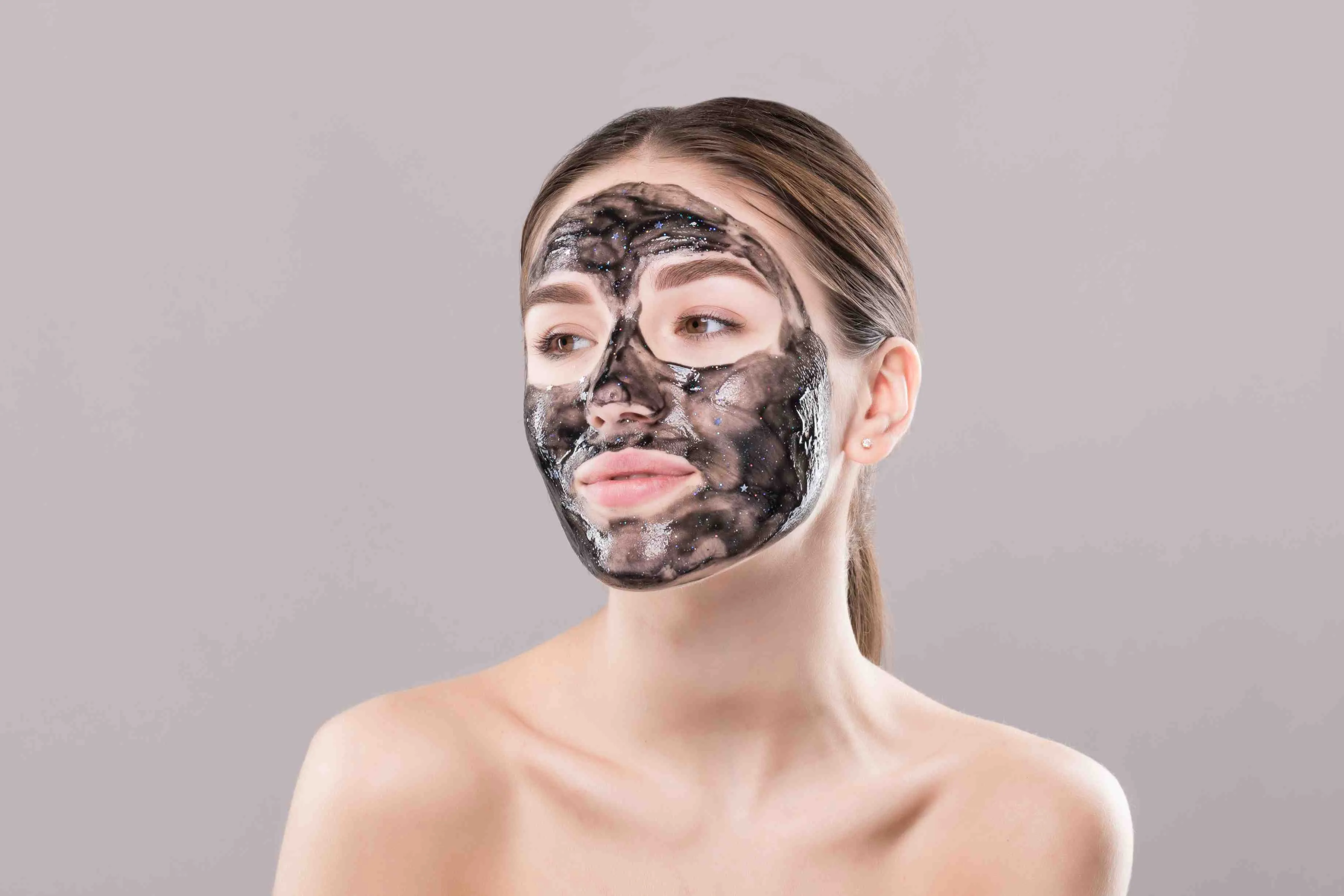
During the procedure, a thin layer of carbon lotion is applied to the skin and allowed to settle. The carbon particles interact with oil, dead skin cells and debris around the skin surface and hair follicles.
The dermatologist then uses laser energy to target the carbon particles. The laser helps remove carbon along with attached surface debris and produces controlled thermal effects in the treated area.
This process may help improve skin texture, reduce excess oiliness and make enlarged pores less noticeable. The exact technique and laser settings depend on the equipment used and the individual's skin characteristics.
Why Is Carbon Peel Treatment Considered for Skin Glow and Rejuvenation?
Carbon peel treatment may help address several superficial skin concerns. Its potential benefits include:
- Improving dull-looking skin: May help remove surface debris and improve the overall appearance of the skin.
- Reducing excess oil: Laser treatment may help reduce sebum production in some individuals.
- Improving the appearance of enlarged pores: May make visible pores appear less prominent.
- Managing acne-prone skin: May help reduce certain inflammatory and non-inflammatory acne lesions.
- Improving skin texture: May help make the skin feel smoother.
- Addressing mild superficial pigmentation: May improve some uneven skin tone concerns, depending on their cause.
- Supporting skin rejuvenation: May help improve the overall appearance of the skin.
Results vary depending on skin condition, treatment settings and individual response. Carbon peel is not a substitute for medical treatment of deeper pigmentation, severe acne or established acne scars.
Who May Be Suitable for Carbon Peel Treatment?
Carbon peel treatment may be considered for individuals who:
- Have dull or tired-looking skin.
- Experience excess oiliness.
- Have visible or enlarged pores.
- Have mild acne or acne-prone skin.
- improve uneven skin texture.
- Are looking for a non-surgical cosmetic skin treatment.
However, it may not be suitable for everyone. A dermatologist should assess your skin type, current skin condition, medical history and treatment expectations before recommending the procedure.
Step-by-Step Carbon Peel Treatment Procedure
The procedure generally involves the following steps:
- Skin cleansing: The treatment area is thoroughly cleansed to remove makeup, oil and surface impurities.
- Carbon application: A thin layer of topical carbon lotion is applied evenly to the selected area and allowed to settle.
- Laser application: The dermatologist uses a suitable Q-switched Nd:YAG laser, commonly at 1064 nm, to target the carbon particles.
- Post-treatment care: The treated area is assessed, and appropriate skincare and sun-protection instructions are provided.
The exact procedure may vary depending on the laser device, treatment protocol and individual skin requirements.
What to Expect During and After Carbon Peel Treatment?
Carbon peel is generally a short outpatient procedure. Here are some common expectations:
- Treatment duration: A session may take approximately 20–30 minutes, depending on the area treated and the clinic's protocol.
- Comfort: The procedure is generally well tolerated, although some people may experience warmth, mild stinging or discomfort.
- Anesthesia: Local anesthesia is usually not required.
- Recovery: Most people can return to routine activities shortly after treatment.
- Temporary redness: Mild redness or sensitivity may occur and generally settles within a short period.
- Initial improvement: Some individuals may notice a fresher-looking appearance after a session.
- Multiple sessions: A series of treatments may be recommended depending on the skin concern and desired improvement.
- Skincare: Following the dermatologist's aftercare instructions and using appropriate sun protection can help maintain skin health.
The degree of improvement and the number of sessions required vary from person to person. Carbon peel treatment can also have side effects, including irritation, burns or pigmentation changes, particularly if unsuitable laser settings are used.
Conclusion
Carbon peel treatment is a non-surgical cosmetic procedure that combines topical carbon lotion with laser energy to address selected skin concerns, including excess oiliness, enlarged pores, mild acne and uneven skin texture.

While some people may notice an improvement in skin appearance after one session, multiple treatments may be recommended for further improvement. Results are not the same for everyone, and appropriate skincare and sun protection remain important.
If you are considering carbon peel treatment, consult a qualified dermatologist in Delhi at Delhi Wellness Clinics. A personalized skin assessment can help determine whether this treatment is suitable for your concerns and what results you can realistically expect.
Book a consultation at Delhi Wellness Clinics to discuss your skin concerns and explore suitable treatment options.