Two key components that play an essential role in these processes are capacitor parts and doubler parts. To optimize the performance of circuits involving these components, engineers and designers often rely on a distribution matrix. This article explores the concept of a distribution matrix and its importance in managing capacitor and doubler components.
What is a Distribution Matrix?
A distribution matrix is essentially a structured framework or table used to allocate, organize, and manage electrical components within a circuit. In electronics, it is particularly helpful for arranging capacitor parts and doubler parts to ensure optimal energy distribution and voltage regulation. By providing a clear mapping of where and how components are connected, a distribution matrix reduces errors and improves system efficiency.
Importance of a Distribution Matrix in Capacitor Parts
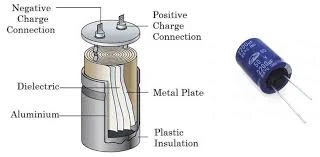
Capacitor parts are essential for storing and releasing electrical energy in circuits. They help in filtering, smoothing voltage fluctuations, and maintaining a stable power supply. When multiple capacitors are involved, a distribution matrix helps designers:
Identify Placement: Determine the best location for each capacitor to ensure maximum efficiency.
Manage Capacitance Levels: Ensure that the combined capacitance meets the required electrical specifications.
Prevent Overloading: Avoid overloading any particular section of the circuit by evenly distributing capacitors.
By using a distribution matrix, engineers can design circuits that make optimal use of capacitor parts, improving both reliability and performance.
Role of Doubler Parts in a Distribution Matrix
Doubler parts are components used in circuits to double the voltage output without increasing the input current. They are often integrated with capacitors to create efficient voltage-boosting systems. In a distribution matrix, doubler parts help in:
Voltage Regulation: Ensuring the circuit receives a consistent voltage even when demand fluctuates.
Optimized Layout: Placing doubler parts strategically to maximize voltage output without compromising stability.
Synergy with Capacitor Parts: Working in tandem with capacitors to store and release energy efficiently.
The combination of capacitor parts and doubler parts within a distribution matrix allows electronic designers to achieve superior circuit performance, reduce energy loss, and prevent voltage drops.
How to Create a Distribution Matrix
Creating a distribution matrix involves a few systematic steps:
Identify Components: List all capacitor parts and doubler parts needed for your circuit.
Map Connections: Create a diagram showing how each component connects to others.
Assign Values: Include capacitance ratings, voltage ratings, and other key parameters for each component.
Optimize Placement: Use the matrix to balance load distribution and minimize energy loss.
Test and Adjust: Simulate the circuit to verify performance, making adjustments as necessary.
By following these steps, designers can ensure that their circuits are both efficient and reliable.
Conclusion
A well-structured distribution matrix is invaluable for anyone working with capacitor parts and doubler parts. It helps in organizing components, managing energy flow, and enhancing overall circuit performance. Whether you are designing power supplies, voltage regulators, or other electronic systems, understanding how to use a distribution matrix effectively can make a significant difference in the efficiency and reliability of your projects.
Optimizing your design with a proper distribution matrix ensures that both capacitor and doubler components work harmoniously, delivering stable voltage and energy distribution across the circuit.