Choosing the right artwork can change the way a room feels, especially when the subject carries emotion, culture and visual balance. Canvas Wall Art Ideas for Elegant Indian Home Interiors is not only about selecting a beautiful piece; it is about understanding where it will sit and whether it supports the mood of your home. If you are planning to buy a canvas wall art, start by looking at the wall size, natural light and the colours already present in the room. For homes that need a meaningful decor element, pichwai art can bring depth without making the space look overdone.
The best part about traditional Nathdwara-inspired art is that it works as both decor and expression. It adds a elegant, devotional and heritage-rich feel while still being practical for everyday interiors. When selected carefully, the artwork does not look like a random wall filler; it becomes a point of pause in the room. You can begin with Artociti canvas wall décor if you want pieces that feel finished, easy to place and suitable for Indian homes. Instead of choosing only by colour, look at the subject, detailing, spacing and the overall emotion the artwork creates.
Placement matters as much as the painting itself. This type of artwork is best suited for the dining area, living room, hallway, pooja room or a classic Indian feature wall. A large wall is ideal because pichwai detailing becomes more beautiful when the viewer has space to notice it. Before fixing the artwork, stand back and check the viewing distance. A large painting needs breathing space, while a smaller one may look better above a console table or compact seating area. If the wall already has shelves or photographs, keep the artwork separate so it does not compete for attention.
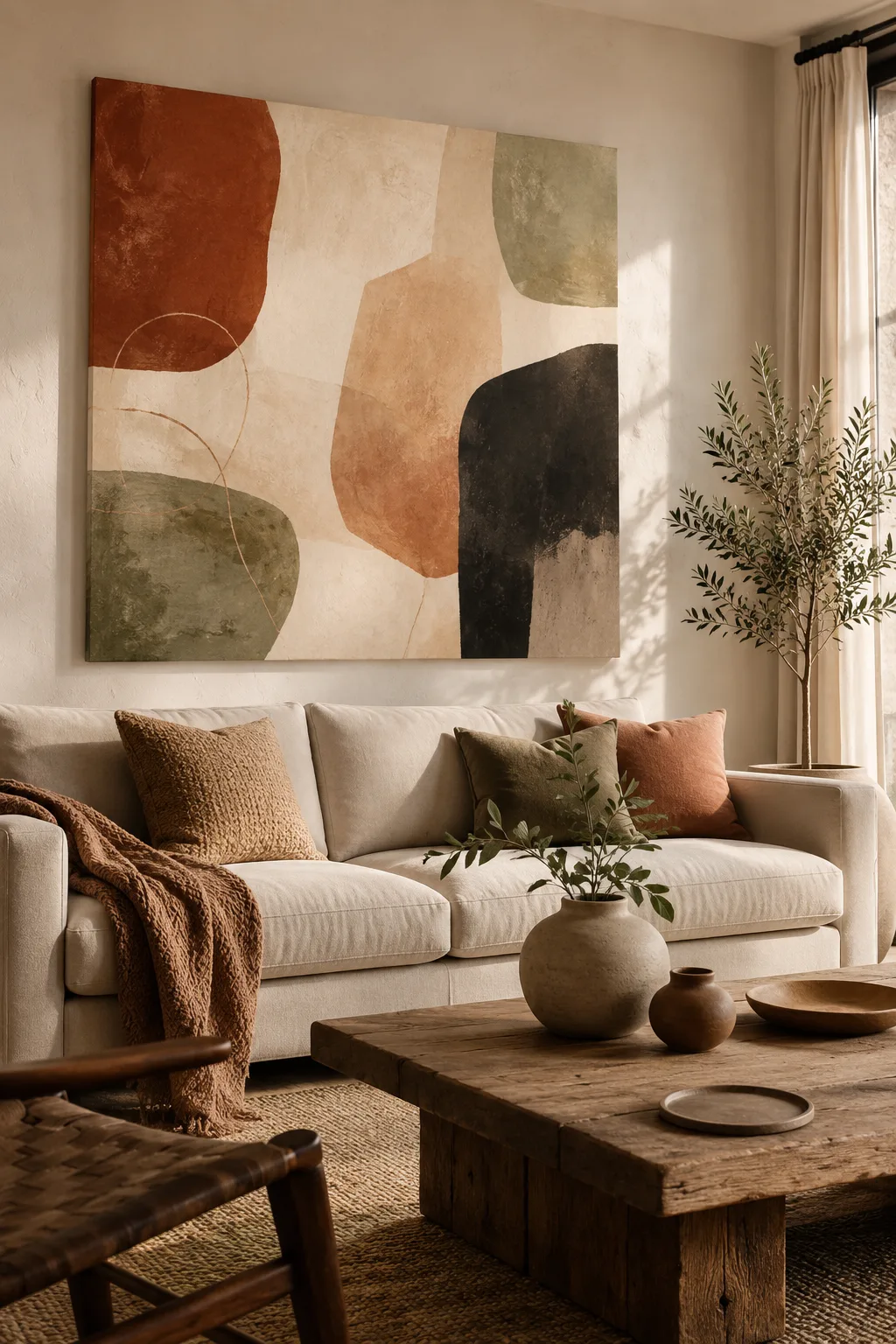
Colour and size should be decided with the room in mind. Lotus ponds, cows, peacocks, shrinathji-inspired themes, ornate borders and deep festive colours usually define this style, but the final choice should suit your furniture, flooring and lighting. For neutral rooms, a richer artwork can become the focal point. For colourful rooms, a balanced piece may look better. As a simple rule, the artwork should cover about two-thirds of the furniture width when placed above a sofa, bed or console. For theme-specific choices, shop the collection can help you compare options that match both spiritual and decorative needs.
Styling the surrounding area is where the wall starts looking complete. Style it with brassware, carved wood, block-printed cushions and warm lighting for a complete Indian decor story. Avoid placing too many small accessories around the artwork, because that can make the wall feel cluttered. Warm white light generally makes Indian art look softer and more inviting than harsh white light. For rented homes, a removable hook or a lean-against-wall setup can keep the arrangement flexible.
Also think about long-term maintenance. Keep the artwork away from direct moisture, heavy sunlight and areas where it may collect dust quickly. Wipe the frame gently with a dry cloth and avoid chemical cleaners unless the seller recommends them. Most importantly, choose a design that you will still enjoy after festivals, seasonal decor changes or furniture upgrades. A good artwork should continue to feel personal, balanced and relevant to your home.
In the end, the right painting is the one that fits your wall, reflects your taste and makes the room feel complete. Use the topic as a guide, but trust the mood of your space before making the final decision. When the subject, size, colour and placement come together, even a simple wall can become one of the most memorable corners of your home.