Unfolding a New Chapter: Canva’s Bold Move into AI and Marketing Automation
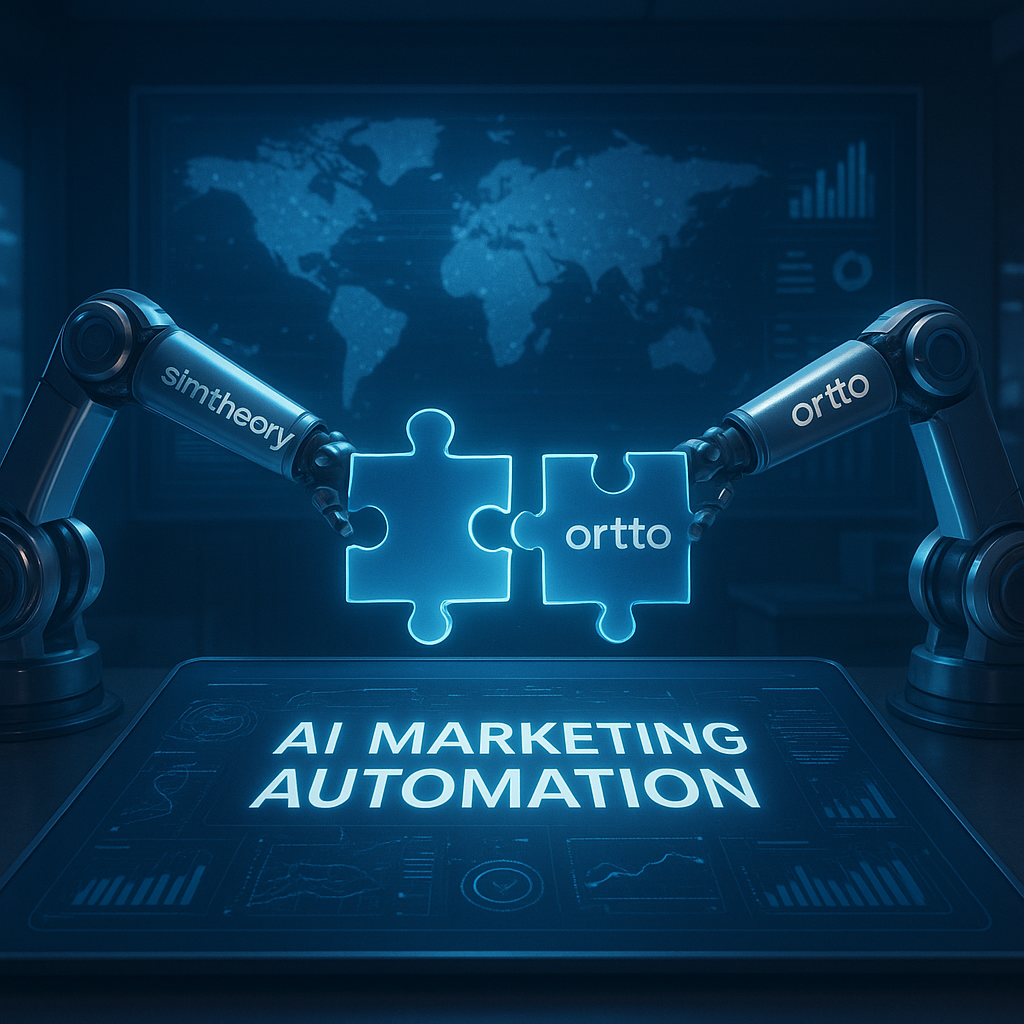
In early 2026, Canva, the ubiquitous design platform, surprised the digital marketing landscape by acquiring two innovative startups: Simtheory and Ortto. This strategic acquisition spree signals more than just growth; it marks Canva's intent to deepen its foothold in AI-driven marketing automation. The deal, finalized in February 2026, integrates Simtheory's advanced AI content generation with Ortto’s pioneering customer journey orchestration tools, promising a seamless blend of creativity and automation for marketers worldwide.
At a time when marketers face increasing pressure to deliver personalized content at scale, Canva’s dual acquisitions arrive as a critical inflection point. According to industry reports, the global marketing automation market is projected to exceed $12 billion by 2028, driven largely by AI advancements. Canva’s move positions it to compete with established players like HubSpot and Salesforce, while leveraging its massive user base and design expertise.
“Our vision is to empower marketers with tools that not only simplify content creation but also intelligently automate customer engagement,” said Canva’s CEO in a recent press briefing.
To fully grasp the impact of these acquisitions, it’s essential to explore the background of all three companies, understand the technologies involved, and analyze the strategic motives behind Canva’s expansion. This article offers a comprehensive guide to what this means for digital marketing now and into the future.
From Design to Automation: The Evolution Leading to Canva’s Strategic Acquisitions
Founded in 2012, Canva revolutionized graphic design by making it accessible to non-designers through a drag-and-drop interface and a vast library of templates. Over the years, Canva has expanded its offerings from static images to video, presentations, and even websites, amassing over 100 million monthly active users by late 2025.
However, the company’s ambitions extended beyond design. Recognizing the convergence of content creation and customer engagement, Canva began investing heavily in AI-powered tools, including automated design suggestions and smart resizing features. The acquisition of Simtheory and Ortto represents the next logical step in this trajectory.
Simtheory, founded in 2021 by AI researchers from Stanford, developed one of the most sophisticated AI engines for natural language generation and adaptive content creation. Their proprietary AI model, dubbed "Aurora," can generate marketing copy tailored to specific audience segments and dynamically adapt messaging in real-time based on user interaction data.
Ortto, meanwhile, emerged in 2020 as a leader in customer data platforms (CDP) and journey orchestration. Their platform enables marketers to unify data from multiple touchpoints and automate personalized customer journeys across channels such as email, SMS, and social media.
“Bringing together Simtheory’s dynamic content AI with Ortto’s journey orchestration creates a marketing automation powerhouse,” remarked a senior industry analyst.
By acquiring both, Canva gains a unique advantage: the capability to offer end-to-end AI-powered marketing solutions, from content generation to multi-channel automation, all within a single ecosystem.
Dissecting the Technology: What Simtheory and Ortto Bring to Canva’s Platform
The core of Simtheory’s value lies in its Aurora AI, which uses a combination of deep learning neural networks and reinforcement learning to create persuasive, context-aware marketing content. Unlike traditional content generators, Aurora can analyze historical campaign data, competitor messaging, and real-time customer behavior to iteratively improve copy performance.
Key features of Simtheory’s technology include:
- Adaptive Messaging: Content that morphs based on recipient behavior and preferences.
- Multi-format Generation: From social posts to email headlines and video scripts.
- Data-Driven Creativity: AI models fine-tuned with extensive marketing datasets for relevance and engagement.
Ortto complements this by providing the infrastructure to deliver these messages effectively. Its customer data platform aggregates and analyzes data from CRM, website, app, and offline sources, creating unified customer profiles. The journey orchestration engine then designs automated workflows that trigger personalized communications based on user actions or predictive analytics.
Ortto’s standout capabilities include:
- Cross-Channel Automation: Seamless messaging across email, SMS, social, and push notifications.
- Real-Time Segmentation: Dynamic audience segmentation powered by AI-driven insights.
- Performance Analytics: In-depth campaign tracking with AI-augmented recommendations.
Integrating these technologies into Canva’s existing ecosystem means marketers will soon be able to craft tailored, compelling content and automate its delivery without leaving the Canva platform. This convergence streamlines workflows and removes the need for multiple disparate tools.
2026 Developments: How Canva Is Implementing and Expanding These Technologies
Since the acquisitions, Canva has rolled out several pilot features blending Simtheory and Ortto’s capabilities into its core platform. Early adopters report significant boosts in campaign efficiency and engagement metrics.
One notable release is the Canva AI Marketing Hub, a unified dashboard that combines design, AI content suggestions, and marketing automation workflows. Marketers can now create personalized campaigns within minutes, leveraging AI-driven prompts and data insights.
Additional 2026 highlights include:
- Launch of AI-Powered Campaign Builder: This tool automatically generates multi-channel campaign assets and sequences based on user goals.
- Enhanced Customer Insights: Real-time analytics fuse design engagement metrics with customer journey data for optimized targeting.
- Collaborative AI Tools: Teams can co-create content with AI suggestions adapted to brand voice and audience.
These developments underscore Canva’s commitment to becoming a comprehensive marketing solution, bridging creative design and automated customer engagement in a single platform.
“The integration of these technologies is a testament to Canva’s vision of democratizing advanced marketing tools,” said a marketing executive using the platform.
Moreover, industry watchers note that Canva’s approach disrupts traditional marketing automation software, which often requires steep learning curves and multiple vendor contracts. By embedding AI directly into the creative process, Canva reduces friction and accelerates campaign execution.
Industry Impact and Expert Perspectives on Canva’s Strategic Expansion
Canva’s acquisitions have sent ripples across the digital marketing community. Experts view this as a strategic move that challenges incumbent marketing automation giants by leveraging Canva’s vast user base and brand familiarity.
Marketing technology analysts highlight several implications:
- Democratization of AI Marketing: Canva is lowering barriers for small and medium businesses to access sophisticated AI marketing tools.
- Shift Toward All-in-One Platforms: Consolidation of design, content generation, and automation under one roof reduces complexity.
- Increased Competition: Established firms like Mailchimp, HubSpot, and Adobe Experience Cloud face intensified competition from a design-first, AI-powered contender.
Interviews with digital marketing consultants reveal optimism. One senior consultant explained, “Canva’s user-friendly interface combined with AI automation means marketing teams can focus more on strategy and less on execution. This could redefine marketing workflows across industries.”
“By integrating AI content creation and customer journey orchestration, Canva is setting a new standard for marketing efficiency,” noted a leading AI researcher.
However, some caution about challenges ahead, including data privacy concerns and the need for marketers to adapt to AI-driven decision-making. The success of this integration depends on how well Canva balances automation with human creativity and ethical AI use.
Looking Forward: What Marketers Should Watch and How to Prepare
As Canva continues to embed Simtheory and Ortto’s technologies, marketers must stay alert to emerging trends and opportunities. The fusion of AI content generation with automation platforms signals a paradigm shift in campaign management.
Key takeaways for marketing professionals include:
- Embrace AI-Assisted Creativity: Learning to work alongside AI tools like Aurora will be essential to maintaining competitive content quality.
- Prioritize Data Integration: Unified customer data platforms will become critical for delivering personalized experiences at scale.
- Prepare for Multi-Channel Automation: Automated workflows spanning email, social, and SMS will demand new skills in campaign orchestration.
- Focus on Ethical AI Use: Transparency and data privacy must remain top priorities to maintain customer trust.
Marketers should also monitor Canva’s product updates closely and consider how integrating these tools could streamline their workflows. Early adoption may yield significant efficiency gains and enhanced campaign performance.
For those interested in the broader implications of Canva’s acquisitions and AI marketing automation, TheOmniBuzz provides detailed insights in How Canva’s Dual Acquisitions Are Redefining AI-Driven Marketing Automation and Canva’s AI Ambitions Deepen with Two Startups from Stayz Founders.
In conclusion, Canva’s acquisition of Simtheory and Ortto is more than a growth strategy; it is a transformative leap toward integrated, AI-powered marketing solutions that could redefine how brands connect with audiences in the years to come.