Transporting a canoe should feel like the start of an adventure, not a physically exhausting task. However, many truck owners struggle with lifting, balancing, and securing their gear.
This is where a well-designed canoe loader for truck becomes essential. Modern systems are designed to improve safety, efficiency, and usability in addition to being convenient.
If you are planning to invest in a reliable solution, understanding which features truly matter will help you make the right decision.
Why Traditional Canoe Loading Methods Are Limiting?
Before exploring advanced solutions, it is important to understand the drawbacks of traditional loading methods.
- Physical Effort
Lifting a canoe manually onto a truck bed or rack requires significant strength and can lead to fatigue or injury over time.
- Increased Truck Height
Modern pickup trucks are taller, making it harder to lift and position a canoe without assistance.
- Instability During Loading
Without proper support, canoes can slip or tilt, increasing the chances of damage.
- Time Consumption
Manual loading often takes longer and requires multiple adjustments to secure the canoe properly.
These challenges highlight the need for a smarter and more efficient cargo loading system.
What Is a Canoe Loader System?
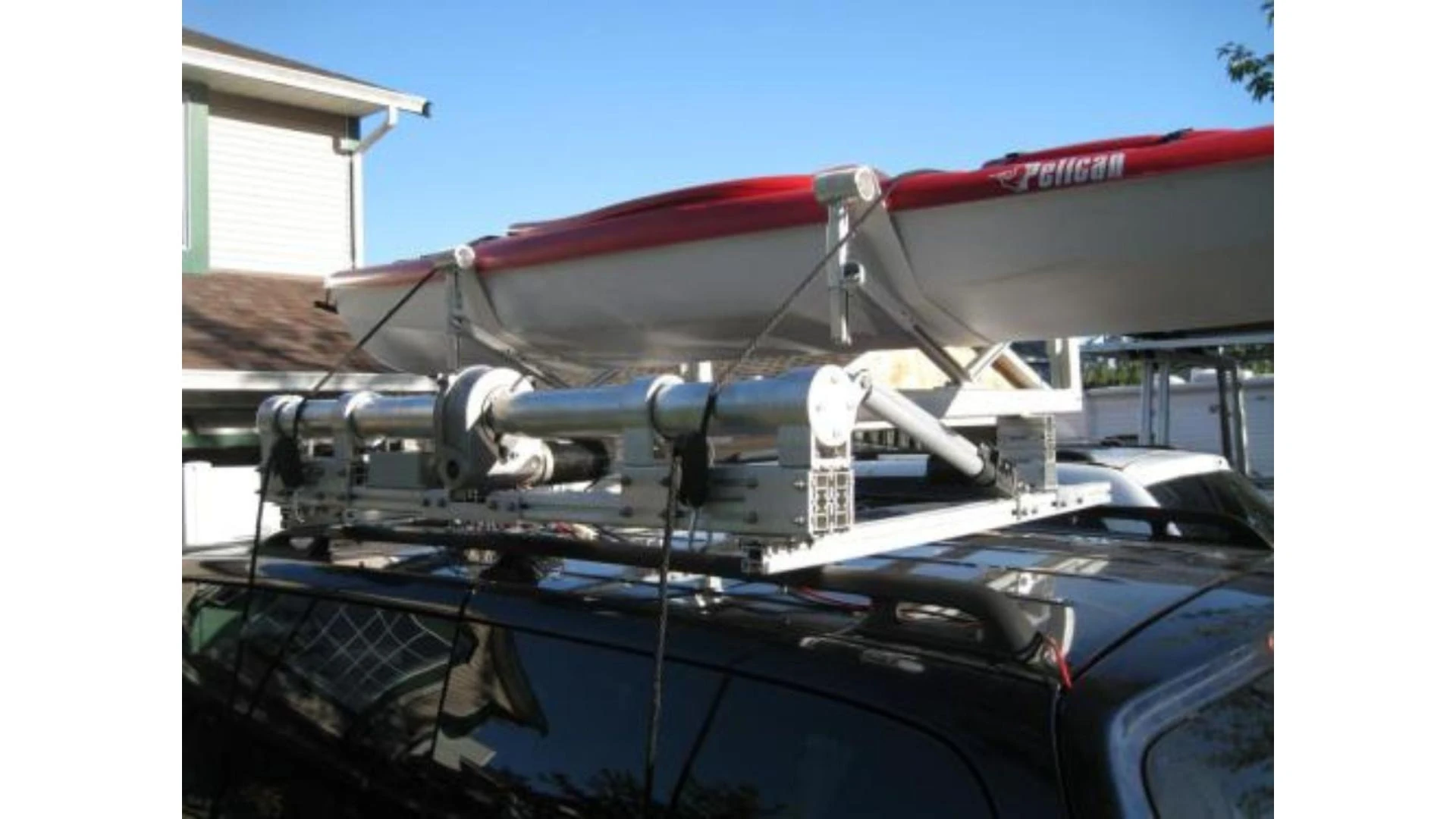
A canoe loader for truck is a specialized setup designed to assist with lifting and securing a canoe onto your vehicle. It often works alongside a truck bed cargo rack system or integrates into a broader cargo loading system. Instead of relying on manual lifting, these systems use mechanical assistance to improve efficiency and safety.
Features That Actually Improve Performance
Not all canoe loaders deliver the same level of performance. The following features are the ones that truly make a difference.
1. Assisted Lifting Technology
This is one of the most important features to look for.
Why it matters:
- Reduces physical strain
- Makes solo loading possible
- Improves control during lifting
Systems with gas struts, winches, or assisted lift mechanisms allow smooth and controlled movement, making the process much easier.
2. Integration with Truck Bed Cargo Rack System
A high-quality loader should work seamlessly with your truck bed cargo rack system.
Benefits include:
- Better weight distribution
- Efficient use of space
- Ability to carry additional gear
This integration enhances both functionality and overall vehicle organization.
3. Adjustable and Flexible Design
Canoes vary in size and shape, so flexibility is essential.
Key advantages:
- Supports different canoe dimensions
- Improves load stability
- Adapts to future equipment changes
An adjustable system ensures long-term usability and better performance across different scenarios.
4. Durable Materials and Build Quality
A reliable cargo loading system must withstand outdoor conditions.
Look for:
- Rust-resistant aluminum or coated steel
- Strong joints and mounting points
- Weather-resistant finishes
Durability directly impacts performance, especially for frequent travelers.
5. Smooth Sliding or Guided Loading System
A guided loading feature improves precision and safety.
Why this matters:
- Prevents scratches or damage
- Keeps the canoe aligned
- Reduces effort during positioning
This feature is especially helpful when loading alone or on uneven ground.
6. One-Person Operation
Modern systems are designed with independence in mind.
Benefits:
- No need for assistance
- Faster setup and removal
- Greater flexibility during trips
Many solutions inspired by companies like Load It Industries focus on making loading simple for a single user.
7. Secure Locking and Tie-Down Features
Safety during transport is critical.
Look for:
- Built-in locking mechanisms
- Multiple anchor points
- Anti-slip supports
These features ensure your canoe stays stable even on long or rough journeys.
8. Multi-Purpose Functionality
The best systems are not limited to just canoes.
They can also function as:
- A boat loader for pickup truck camper
- A carrier for kayaks or paddleboards
- A general outdoor gear solution
This versatility increases the overall value of your investment.
How a Cargo Loading System Improves Your Experience?
A well-designed cargo loading system enhances more than just loading efficiency.
- Saves Time
Faster loading means more time for your actual adventure.
- Improves Safety
Controlled mechanisms reduce risks of injury and damage.
- Enhances Organization
Integrated systems help keep your gear neatly arranged.
- Reduces Physical Stress
Less lifting means a more enjoyable travel experience.
Tips for Choosing the Right Canoe Loader
When selecting a canoe loader for truck, keep these factors in mind:
- Usage frequency: Frequent users benefit from advanced systems
- Vehicle compatibility: Ensure it fits your truck or camper setup
- Weight capacity: Match the loader to your canoe’s specifications
- Expandability: Choose systems that can handle additional gear in the future
Making an informed decision guarantees improved performance and long-term happiness.
Final Thoughts
Loading a canoe should be simple, safe, and efficient. The right canoe loader for truck eliminates the physical strain and complexity associated with traditional methods.
By focusing on features like assisted lifting, durable construction, compatibility with a truck bed cargo rack system, and multi-use capability as a boat loader for pickup truck camper, you can significantly improve both performance and convenience.
Innovative solutions, including those developed by Load It Industries, show how modern design can simplify outdoor travel. Investing in the right system allows you to focus less on loading and more on enjoying your journey.