A cancer diagnosis can bring many questions and concerns for patients and their families. One of the most common questions people ask is, “What does the cancer stage mean, and how does it affect treatment?”
Understanding cancer stages and treatment can help patients gain better awareness about their condition and make informed decisions about their healthcare journey.
Cancer staging is a method used to describe how much cancer has developed inside the body. It considers factors such as the size of the tumour, involvement of nearby tissues or lymph nodes, and whether cancer has spread to distant areas.
What Are Cancer Stages?
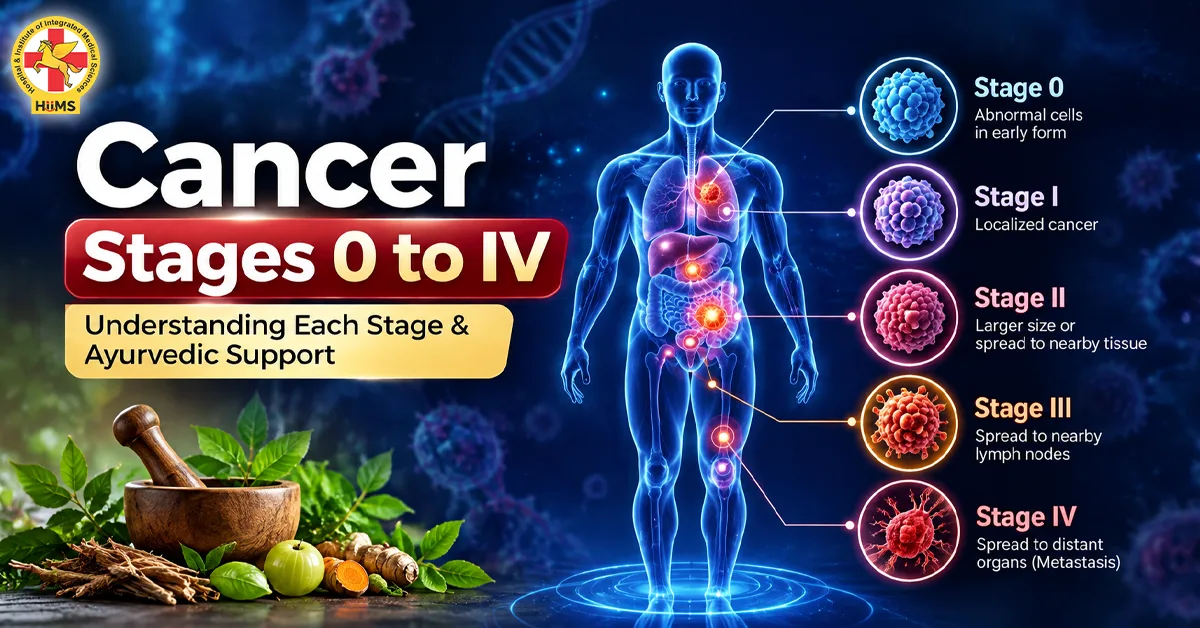
Cancer stages explain the extent and progression of cancer. Most solid tumours are classified into stages ranging from Stage 0 to Stage IV. The stage helps healthcare professionals understand the condition and plan an appropriate care approach.
The stages are generally described as:
Stage 0 Cancer: Early Cellular Changes
Stage 0 is considered the earliest stage where abnormal cells are present but have not spread into surrounding tissues. It is often referred to as carcinoma in situ.
At this stage, awareness and timely medical guidance can play an important role in monitoring and managing the condition.
Stage I Cancer: Localised Growth
Stage I usually indicates that cancer is present but remains limited to its original location. The tumour is often smaller compared to later stages, and there may not be significant spread.
Understanding cancer at this stage highlights the importance of early diagnosis and personalised care planning.
Stage II Cancer: Increased Tumour Growth
In Stage II, cancer may have grown larger and may involve nearby tissues depending on the cancer type. The exact meaning of this stage varies based on the location and characteristics of the cancer.
Every cancer type follows its own pattern of development, which is why individual evaluation is important.
Stage III Cancer: More Advanced Local Spread
Stage III generally indicates greater tumour growth or involvement of nearby lymph nodes. The condition may require a more detailed treatment and supportive care plan.
During this phase, maintaining physical strength, emotional balance, and overall wellness becomes an important part of the cancer journey.
Stage IV Cancer: Advanced Cancer Stage
Stage IV, also known as metastatic cancer, refers to cancer that has spread to distant parts of the body. The approach to care depends on multiple factors, including cancer type, overall health, and individual needs.
Patients and families often require emotional support, nutritional guidance, and lifestyle assistance along with professional healthcare advice.
How Cancer Stages Influence Treatment Planning
Cancer treatment decisions are based on several factors, including:
- Type of cancer
- Location of tumour
- Cancer stage
- Overall health condition
- Individual response to care
The same cancer stage may have different meanings for different cancer types. Therefore, personalised evaluation is important before deciding on any treatment approach.
A complete understanding of cancer stages and treatment helps patients communicate better with healthcare experts and understand their available options.
Importance of Supportive Care During the Cancer Journey
Cancer affects not only the body but also emotional well-being and daily lifestyle. Along with appropriate medical guidance, many people focus on supportive wellness practices that help maintain strength and quality of life.
Supportive care may include:
- Balanced nutrition
- Stress management practices
- Adequate rest and sleep
- Gentle physical activity as suitable
- Emotional and mental wellness support
Ayurveda focuses on maintaining balance in the body through personalised lifestyle practices, diet guidance, and holistic wellness approaches. Many patients explore Ayurveda as a supportive approach during their cancer journey while continuing appropriate medical supervision.
Why Understanding Cancer Stages Matters
Knowledge about cancer stages can help patients:
- Understand their diagnosis better
- Discuss care options confidently
- Prepare emotionally for the journey
- Focus on personalised wellness goals
Awareness is one of the most powerful tools in cancer care. Learning about cancer progression, early warning signs, and supportive approaches can encourage timely action.
Final Thoughts
Every cancer journey is unique. Understanding cancer stages and treatment helps patients and families become more aware of the condition and the importance of personalised care.
From Stage 0 to Stage IV, each stage provides information about cancer development and helps healthcare professionals plan suitable approaches. Along with expert guidance, maintaining a healthy lifestyle and focusing on overall wellbeing can support individuals throughout their journey.