Homeowners frequently look for clever ways to extend the lifespan of their daily maintenance supplies, especially when managing frequent seasonal upkeep. Exploring alternative handling methods for testing materials often leads to questions about whether small adjustments can reduce overall operational costs.
Evaluating water parameters is an essential weekly chore that requires consistency and reliable tools. Making informed choices about how to handle your maintenance inventory ensures that your aquatic environment remains safe, balanced, and inviting for relaxation and leisure activities throughout the entire swimming season.
Understanding the Design and Structure of Indicator Materials
Modern evaluation papers are engineered with precise chemical reagents bonded to specific areas of a flexible plastic backing. Each distinct pad corresponds to a particular chemical parameter, such as acidity, sanitizer levels, or total alkalinity.
Manufacturers calibrate these pads to react uniformly when exposed to a specific volume of water. Altering the physical dimensions of the material can unintentionally disrupt the chemical distribution and structural integrity necessary for a proper reaction.
- Reagent pads rely on exact surface area proportions to display accurate colorimetric shifts.
- Cutting the material manually can damage or detach the delicate chemical layers completely.
- Proper manufacturing ensures that each pad delivers a standardized response during routine checks.
The Risks of Compromising Precision During Water Monitoring
Attempting to stretch your supplies by dividing them into smaller pieces introduces significant room for error. When indicator pads become too narrow, matching the resulting color against a standard reference chart grows increasingly difficult.
Accurate chemical management depends entirely on clear, unambiguous visual feedback from your testing tools. Compromising on readability can lead to mismanaged water chemistry, causing discomfort or potential wear on your pool equipment over time.
- Narrower pads provide less visual surface area, making color comparison subjective and unreliable.
- Inconsistent sizing can lead to uneven chemical absorption across the reagent squares.
- Misreading your water parameters often results in improper adjustments and wasted corrective products.
Exploring Alternative Methods for Accurate Water Analysis
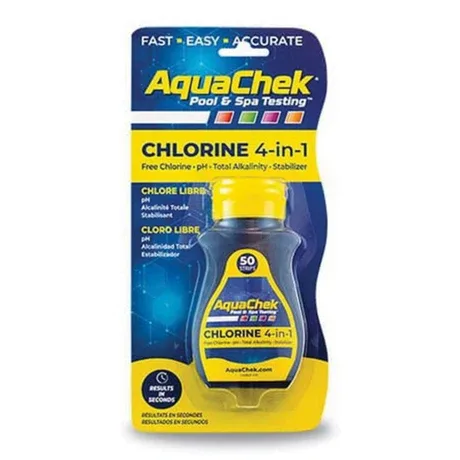
Finding reliable ways to manage your maintenance budget does not require compromising on evaluation accuracy. Many pool owners prefer utilizing a traditional pool test strips package because it offers an affordable and straightforward testing option right out of the box.
Alternatively, investing in bulk packages from reputable manufacturers provides a safer way to save money without altering the physical design of your supplies. Keeping your inventory properly stored ensures maximum longevity for every single piece.
- Standard packaging provides reliable, factory-cut dimensions designed for optimal readability.
- Purchasing bulk quantities often reduces the per-unit cost without sacrificing accuracy.
- Proper storage in cool, dry areas prevents premature degradation of unused inventory.
Evaluating Complete Testing Systems for Better Value
When looking for comprehensive ways to evaluate your backyard aquatic environment, considering alternative equipment types is often beneficial. Some homeowners prefer switching to a liquid reagent-based pool water test kit for detailed multi-parameter analysis.
Liquid systems offer a different approach to routine monitoring, often providing numerous tests per bottle. Evaluating your overall testing habits helps determine which method best fits your lifestyle and maintenance routine.
- Liquid reagents allow for drop-by-drop titration, offering a different style of precision.
- Comprehensive kits often include durable storage cases that protect reagents from environmental wear.
- Comparing different testing methods helps identify the most cost-effective long-term routine.
Proper Handling and Storage to Maximize Product Lifespan
Instead of modifying your testing materials physically, focusing on proper preservation techniques is a much more effective strategy. Exposure to humidity, direct sunlight, and heat are the primary causes of premature degradation in chemical indicators.
Keeping your container tightly sealed immediately after extracting a piece protects the remaining inventory from ambient moisture. Establishing good handling habits ensures every single piece performs at its absolute best.
- Store your testing container in a cool, shaded area away from splashing pool water.
- Always ensure the cap is sealed completely shut to block out humidity and air.
- Handle materials with clean, completely dry fingers to prevent accidental chemical contamination.
Establishing a Cost-Effective Routine for Seasonal Upkeep
Smart pool ownership is about finding a sustainable balance between quality care and efficient resource management. Setting up a predictable weekly testing schedule prevents emergency chemical overhauls, saving you both time and money in the long run.
Integrating these thoughtful habits into your routine fosters a smooth, stress-free ownership experience. A well-maintained oasis offers endless relaxation and enjoyment throughout the warm seasons without unnecessary financial strain.
- Plan your testing schedule consistently twice a week during peak swimming periods.
- Keep accurate records of your readings to optimize your chemical purchase quantities.
- Focus on preventive maintenance rather than reactive troubleshooting to lower overall costs.
Keeping Your Backyard Oasis Balanced All Season Long
Enjoying a pristine aquatic retreat requires balancing relaxation with attentive care and reliable equipment. By using your supplies as intended and avoiding risky modifications, you ensure a welcoming environment for family and friends.
For all your seasonal upkeep needs, trusted local providers like Ever-Klear Pool Supply offer expert guidance and quality products to keep your water pristine year-round.
- Combine regular skimming with consistent chemical monitoring for optimal water clarity.
- Consult local professionals whenever persistent water balance challenges arise unexpectedly.
- Prioritize reliable, unmodified supplies to protect the longevity of your pool ecosystem.
Frequently Asked Questions
- Can cutting pool testing papers in half save money?
While it may seem like a budget-friendly hack, cutting testing materials ruins their structural integrity and makes color matching extremely difficult, often leading to inaccurate readings and costly chemical mistakes.
- What happens to unused testing materials when exposed to humidity?
Moisture in the air reacts prematurely with the chemical reagents on the pads, causing them to discolor and render the entire batch inaccurate over time.
- How should I properly store my testing supplies?
Store your testing container in a cool, dry, and dark indoor location, ensuring the cap is tightly sealed right after each use to protect the reagents from heat and moisture.