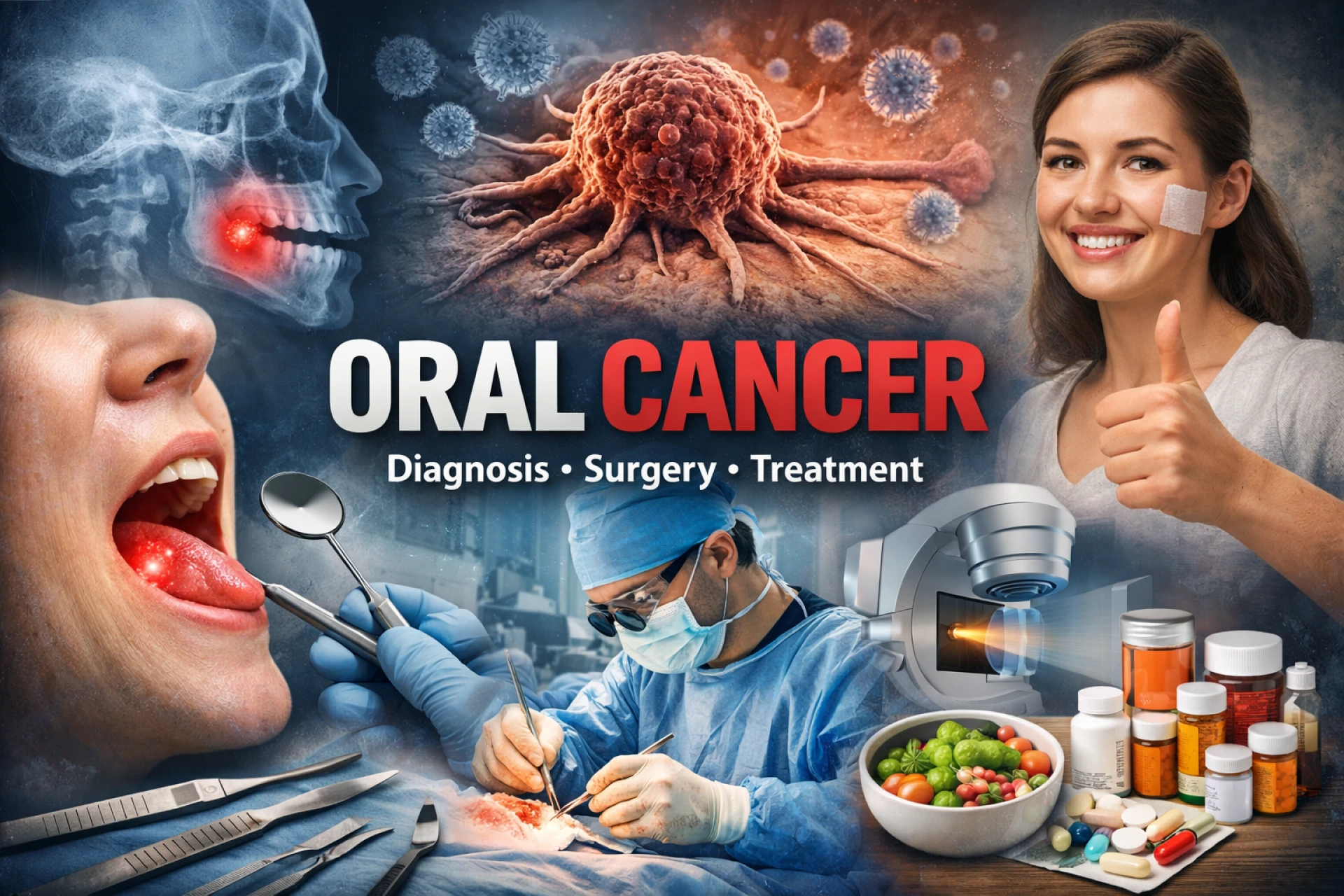
Oral cancer is a serious health condition that affects thousands of people every year. It develops in the tissues of the mouth, including the lips, tongue, gums, cheeks, floor of the mouth, and roof of the mouth. Because of the increasing awareness around cancer and lifestyle-related diseases, many people often ask an important question: Can stress cause oral cancer?
Stress is a common part of modern life, but there are many myths surrounding its connection to serious illnesses like cancer. Understanding what science actually says about stress and oral cancer can help people focus on real risk factors and preventive measures.
In this article, we will explore the myths and facts about stress and oral cancer, while also understanding the role of treatments such as oral cavity cancer surgery.
Understanding Oral Cancer
Oral cancer is a type of cancer that develops in the cells of the mouth. It usually begins when abnormal cells grow uncontrollably and form tumors. If not detected early, these cancer cells can spread to nearby tissues, lymph nodes, and other parts of the body.
Common areas where oral cancer develops include:
- Tongue
- Lips
- Gums
- Inner lining of cheeks
- Floor of the mouth
- Hard and soft palate
Early diagnosis significantly improves treatment success. Many patients diagnosed in early stages respond well to treatments like oral cavity cancer surgery, radiation therapy, or chemotherapy.
Myth: Stress Directly Causes Oral Cancer
One of the most common misconceptions is that stress directly causes oral cancer. However, according to current medical research, there is no clear scientific evidence proving that stress alone causes oral cancer.
Cancer develops due to complex biological changes in cells. These changes are usually triggered by known risk factors such as:
- Tobacco use (smoking or chewing tobacco)
- Excessive alcohol consumption
- Human Papillomavirus (HPV) infection
- Long-term exposure to sunlight (especially for lip cancer)
- Poor oral hygiene
- Genetic factors
- A weakened immune system
Stress by itself is not considered a direct cause of oral cancer.
Fact: Stress Can Indirectly Increase Risk
While stress does not directly cause oral cancer, it can still play an indirect role in increasing cancer risk.
When people experience long-term stress, they may develop unhealthy coping habits such as:
- Increased smoking
- Chewing tobacco
- Excessive alcohol consumption
- Poor diet
- Lack of proper sleep
- Neglecting oral hygiene
These behaviors are known risk factors for oral cancer. In this way, stress may indirectly contribute to conditions that increase the likelihood of developing the disease.
How Stress Affects the Immune System
Another important aspect to understand is how stress impacts the body’s immune system.
Chronic stress can weaken immune function. When the immune system becomes less effective, the body may find it harder to detect and destroy abnormal cells at an early stage.
Although this does not mean stress causes cancer, a weakened immune system can make it more difficult for the body to fight infections and abnormal cellular growth.
Maintaining a healthy lifestyle and managing stress levels can therefore support overall health and potentially reduce disease risks.
Common Symptoms of Oral Cancer
Recognizing the early symptoms of oral cancer can help in timely diagnosis and treatment. Some common warning signs include:
- Persistent mouth sores that do not heal
- Red or white patches inside the mouth
- Difficulty chewing or swallowing
- Persistent mouth pain
- A lump or thickening in the cheek
- Loose teeth without dental cause
- Numbness in the tongue or mouth
- Changes in voice or speech
If these symptoms last for more than two weeks, it is important to consult a healthcare professional for evaluation.
Importance of Early Diagnosis
Early detection is one of the most important factors in improving survival rates for oral cancer. Regular dental check-ups and oral screenings can help identify suspicious lesions before they become serious.
Doctors may use several diagnostic methods such as:
- Physical examination of the mouth
- Biopsy of suspicious tissue
- Imaging tests like CT scans or MRI
- Endoscopy to examine deeper tissues
Once diagnosed, the treatment plan depends on the stage, location, and spread of the cancer.
Treatment Options for Oral Cancer
Treatment for oral cancer usually involves a combination of therapies depending on the stage of the disease.
1. Oral Cavity Cancer Surgery
One of the most common and effective treatments is oral cavity cancer surgery. In this procedure, surgeons remove the cancerous tissue along with a margin of healthy tissue to ensure complete removal.
Depending on the size and location of the tumor, surgery may involve:
- Removal of the tumor
- Reconstruction of affected tissues
- Removal of nearby lymph nodes if cancer has spread
In advanced cases, reconstructive surgery may be performed to restore appearance and function, including speech and swallowing.
2. Radiation Therapy
Radiation therapy uses high-energy rays to destroy cancer cells. It is often used:
- After surgery to eliminate remaining cancer cells
- As a primary treatment in some early-stage cancers
- In combination with chemotherapy for advanced cases
3. Chemotherapy
Chemotherapy uses powerful drugs to kill cancer cells or stop them from growing. It is often combined with radiation therapy in advanced cases of oral cancer.
4. Targeted Therapy and Immunotherapy
Modern cancer treatments also include targeted therapies that attack specific molecules involved in cancer growth. Immunotherapy helps the body’s immune system recognize and fight cancer cells more effectively.
Managing Stress for Better Health
Even though stress is not a direct cause of oral cancer, managing stress is still important for maintaining overall health.
Some effective ways to reduce stress include:
- Regular physical exercise
- Meditation and mindfulness practices
- Getting adequate sleep
- Maintaining a balanced diet
- Talking to friends, family, or mental health professionals
- Limiting tobacco and alcohol use
Healthy lifestyle habits not only reduce stress but also help lower the risk of many diseases, including cancer.
Preventing Oral Cancer
While not all cases of oral cancer can be prevented, certain lifestyle changes can significantly reduce risk.
Key preventive measures include:
- Avoiding tobacco in all forms
- Limiting alcohol consumption
- Maintaining good oral hygiene
- Visiting a dentist regularly for oral exams
- Protecting lips from excessive sun exposure
- Eating a healthy diet rich in fruits and vegetables
- Getting vaccinated for HPV where recommended
Awareness and early screening remain crucial in detecting oral cancer at an early stage.
Final Thoughts
The idea that stress directly causes oral cancer is a common myth. Scientific evidence does not support stress as a direct cause of the disease. However, chronic stress may indirectly increase risk by encouraging unhealthy habits such as smoking, alcohol use, or poor lifestyle choices.
Understanding the real risk factors is essential for prevention and early detection. If diagnosed early, treatments such as oral cavity cancer surgery, radiation therapy, and chemotherapy can be highly effective in managing the disease.
Focusing on a healthy lifestyle, regular medical check-ups, and stress management can go a long way in protecting both oral and overall health.