
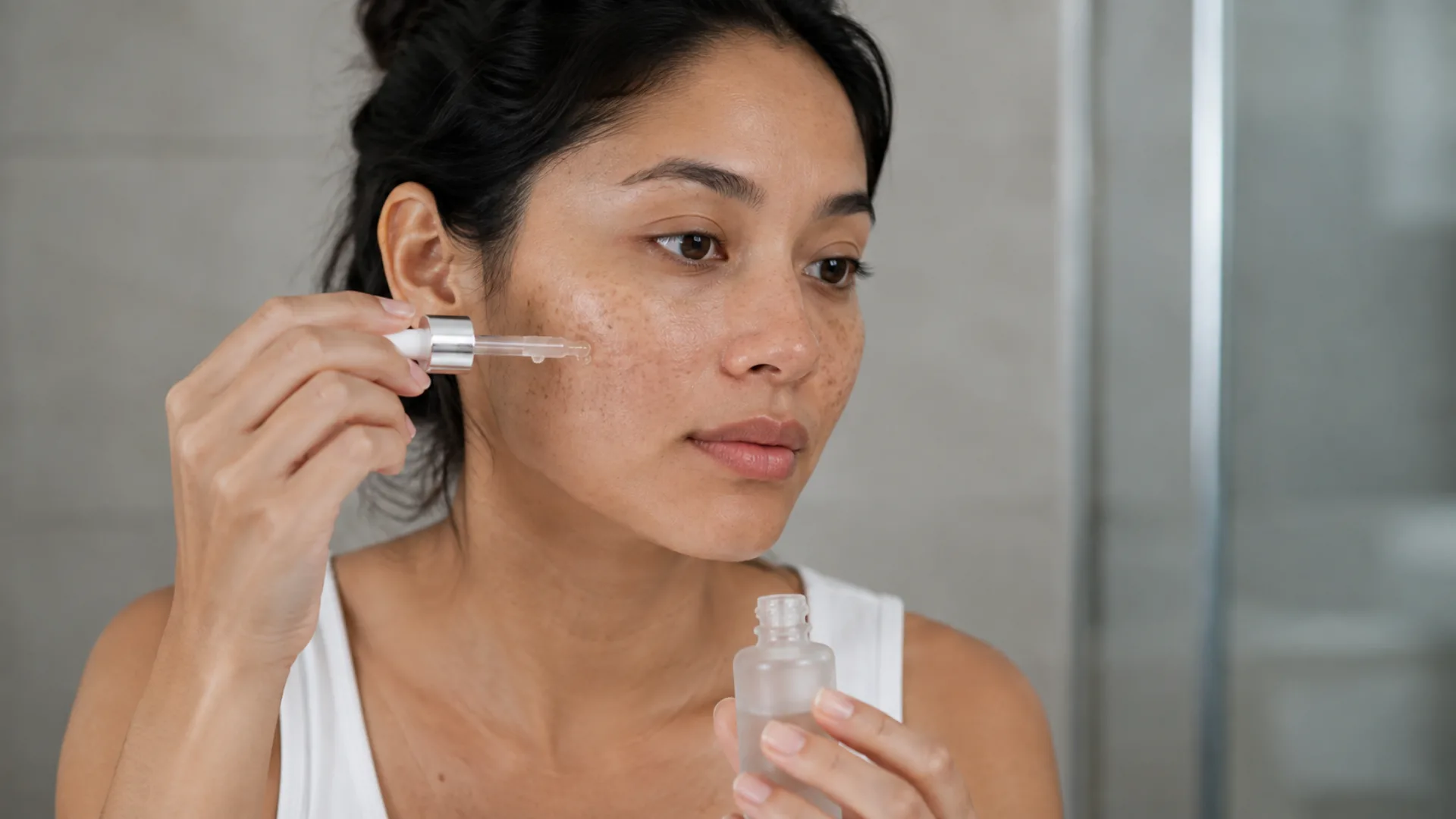
Dark spots can appear after a breakout, prolonged sun exposure, or hormonal changes. They may fade gradually, but some can remain visible for months. This often leaves people wondering whether skincare can actually make a difference.
The answer is yes. A consistent hyperpigmentation skincare routine can help improve the appearance of discoloration and create a more even-looking complexion. The key is understanding what causes pigmentation and choosing ingredients that target it without irritating your skin.
From post-acne marks to sun-related discoloration, the right routine can support gradual, visible improvement.
What Causes Hyperpigmentation and Dark Spots?
Hyperpigmentation occurs when the skin produces excess melanin, the pigment responsible for skin color. This can happen for several reasons.
Common triggers include:
- UV exposure
- Acne and inflammation
- Hormonal changes
- Skin injuries or irritation
- Certain medications
- Natural aging
Sun exposure is particularly important. UV radiation can stimulate melanin production and make existing discoloration look darker.
Inflammation can also leave pigmentation behind after a blemish has healed. These marks are often called post-inflammatory hyperpigmentation.
Can Skincare Really Improve Hyperpigmentation?
Skincare cannot change your natural skin color, but it can help reduce the appearance of excess pigmentation over time.
Certain ingredients work by encouraging skin cell turnover, helping brighten the appearance of discoloration, or reducing pathways involved in excess pigment production.
A well-planned pigmentation skincare routine typically combines targeted ingredients with daily sun protection.
Results are rarely immediate. Pigmentation develops over time, so fading it also requires patience and consistency.
Which Ingredients Help With Dark Spots?
Different ingredients address pigmentation in different ways. Choosing the right combination can make your routine more effective.
Vitamin C
Vitamin C is an antioxidant that helps protect skin from environmental stressors. It can also support a brighter, more even-looking complexion. It works particularly well during the day when paired with sunscreen.
Niacinamide
Niacinamide is a versatile skincare ingredient that can help improve the appearance of uneven tone. It also supports the skin barrier, making it useful when building a pigmentation-focused routine.
Retinol
Retinol encourages skin cell turnover and can help improve the appearance of uneven tone and texture. Start gradually, especially if you are new to retinoids.
Exfoliating Acids
Alpha hydroxy acids, such as glycolic acid, help exfoliate the skin's surface. This can improve dullness and uneven texture while supporting a smoother-looking complexion.
However, over-exfoliating can irritate. Irritation may make discoloration more noticeable, so moderation matters.
What About Post-Acne Marks?
A blemish may disappear, but the discoloration it leaves behind can remain. These post-acne marks are often caused by inflammation following a breakout. They can appear red, pink, brown, or darker depending on your skin tone and the type of inflammation involved.
A targeted routine can gradually improve their appearance. Gentle cleansing, appropriate exfoliation, brightening ingredients, moisturizer, and sunscreen can all play a role.
If you are specifically looking for an acne marks treatment, focus on preventing new breakouts while addressing existing discoloration. Otherwise, new blemishes can continue creating additional marks.
What Is the Best Approach to Melasma?
Melasma is a form of pigmentation that often appears as larger, irregular patches, commonly on the cheeks, forehead, nose, or upper lip. Hormonal changes and UV exposure can contribute to melasma. Heat and visible light may also influence pigmentation in some people.
Because melasma can be persistent, a consistent melasma skincare routine should prioritize prevention and gentle treatment. Daily broad-spectrum sunscreen is essential. A dermatologist may also recommend additional treatment options when over-the-counter skincare is not enough.
How Does Sunscreen Help Prevent Dark Spots?
You can use several brightening ingredients and still struggle with pigmentation if you skip sunscreen. UV exposure can stimulate melanin production and darken existing discoloration. Daily broad-spectrum SPF helps protect your skin from this exposure.
For anyone dealing with dark spots, Singapore weather can make prevention especially important. Strong sunlight and outdoor exposure can contribute to recurring pigmentation. Make sunscreen the final step of your morning skincare routine. Reapply when spending extended time outdoors.
Can You Treat Uneven Skin Tone at Home?
Yes. Many pigmentation concerns can be addressed with a consistent home routine.
A simple approach may include:
- Gentle cleanser
- Targeted brightening serum
- Appropriate exfoliant or retinoid
- Moisturizer
- Broad-spectrum sunscreen
You do not need to use every active ingredient at once. Introducing several strong products together can increase irritation. Instead, add one new active at a time. Give your skin enough time to adjust before adding another.
When Should You Consider Professional Treatment?
Skincare can help with mild to moderate discoloration, but persistent or complex pigmentation may need professional assessment. A dermatologist can determine whether you are dealing with melasma, post-inflammatory hyperpigmentation, sun spots, or another condition.
Depending on the cause, professional pigmentation treatment may include prescription products, chemical peels, or selected in-office procedures. The right treatment depends on your skin type, pigmentation pattern, medical history, and risk of post-inflammatory pigmentation.
How Long Does It Take to See Results?
Pigmentation rarely disappears overnight. Some dark spots may become less noticeable within several weeks, while stubborn discoloration can take considerably longer. The timeline depends on the cause, depth of pigmentation, skin type, and consistency of your routine.
Avoid constantly switching products because you are not seeing immediate results. Give targeted skincare enough time to work.
The Bottom Line
Skincare can make a meaningful difference in the appearance of hyperpigmentation and dark spots. A consistent routine with targeted ingredients, moisturizer, and daily sunscreen can support a more even-looking complexion.
Be patient with results, avoid excessive exfoliation, and consider professional advice for persistent or recurring pigmentation concerns.