
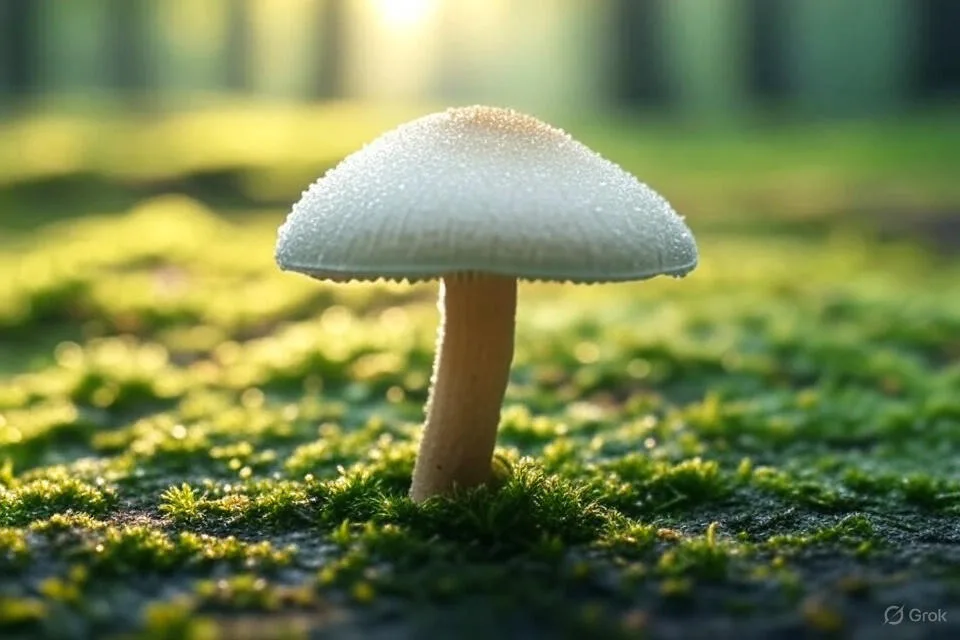
Depression can affect a person's mood, thoughts, energy levels, and everyday activities. Researchers continue to explore new approaches that may support mental well-being, and psilocybin has become an interesting subject in modern mental health research. Psilocybin is a naturally occurring psychedelic compound found in certain mushrooms. Recent studies have explored its potential role in supporting people experiencing depression, particularly when combined with professional psychological support.
Understanding Psilocybin and Its Connection to Depression
Psilocybin works by interacting with serotonin receptors in the brain, especially the 5-HT2A receptor. Serotonin plays an important role in regulating mood, emotions, and several mental processes. Researchers are studying how this interaction may influence emotional experiences, thought patterns, and brain activity.
One area of interest is the possibility that psilocybin-assisted therapy may help people approach difficult emotions from a different perspective. Researchers are exploring whether these experiences could support positive changes in mood and emotional well-being.
What Do Current Studies Say?
Several clinical studies have investigated psilocybin-assisted therapy as a potential approach to depression. Findings have encouraged further research into its possible benefits.
A clinical trial published in The New England Journal of Medicine in 2021 examined psilocybin therapy in people with major depressive disorder. Researchers observed improvements in depressive symptoms among participants receiving psilocybin treatment.
Another important study published in JAMA in 2023 explored the effects of psilocybin-assisted therapy in adults with major depressive disorder. The findings showed that participants receiving psilocybin experienced a reduction in depressive symptoms, supporting continued investigation of this treatment approach.
These findings have increased scientific interest in understanding how psychedelic-assisted treatments may contribute to mental health care.
Potential Benefits of Psilocybin-Assisted Therapy
Researchers are exploring several promising areas related to psilocybin and depression.
1. Supporting Emotional Awareness
Psilocybin-assisted therapy may help participants explore their emotions and personal experiences in a supportive therapeutic setting. Greater emotional awareness could help individuals understand their feelings and develop healthier ways of responding to challenging situations.
2. Encouraging Positive Thought Patterns
Depression can sometimes involve repetitive negative thinking. Researchers are investigating whether psilocybin may help people become more open to different perspectives and less attached to unhelpful thought patterns.
3. Improving Mood and Emotional Well-Being
Clinical research has reported reductions in depression symptoms following supervised psilocybin-assisted therapy. These findings suggest that the treatment may have potential as an additional approach within mental health care.
4. Supporting Psychological Flexibility
Psychological flexibility refers to the ability to adapt to different situations, thoughts, and emotions. Some researchers believe psilocybin-assisted therapy may encourage greater flexibility, helping individuals approach personal challenges with a fresh perspective.
How Psilocybin May Influence Brain Activity
Another interesting area of research involves brain connectivity. Scientists are examining how psilocybin may temporarily influence communication between different brain regions.
Some studies suggest that psilocybin can increase communication between brain networks that do not usually interact as frequently. This has encouraged researchers to investigate whether changes in brain connectivity could help explain improvements in mood, emotional processing, and mental flexibility.
These findings offer valuable opportunities to understand depression and develop new therapeutic approaches.
What Does the Latest Research Suggest?
A 2025 systematic review and meta-analysis published in Acta Psychiatrica Scandinavica examined six randomised controlled trials involving 427 participants. The findings showed that psilocybin-assisted therapy was associated with greater reductions in depressive symptoms than comparison treatments.
PubMed
Further encouraging evidence appeared in a 2026 review published in Nature Mental Health. It analysed 15 randomised controlled trials involving 801 participants and found an overall reduction in depression scores among people receiving psilocybin treatment compared with control groups.
Nature
Together, these findings highlight why psilocybin remains an important subject of scientific investigation.
The Future of Psilocybin Research
Research into psilocybin and depression is continuing to develop. Scientists are exploring treatment approaches, psychological support methods, brain activity, and the duration of potential benefits.
Future studies may help identify which individuals could benefit most from psilocybin-assisted therapy and how it could be incorporated into professional mental health care. Larger clinical trials and long-term research will also help establish its effectiveness and safety.
It is important to understand that psilocybin is not an established or approved depression treatment in many countries. Clinical research involves carefully selected participants, controlled settings, and professional supervision. Anyone experiencing depression should consult a qualified mental health professional rather than attempting self-treatment.
Conclusion
Psilocybin has attracted growing scientific interest because of its potential to support people experiencing depression. Clinical studies have reported encouraging improvements in depressive symptoms, emotional awareness, and psychological flexibility when it is used in supervised therapeutic settings. Although further research is needed, these findings offer an exciting opportunity for scientists to explore new approaches to mental health care and improve future treatment options.